

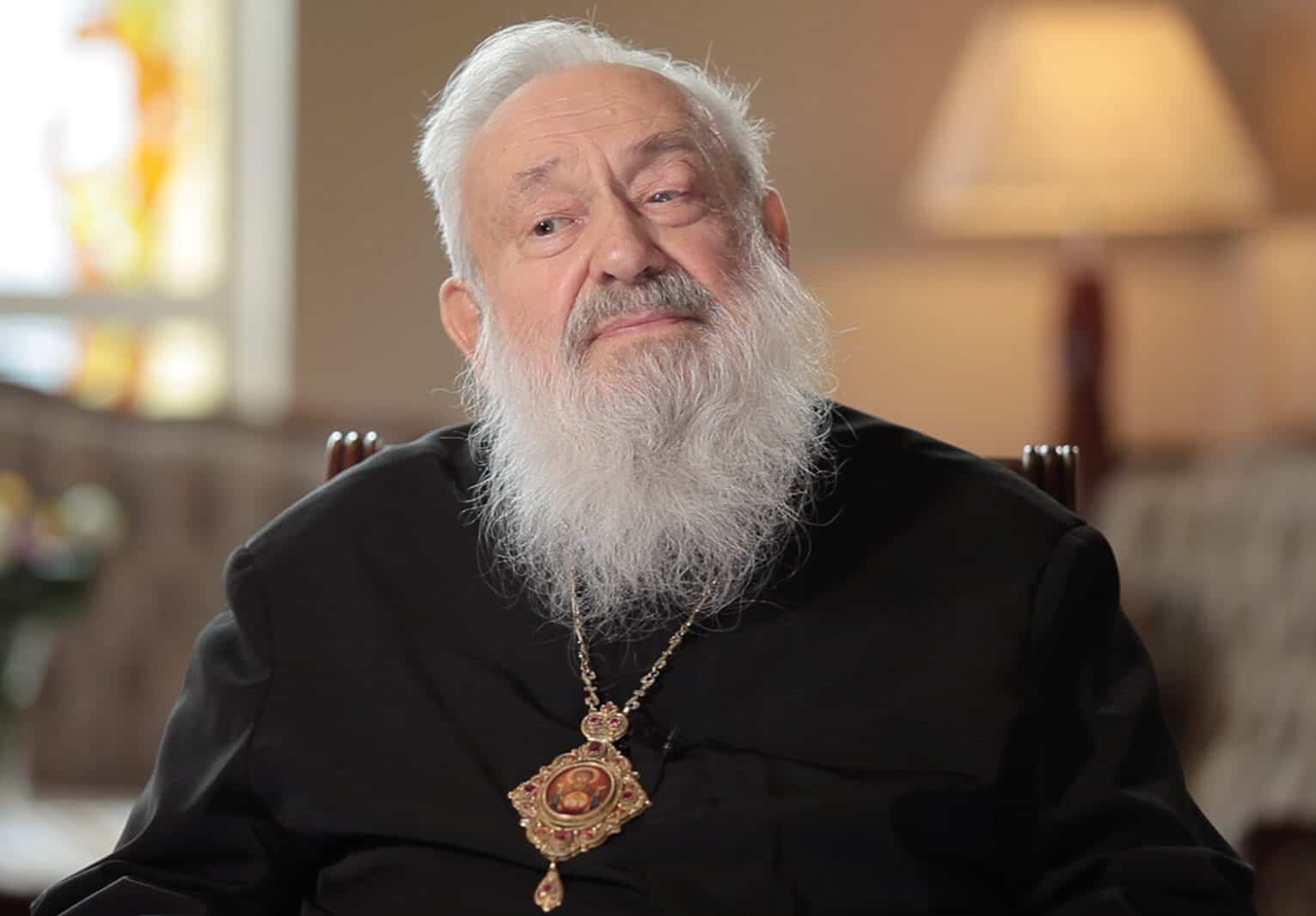
- Діяльність: Релігія
- Дата народження: 26 лютого 1933 року, Львів
- Дата смерті: 31 травня 2017 року, Київ
- Навігатор: Сучасність
Український релігійний діяч, патріарх-предстоятель Української греко-католицької церкви. Священник, єпископ, кардинал Католицької церкви. Верховний архієпископ Львівський, Києво-Галицький, архієпископ-емерит.
Ніхто не був таким близьким Україні. І — парадоксально — ніхто водночас не був таким чужим.
Родина з довгим списком українських священників у родоводі, шляхетське виховання, блискуча американська освіта. Але ще важливіше — його вибір служіння Україні, якого він притримувався все життя. Один із його друзів студентських часів, розповідаючи про зустрічі й тривалі розмови з ним у Вашингтоні в 1950–1970-х роках, згадував: «Я не памʼятаю вже, про що ми тоді говорили, але все, що ми говорили, було про Україну».
Біля нього було відчуття, ніби стоїш у самому центрі України, ніби ось тут її стрижень, її культурний код. Загальні фрази, зарозумілі слова, пафос — усе це поруч із Патріархом ставало безглуздим. Із ним важила лише суть. Здавалося, він бачить співрозмовника до самих глибин. Але цей його погляд в іншого був сповнений любові, від якої випростовувалась спина і зʼявлялася впевненість, що ти — хтось, що ти щось важиш.
Він міг би жити спокійним омріяним життям монаха в Італії або Канаді й допомагати Україні звідти. Але не зміг. Уже немолодим приїхав у дику дезорієнтовану пострадянську країну з її бідністю, відключеннями світла, дефіцитом і моральною дезорієнтацією. Щоб у простій сільській хаті разом із іншими монахами жити українським життям, молитись і підтримувати тих, хто поруч. Бувши єпископом, упродовж 19 років діяв як простий священник. Скромно, без пафосу і жесту.
Доля не дала йому бути в тіні. І він прийняв цей виклик із гідністю, очоливши церкву у складні часи політичної нестабільності й міжцерковних непорозумінь. Легко й елегантно робив складні вибори, які відчиняли двері та дозволяли відбутися великим подіям.
А водночас він залишався чужинцем. Патріарх відчув це, щойно приїхавши в Україну на початку 1990-х. Він був не потрібен усе ще радянській, корумпованій, дрібʼязковій Україні, яку так любив і яка не хотіла чути того, кого американський журналіст і письменник Джон Аллен назвав однією з найбільших постатей світу другої половини ХХ століття.
У житті Патріарха можна знайти відповіді майже на всі запитання, які українець може поставити світу. Найбільший моральний авторитет часів незалежності, він уособлював ту ідеальну Україну, яка колись, вірив, стане дійсністю. Саме їй він служив. Досі чую його слова, якими він зазвичай зустрічав відвідувачів: «Чим я можу послужити, прошу!»
Знайомство з ним — це шанс для країни стати кращою, здійснити чудо переродження. І коли це станеться, тоді Патріарх Гузар нарешті перестане бути чужим, а стане тим, ким був і є насправді — рідним.
Автор: Леся Харченко
Короткі висновки
- Діяч і реформатор — став не просто церковним лідером, а діячем, який глибоко вплинув на духовний та суспільний розвиток України.
- Законодавець — не був законадавцем у прямому сенсі, але був великим моральним авторитетом, який впливав на суспільство через духовне лідерство.
- Будівничий і меценат — сприймав меценатство як ключовий інструмент для розвитку незалежного українського суспільства, особливо в сферах освіти та духовності, активно сприяв залученню меценатів до розвитку Українського католицького університету.
- Церковна політика — переніс престол УГКЦ зі Львова до Києва, роблячи церкву національною та стираючи асоціації лише із Західною Україною. Сприяв примиренню та налагодженню добрих стосунків різних гілок християнства в Україні, особливо з православними.
- Спадщина — заклав фундамент сучасного, духовного та суспільного життя України, що включило: реформування церкви, інтелектуальну працю та моральні орієнтири для нації.
Редакція «Порталу»
Lyubomyr Huzar
Activity: Religion
Date of Birth: February 26, 1933, Lviv
Date of Death: May 31, 2017, Kyiv
Navigator: Modern Era
Ukrainian religious leader, Patriarch and Head of the Ukrainian Greek Catholic Church. Priest, bishop, and cardinal of the Catholic Church. Major Archbishop of Lviv, Kyiv-Halych, Archbishop-Emeritus.
No one was as close to Ukraine. And—paradoxically—no one was at the same time so distant.
A family with a long lineage of Ukrainian priests, a noble upbringing, and a brilliant American education. Yet even more important was his choice to serve Ukraine, to which he remained faithful throughout his life. One of his friends from his student years, recalling their meetings and long conversations in Washington in the 1950s–1970s, said: “I no longer remember what we talked about then, but everything we talked about was about Ukraine.”
Being near him, one had the feeling of standing at the very center of Ukraine, as if its core, its cultural code, was right there. General phrases, pretentious words, pathos—all of it became meaningless in the presence of the Patriarch. With him, only essence mattered. It seemed he could see into the deepest parts of his interlocutor. Yet his gaze toward others was filled with love, from which one’s back would straighten and a sense of confidence would emerge—that you are someone, that you matter.
He could have lived a calm, dream-like life as a monk in Italy or Canada and helped Ukraine from afar. But he could not. Already no longer young, he came to a wild, disoriented post-Soviet country with its poverty, power outages, shortages, and moral confusion. To live in a simple rural house together with other monks, to share in Ukrainian life, to pray and support those around him. Being a bishop, for 19 years he acted as a simple priest—modestly, without pathos or grand gestures.
Fate did not allow him to remain in the shadows. And he accepted this challenge with dignity, leading the Church in difficult times of political instability and interchurch misunderstandings. With ease and elegance, he made difficult decisions that opened doors and allowed great events to take place.
At the same time, he remained a stranger. The Patriarch felt this as soon as he arrived in Ukraine in the early 1990s. He was not needed by a still Soviet, corrupt, petty Ukraine—the one he loved so much, and which did not want to hear the man whom American journalist and writer John Allen called one of the greatest figures of the second half of the twentieth century.
In the life of the Patriarch, one can find answers to almost all the questions a Ukrainian might ask the world. The greatest moral authority of the years of independence, he embodied that ideal Ukraine which, he believed, would one day become reality. It was to her that he served. I still hear his words, with which he usually greeted visitors: “How may I serve you?”
Meeting him was a chance for the country to become better, to accomplish the miracle of rebirth. And when that happens, Patriarch Huzar will finally cease to be a stranger and will become who he truly was and is—a native, one of our own.
Author: Lesia Kharchenko
Brief conclusions
Figure and reformer — became not just a church leader, but a figure who profoundly influenced the spiritual and social development of Ukraine.
Lawmaker — not a lawmaker in the literal sense, but a great moral authority who influenced society through spiritual leadership.
Builder and patron — viewed philanthropy as a key instrument for developing an independent Ukrainian society, especially in education and spirituality; actively encouraged patronage for the development of the Ukrainian Catholic University.
Church policy — moved the seat of the Ukrainian Greek Catholic Church from Lviv to Kyiv, making it national and removing its association solely with Western Ukraine; promoted reconciliation and good relations among different branches of Christianity in Ukraine, especially with the Orthodox Church.
Legacy — laid the foundation for modern spiritual and social life in Ukraine, including church reform, intellectual work, and moral guidance for the nation.
Portal Editorial Team
Пов’язані матеріали

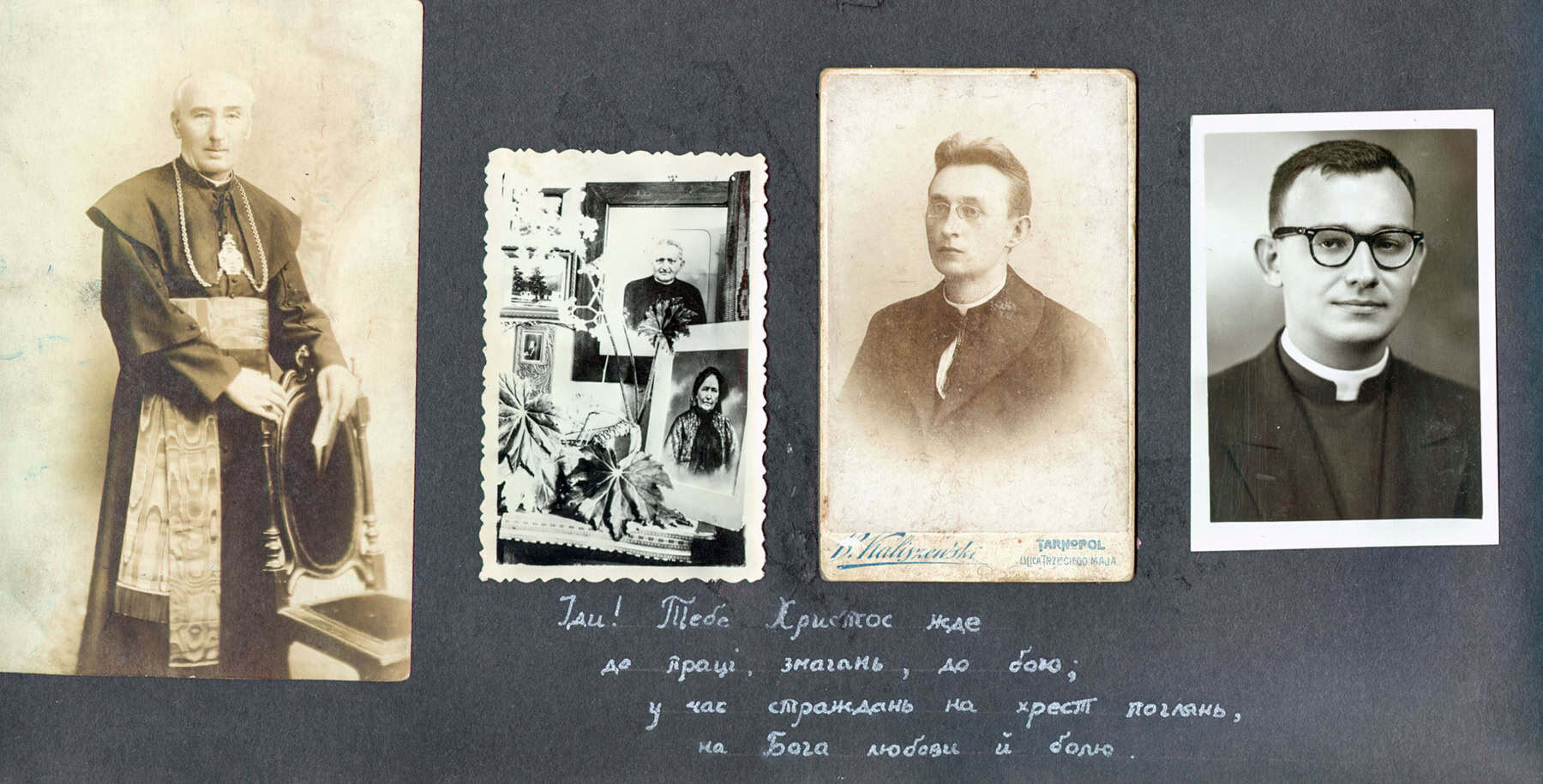
Сторінка, з якої починається особистий фотоальбом Любомира Гузара. На фото: ( зліва направо) отець Дмитро Гузар ( парох с. Завалів) ; отець Йосиф Билинкевич ( парох с. Рукомиш) і його дружина Елеонора; отець Лука Демчук ( парох с. Кальне) ; отець Любомир Гузар
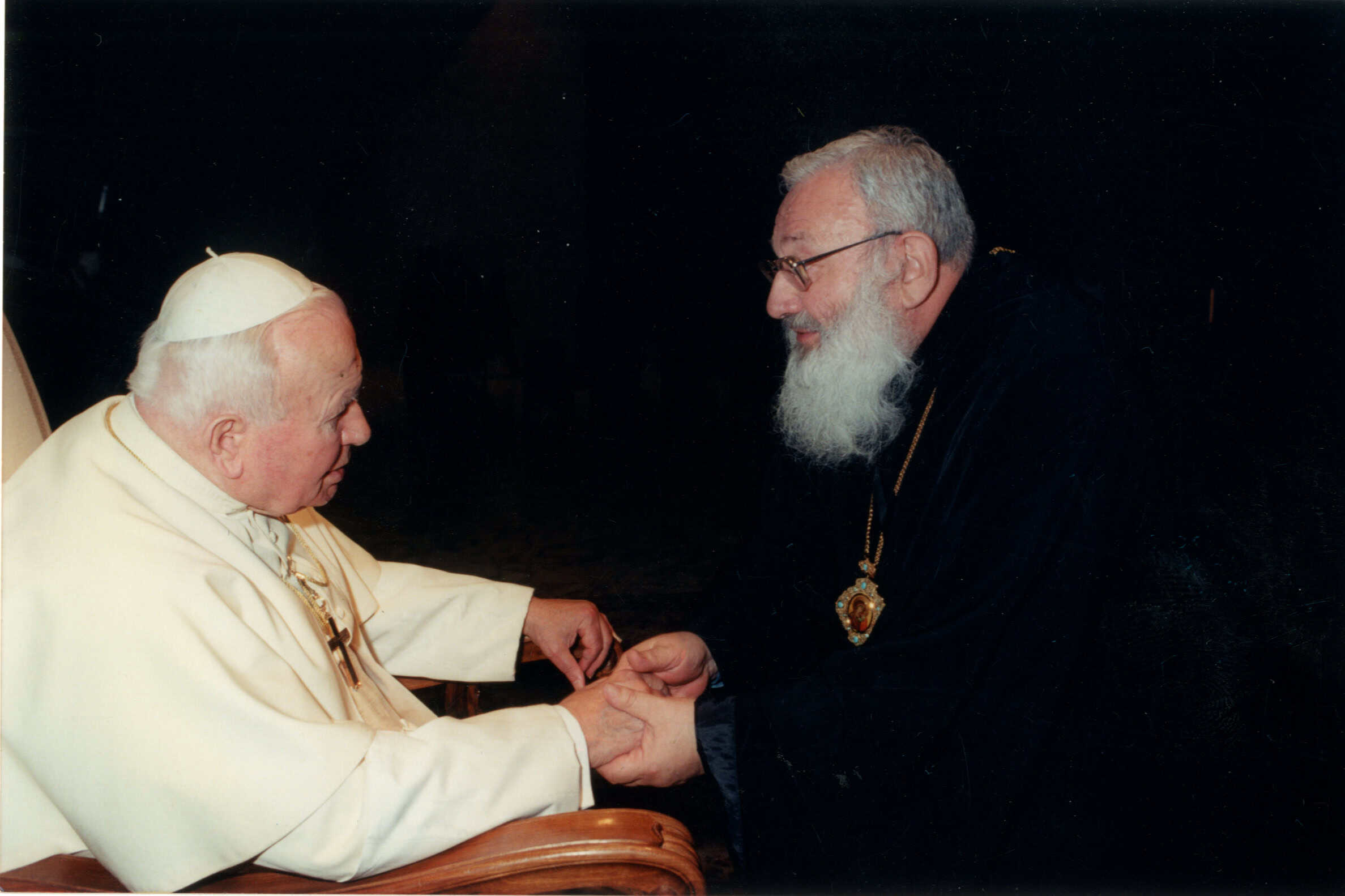
Папа Римський Іван Павло ІІ і владика Любомир Гузар, фото 2000 року, м. Київ
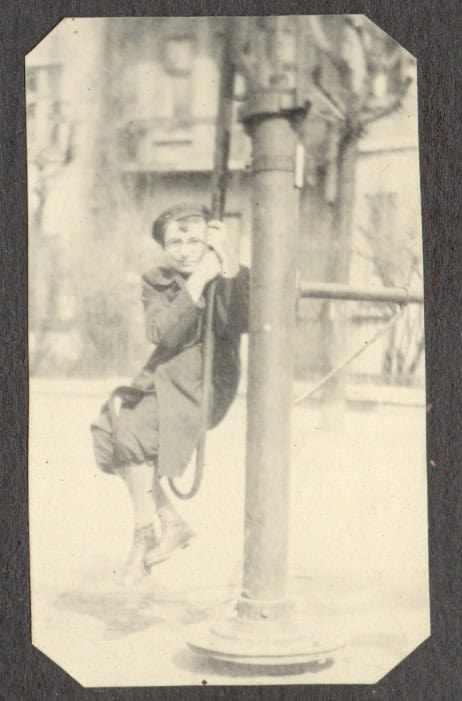
Любомир Гузар гойдається біля стовпа, Львів, фото 1942 року
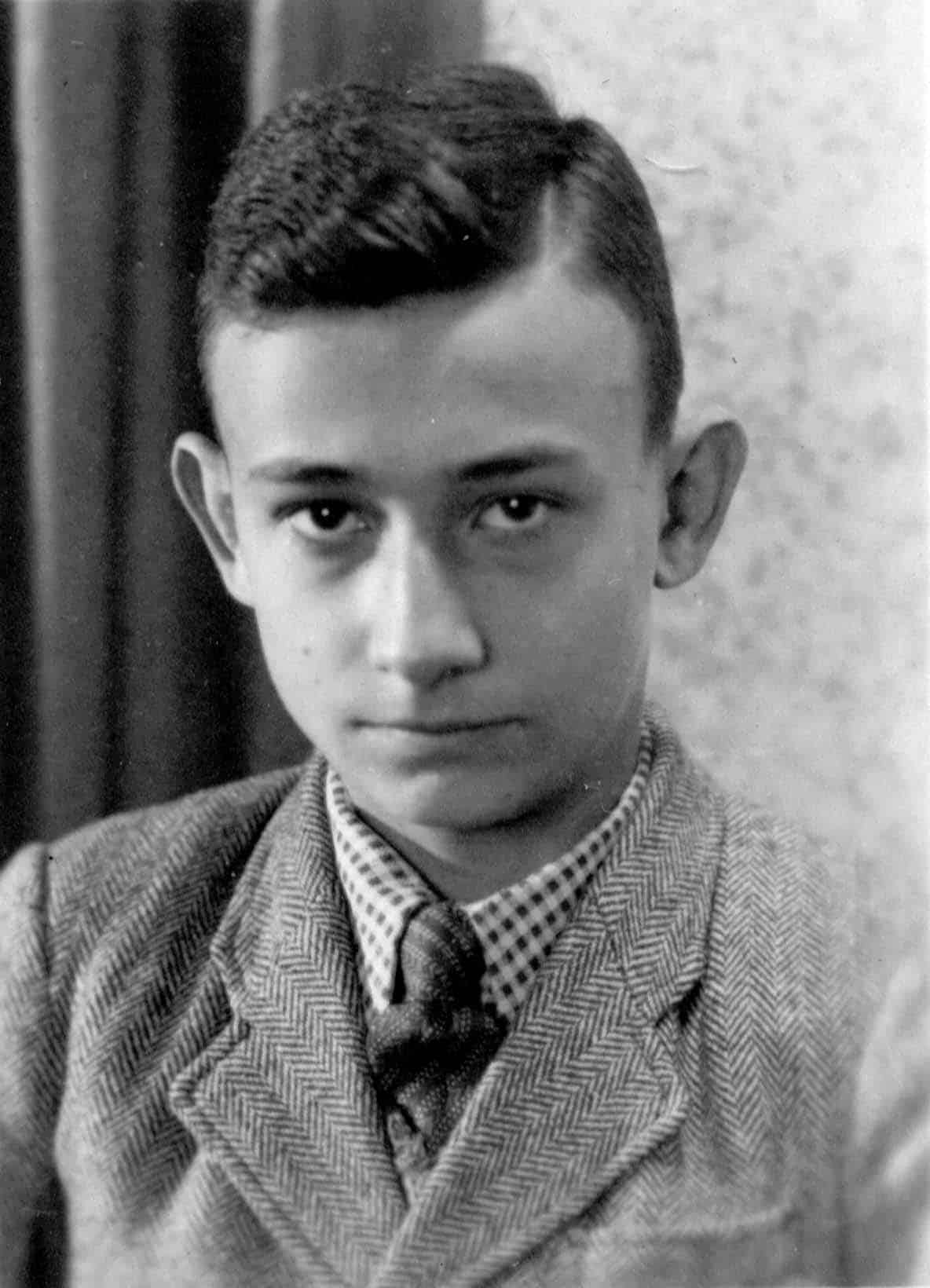
Любомир Гузар, фото 1947 року
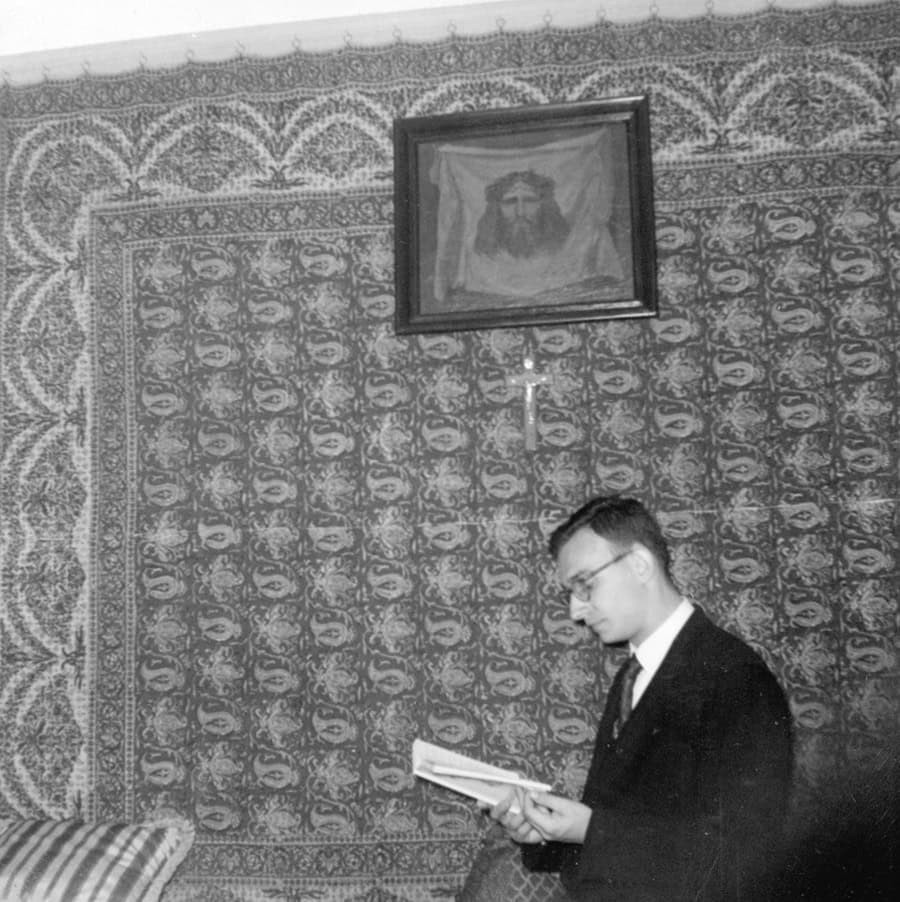
Любомир Гузар за молитвою, фото 1954 року
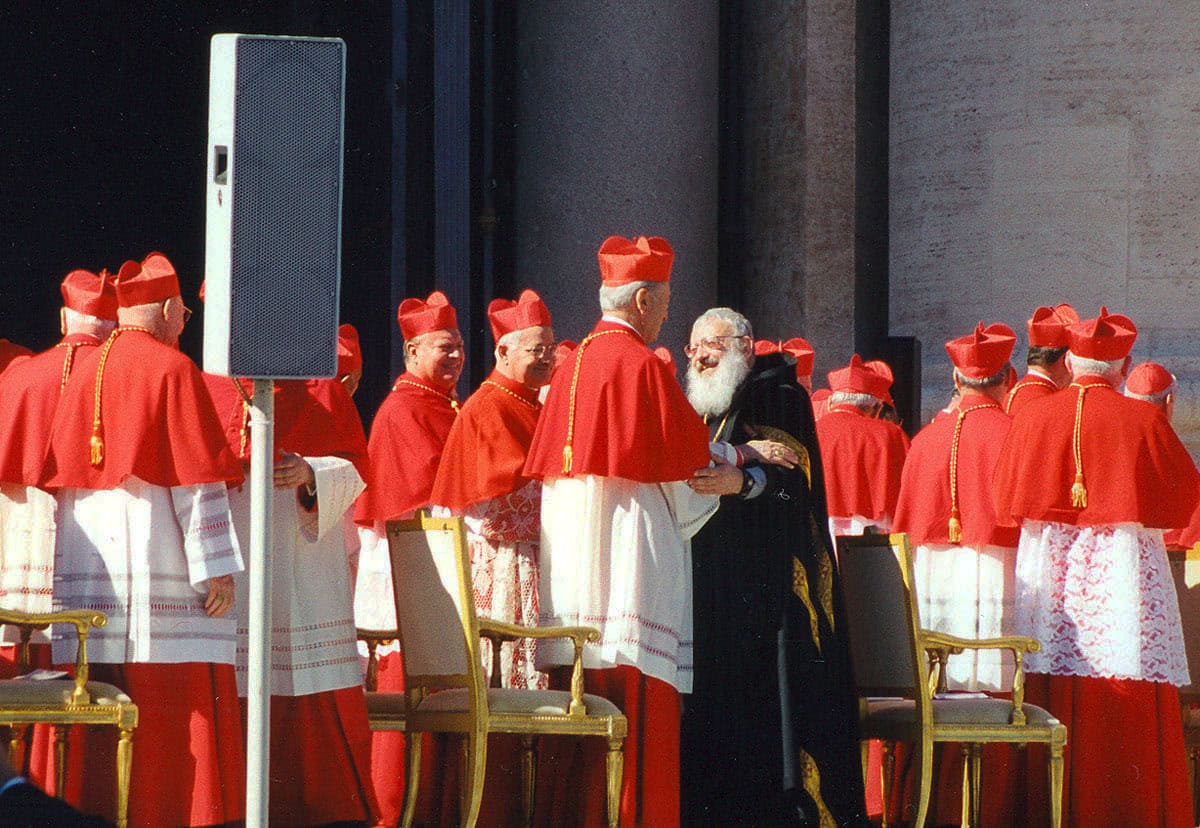
Консисторія, Ватикан, фото 21 лютого 2001 року
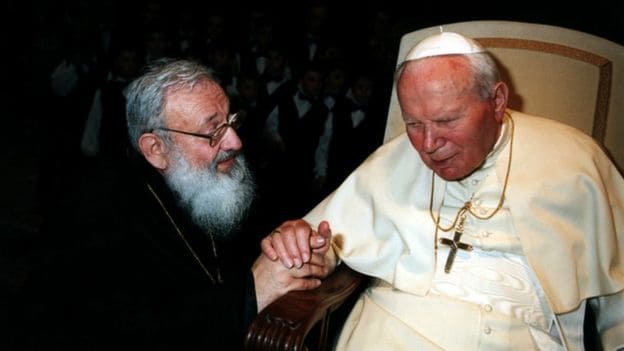
Папа Римський Іван Павло ІІ і владика Любомир Гузар, м. Київ, 2000 року
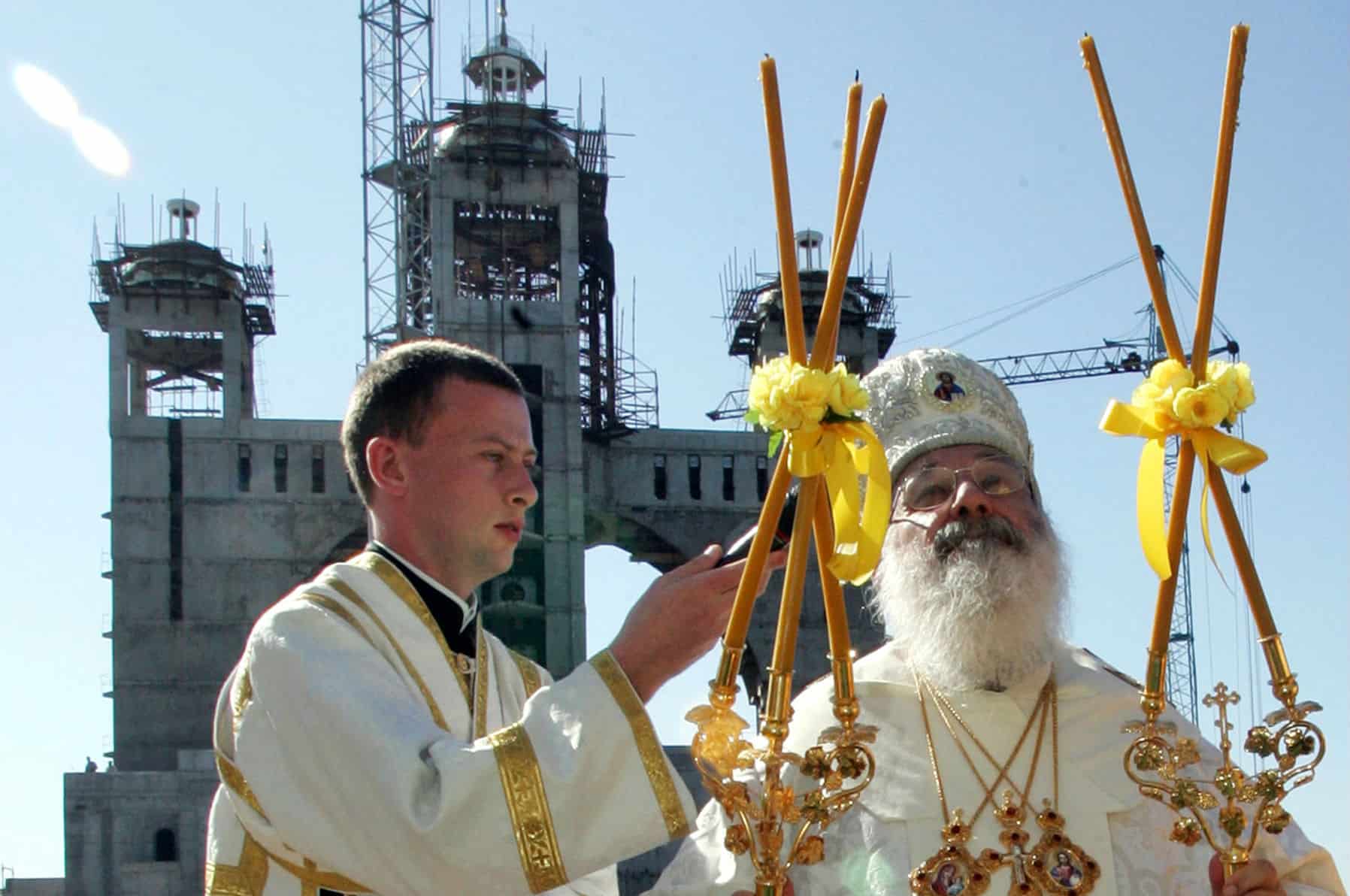
Глава УГКЦ благословляє будівництво Патріаршого собору Воскресіння Христового, м.Київ, фото 2 0 0 7 року
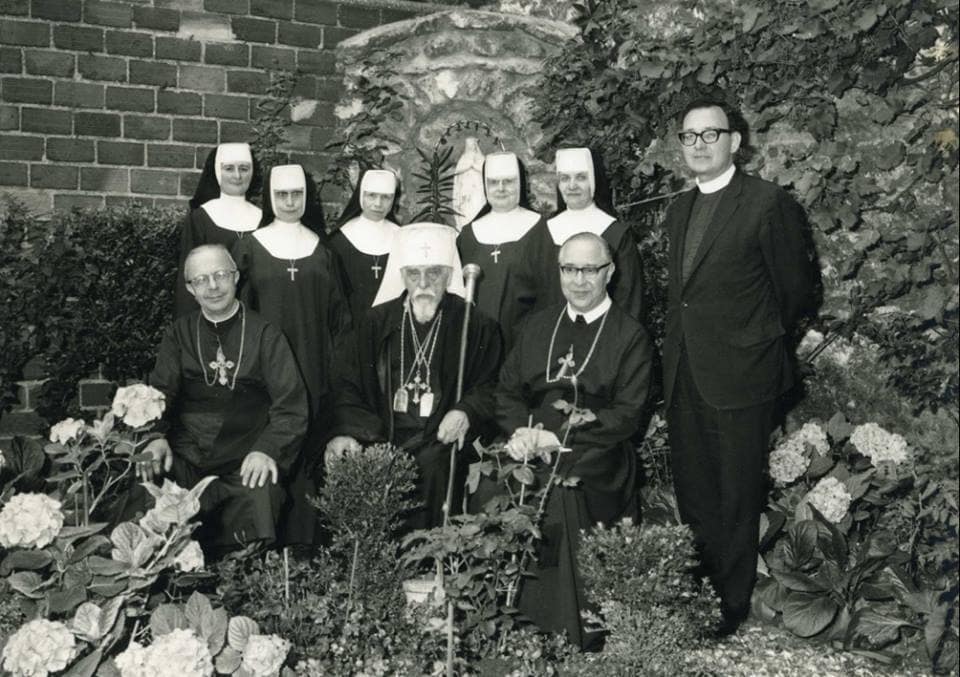
Владика Максим Германюк, Патріарх Йосиф Сліпий, владика Августин Горняк,отець Любомир Гузар із сестрами служебницями, м. Рим, фото 1 9 7 1 року
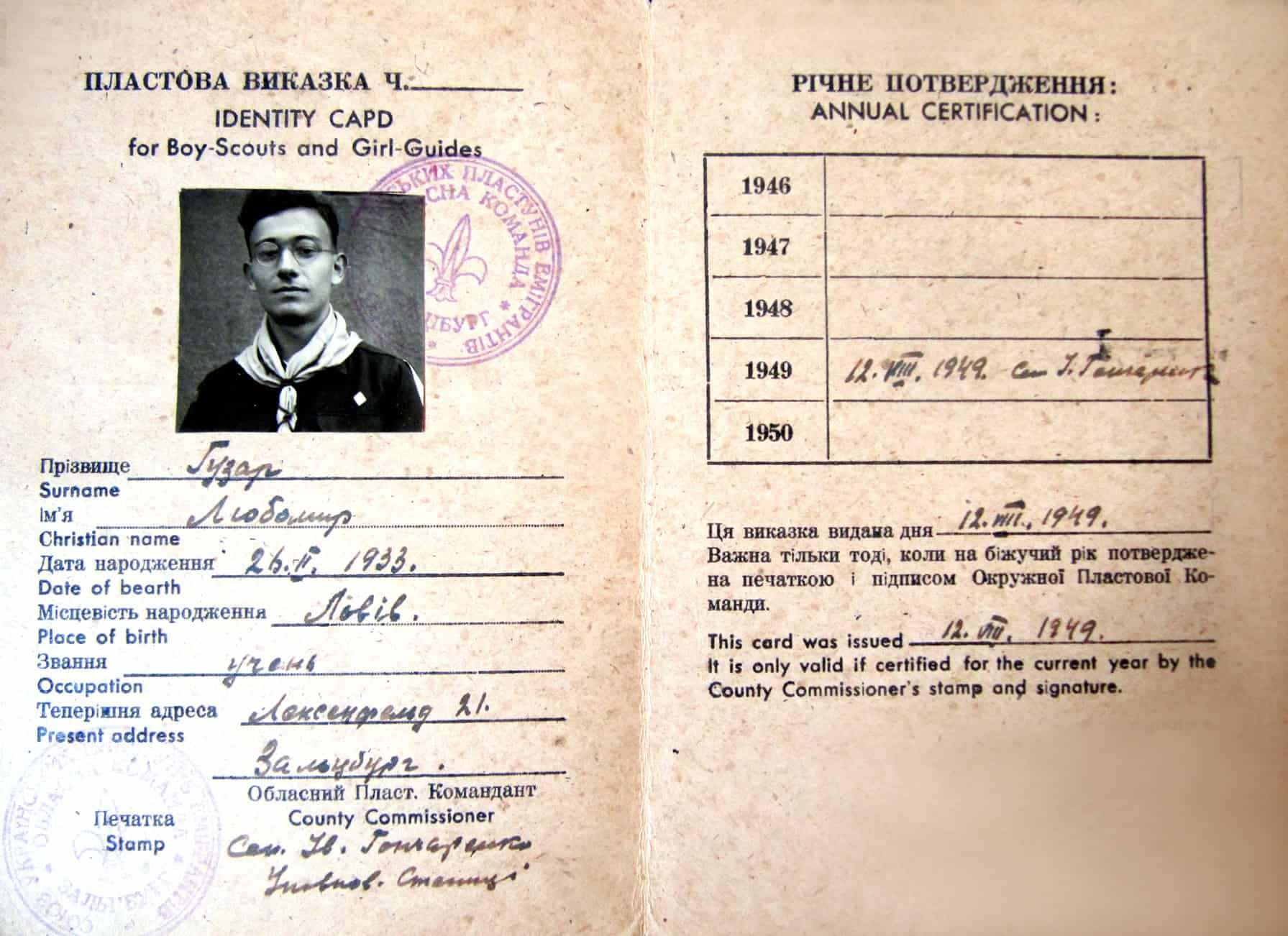
Пластове посвідчення Любомира Гузара
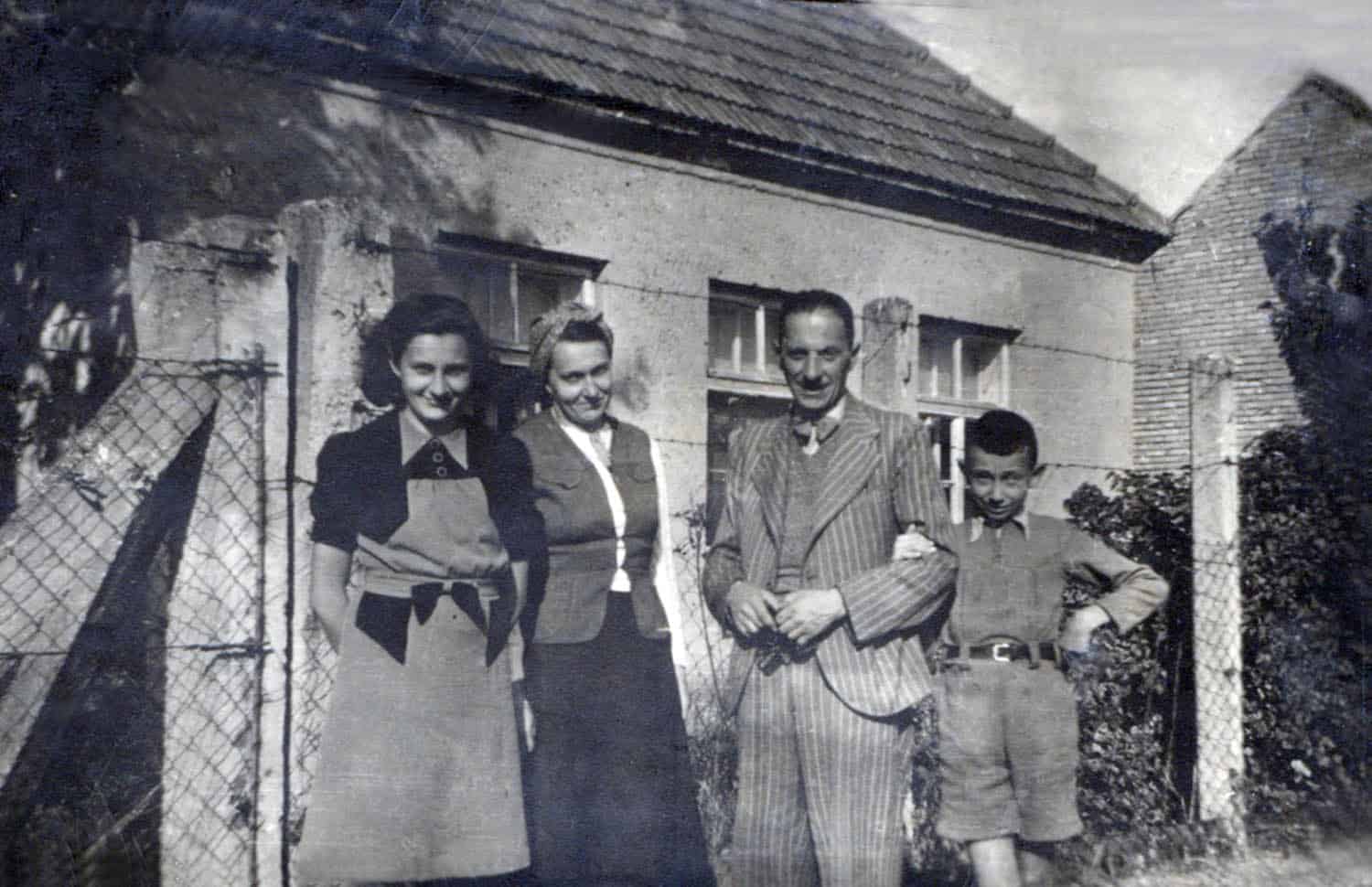
Родина Гузарів у Австрії, фото 1944 року
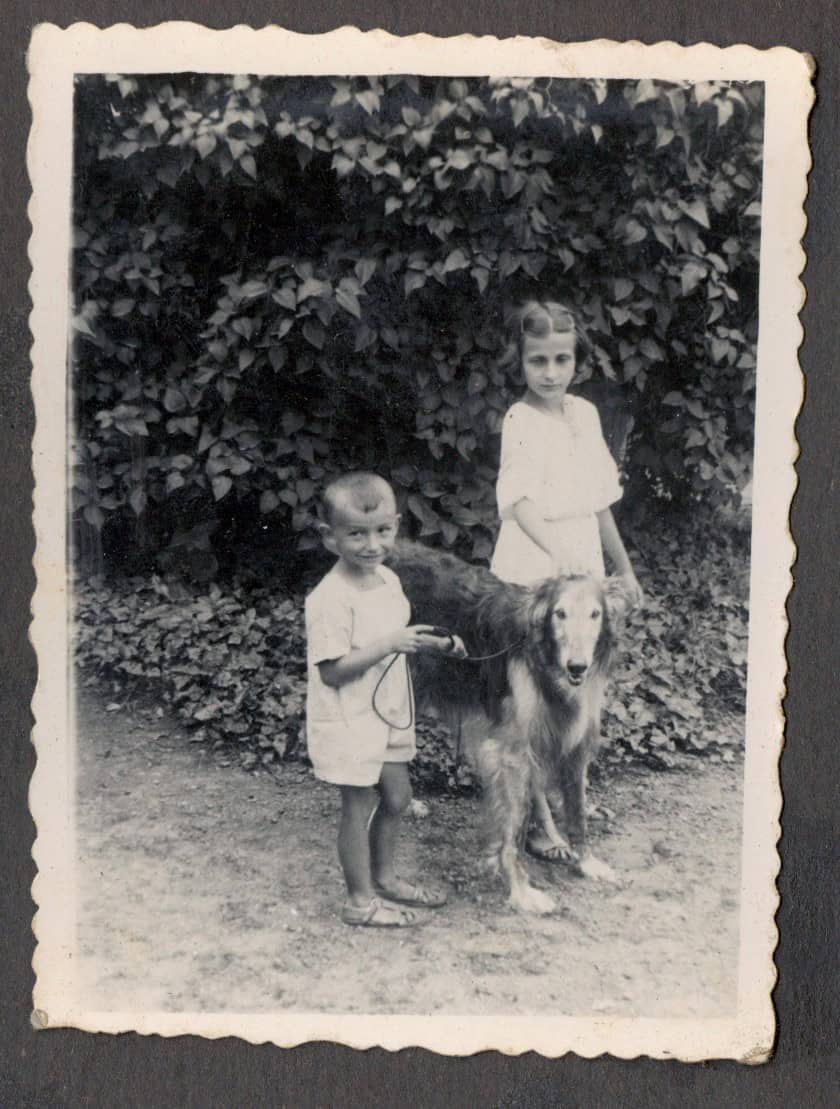
Любомир Гузар із сестрою Мартою, фото 1937 року
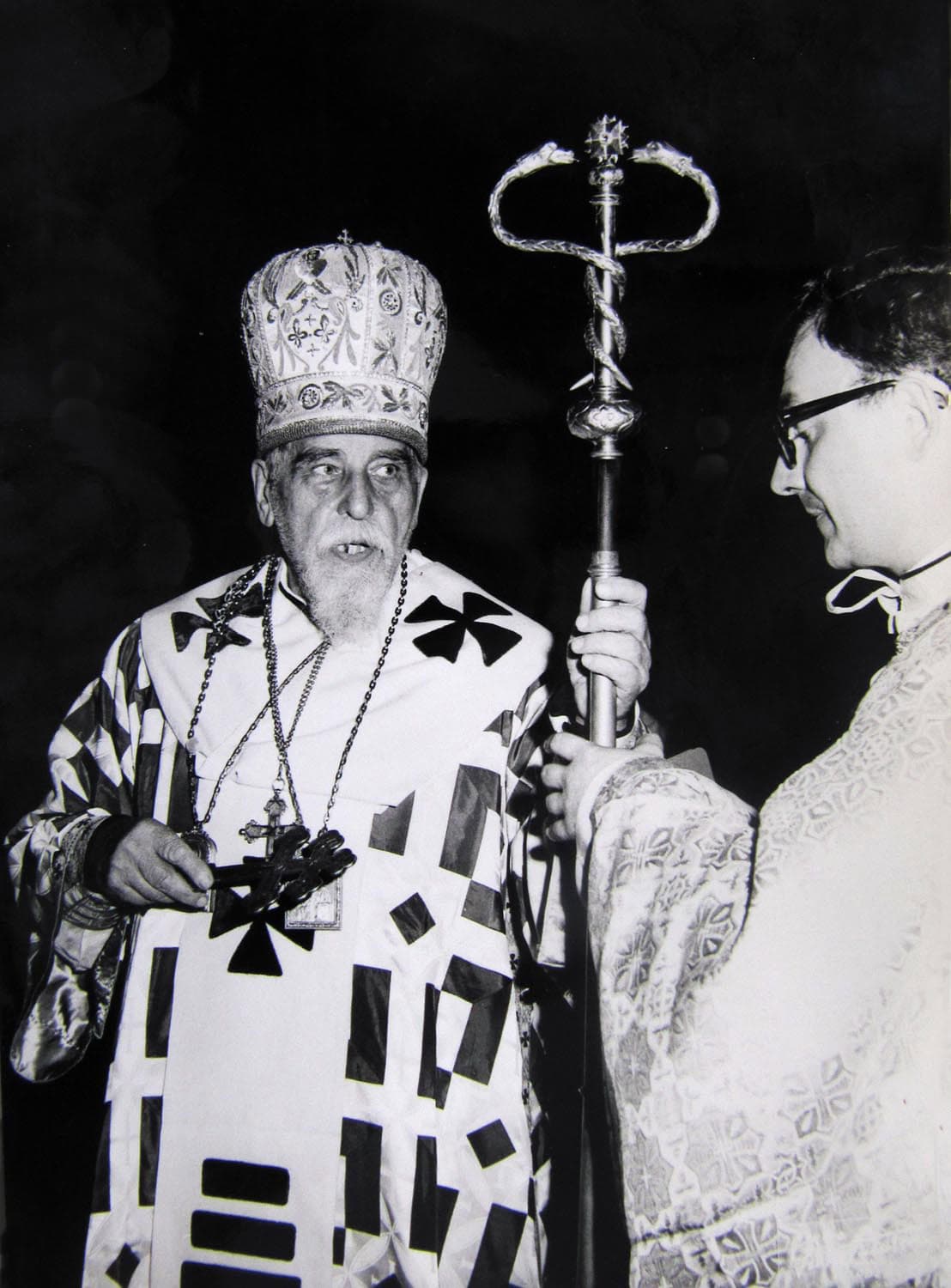
Патріарх Йосиф Сліпий і отець Любомир Гузар у Франції, фото 1970 року
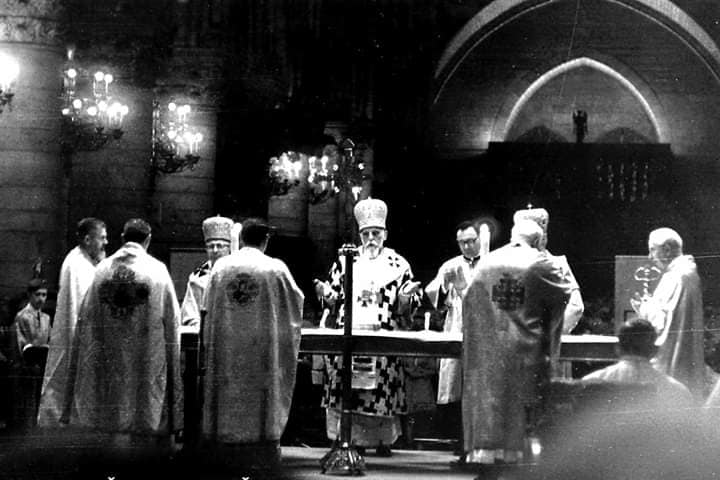
Літургія, Ватикан, фото 1970 року
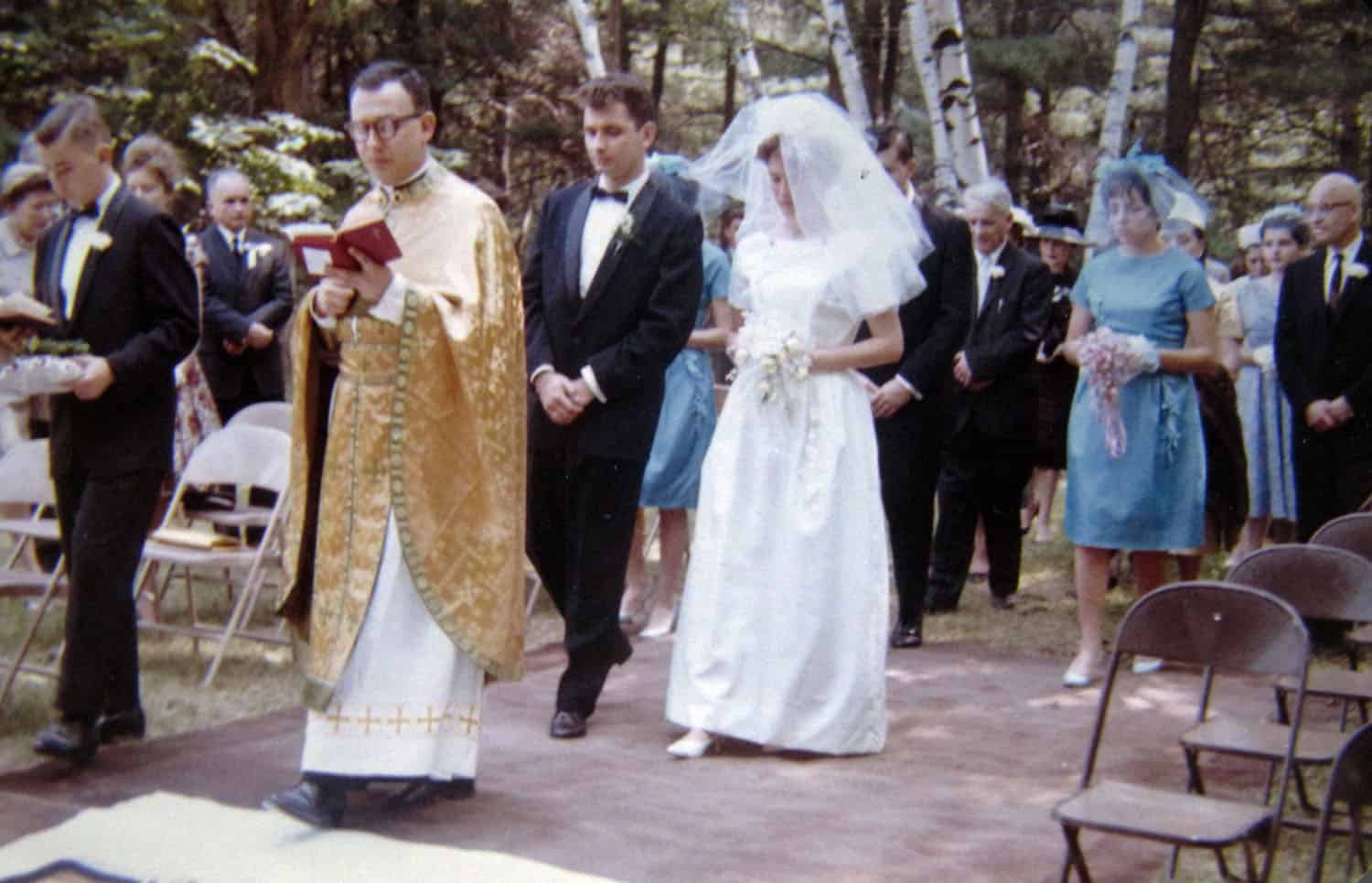
Вінчання на «Союзівці», США, 1960 – ті роки
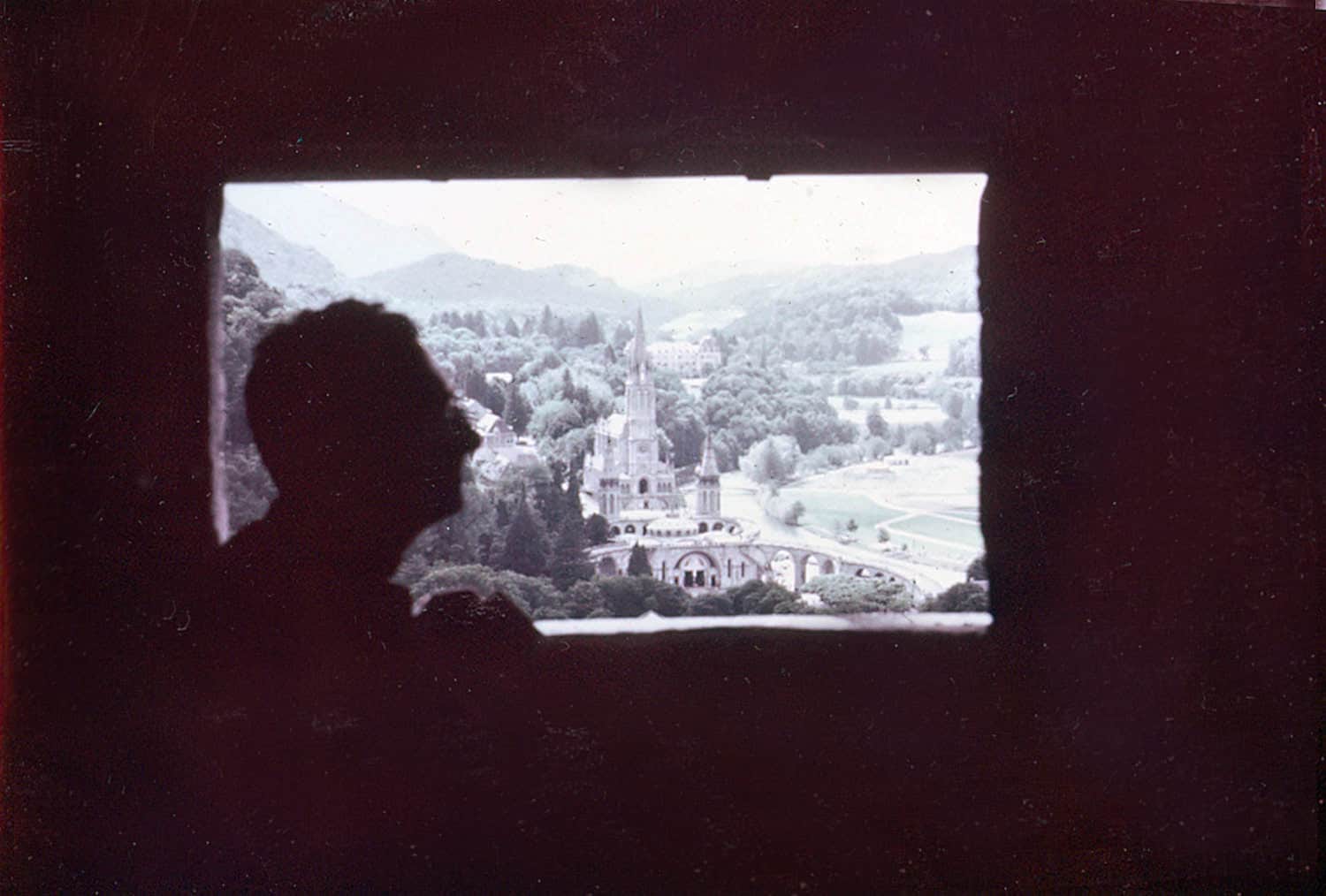
Любомир Гузар у поїзді, Італія, 1972 року
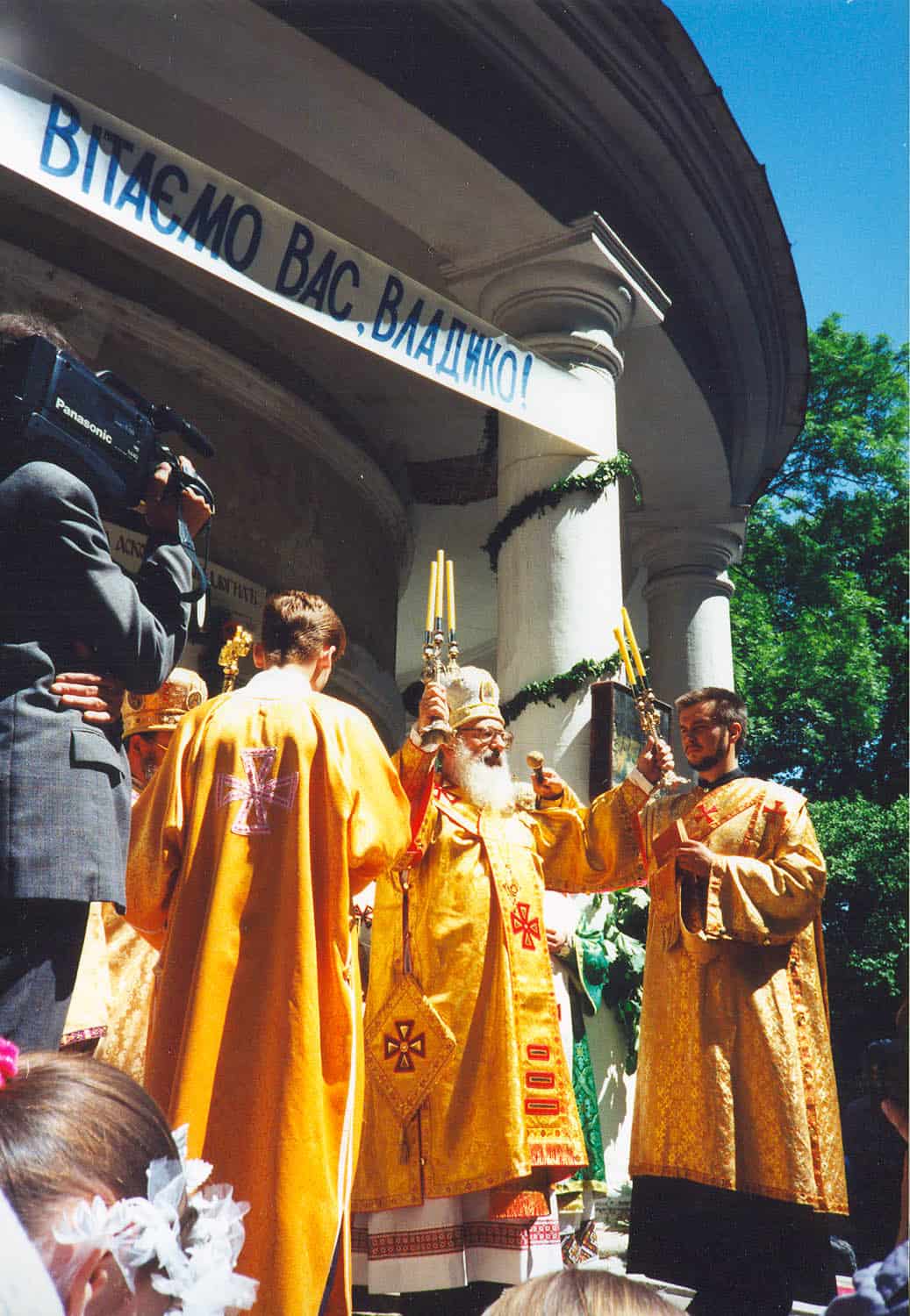
Уведення владики Любомира Гузара на престол екзарха, Київ, 1 червня 1996 року
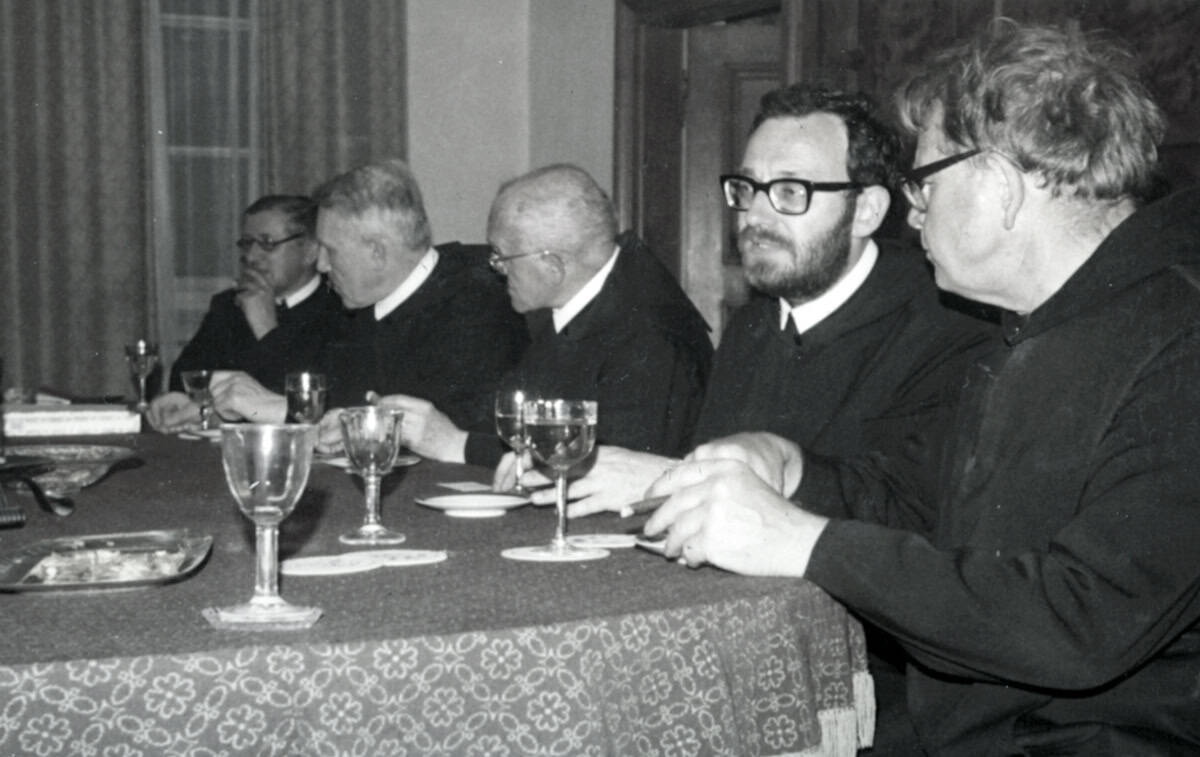
Прощання з отцем Любомиром у монастирі Меттен, Німеччина, червень 1973 року
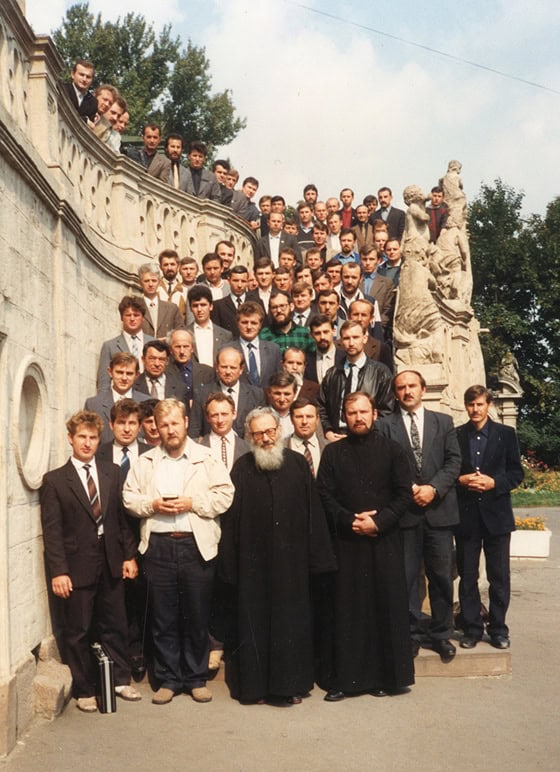
Група з владикою Любомиром Гузаром на сходах собору Св. Юра, м. Львів, 1993 року
Відео

Любомир Гузар

Уривок з документального фільму «Сходи Якова»
Цікаво почитати

Любомир Гузар. Спогади (подарункове)
1800 грн
Докладніше
Любомир Гузар. Спогади
650 грн
Докладніше