


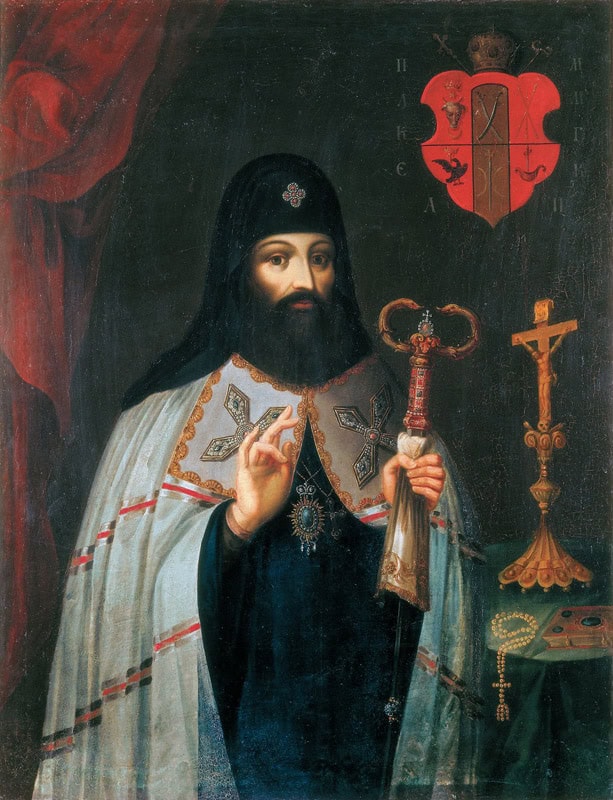
- Діяльність: Культура, Релігія
- Дата народження: 21 грудня 1596 року
- Дата смерті: 1 січня 1647 року, Київ
- Навігатор: Пізнє середньовіччя. Русь після Русі
Православний митрополит, теолог, засновник першої школи на території Києво-Печерської лаври.
Петро Могила народився в аристократичній румунській родині, у якій зберігалася легенда про римлянина Муція Сцеволу, вчителя Ціцерона, що нібито оселився в Молдові та започаткував рід Могил. У той час еліта активно продукувала генеалогічні легенди, а римські корені допомагали румунському нобілітету позбутися комплексів провінційності. Дід майбутнього митрополита був вищим урядовцем, батько Симеон — сучавським гетьманом, потім господарем Волощини і Молдови; 1607 року його отруїли змовники. Батьків брат Єремія займав кафедру молдовського митрополита — згодом цим шляхом пішов і Петро Могила, але спершу на нього чекала військова кар’єра.
Після загибелі Симеона Могили родина переїхала до Речі Посполитої, рятуючись від опали нових молдавських господарів. Припускають, що Могила здобув початкову домашню освіту від учителів Львівської братської школи, можливо, навчався в єзуїтській академії в Замості. Міг також студіювати у Франції або в Голландії — це було поширеною практикою; однак у студентських переписах його прізвища не виявлено.
Опікуном юнака був коронний канцлер і гетьман Станіслав Жолкевський. Вони разом брали участь у Хотинській війні, у якій козацько-польське військо билося проти турків. Жолкевський загинув у битві під Цецорою (1620), а Могила ще встиг взяти участь у Хотинській битві 1621 року, в якій Петро Сагайдачний отримав смертельне поранення.
Потому Могила надумав переселитися в Наддніпрянщину, придбав маєтності в околицях Києва. Невдовзі після смерті архімандрита Києво-Печерської лаври Захарії Копистенського Петро Могила прийняв монаший постриг і був обраний архімандритом — доволі стрімке зростання в духовній ієрархії. Довелося взятися за відновлення монастирського майна, повернення та відбудову церков, що занепали після того, як ними тимчасово користувалася унійна церква. Могила навіть вдавався до збройних набігів на землі, які відібрала в лаври шляхта, і силою повертає їх.
Могила викуповував закладені церковні речі, реставрував печери, ініціював канонізаційні процеси середньовічних руських святих, усвідомлюючи необхідність побудови тяглості між Руссю і власною добою. Сам він жив у суворому аскетизмі, носив на тілі волосяницю й залізний ланцюг, мав містичний досвід і власноруч записував оповідки про чуда, що траплялися в обителі, — ці записи збереглися й опубліковані.
У час міжконфесійної полеміки Могила розумів важливість діалогу та промоції власної позиції. Тому в Лаврській друкарні, яку заснував Єлисей Плетенецький, на додачу до церковнослов’янського та староукраїнського, закупив латинський і польський шрифти, щоби знайомити різноетнічне населення Речі Посполитої з православними цінностями та лаврськими святинями. За його ініціативи відбулася ґрунтовна богословська праця над унормуванням літургійних текстів та треб, результатом якої стали «Служебник», «Требник», «Катехизм» — відтепер по всій Київській митрополії служба була стандартизована, що сприяло зміцненню ідентичності спільноти.
Ще більше цьому сприяла освітня реформа Петра Могили. 1631 року він заснував при Києво-Печерській лаврі школу нового зразка: православну, але із західними освітніми програмами, конкурентоспроможну з єзуїтськими колегіумами — своїми головними конкурентами. Уже 1632 року Лаврська школа була об’єднана з Братською на Подолі — так постала Києво-Могилянська колегія, згодом академія.
У цей час він ще не був митрополитом. Інтронізація на київську митрополичу кафедру відбулася 1633 року. Не минулося без конфлікту з козацтвом та попередником Петра Могили, митрополитом Ісаєю Копинським. Проте вже незабаром митрополит Петро Могила зайняв кафедральний Софійський собор і Видубецький монастир у Києві, що їх доти посідали уніати. Цій події, як і заснуванню школи, присвячена низка панегіриків.
Петро Могила був прихильником утворення автокефального Київського патріархату та повноправної присутності православних громадян у суспільному житті Речі Посполитої.
Короткі висновки
-
- Державний діяч і реформатор — провів реформу православної церкви та освіти в Україні за єзуїтськими зразками.
- Законодавець — не був законодавцем в сучасному розумінні, був церковним та політичним діячем.
- Будівничий і меценат — заснував Києво-Могилянську колегію – перший вищий навчальний заклад в Україні, зібрав одну з найбагатших бібліотек, яку заповів колегіуму.
- Церковна політика — відновив багато православних святинь, зокрема Софійський собор, здійснив кардинальні реформи православної церкви, надавши їй чіткої організаційної структури, модернізувавши богослужбові книги («Требник», «Служебник») та ухваливши «Православне сповідання віри.
- Спадщина – зміцнив та відновив православну церкву також зробив значний внесок у розвиток української культури та освіти.
Petro Mohyla
Activity: Culture, Religion
Date of Birth: December 21, 1596 Date of Death: January 1, 1647, Kyiv
Navigator: Late Middle Ages. Rus’ after Rus’
Petro Mohyla was an Orthodox metropolitan, theologian, and founder of the first school on the territory of the Kyiv Pechersk Lavra.
Petro Mohyla was born into an aristocratic Romanian family that preserved a legend about the Roman Gaius Mucius Scaevola, a supposed teacher of Cicero, who allegedly settled in Moldova and founded the Mohyla lineage. At that time, elites actively produced genealogical legends, and supposed Roman roots helped the Romanian nobility overcome feelings of provincialism. The future metropolitan’s grandfather was a high-ranking official, while his father, Simion Movilă, served as the hetman of Suceava and later as the ruler of Wallachia and Moldova. In 1607 he was poisoned by conspirators. Mohyla’s uncle Ieremia Movilă held the position of Metropolitan of Moldova. Petro Mohyla would later follow a similar path, though initially a military career awaited him.
After the death of Simion Movilă, the family moved to the Polish–Lithuanian Commonwealth to escape persecution by the new Moldavian rulers. It is assumed that Mohyla received his primary home education from teachers of the Lviv Brotherhood School and may have studied at the Jesuit academy in Zamość. He might also have studied in France or the Netherlands, which was common practice at the time, although his name has not been found in surviving student registers.
The young man’s guardian was the Crown Chancellor and Hetman Stanisław Żółkiewski. Together they participated in the Polish–Ottoman War (1620–1621), during which the Polish–Cossack army fought against the Ottoman forces. Żółkiewski was killed in the Battle of Cecora (1620). Mohyla later took part in the Battle of Khotyn (1621), where the Cossack leader Petro Konashevych-Sahaidachny received the fatal wound that led to his death.
After these events, Mohyla decided to settle in the Dnipro region and purchased estates near Kyiv. Soon after the death of the archimandrite of the Kyiv Pechersk Lavra, Zakharia Kopystensky, Petro Mohyla took monastic vows and was elected archimandrite — a rather rapid rise within the church hierarchy. He had to restore monastic property, reclaim churches, and rebuild those that had fallen into decline after being temporarily used by the Uniate Church. Mohyla even organized armed raids on lands seized from the Lavra by the nobility and forcibly returned them.
Mohyla redeemed pawned church valuables, restored the Lavra caves, and initiated canonization processes for medieval Rus’ saints, recognizing the need to establish continuity between the era of Rus’ and his own time. Personally, he lived in strict asceticism, wore a hair shirt and an iron chain on his body, had mystical experiences, and personally recorded accounts of miracles that occurred in the monastery. These records have survived and have been published.
During the period of interconfessional polemics, Mohyla understood the importance of dialogue and promoting his position. Therefore, in the Lavra printing house founded by Yelysei Pletenetsky, he introduced Latin and Polish typefaces alongside Church Slavonic and Old Ukrainian, in order to familiarize the multiethnic population of the Polish–Lithuanian Commonwealth with Orthodox values and the Lavra’s sacred heritage. At his initiative, extensive theological work was carried out to standardize liturgical texts and rites. This resulted in publications such as the “Sluzhebnyk”, “Trebnyk,” and “Catechism.” From then on, church services across the Kyiv Metropolitanate became standardized, strengthening the community’s identity.
Petro Mohyla’s educational reform contributed even more to this process. In 1631 he founded a new type of school at the Kyiv Pechersk Lavra: Orthodox in spirit but based on Western educational programs and capable of competing with Jesuit colleges — their main rivals. In 1632 the Lavra school was merged with the Brotherhood School in Podil, forming the Kyiv-Mohyla Collegium, which later became the Kyiv-Mohyla Academy.
At that time, he had not yet become metropolitan. His enthronement as Metropolitan of Kyiv took place in 1633. The process was not without conflict with the Cossacks and with Mohyla’s predecessor, Metropolitan Isaiah Kopynsky. Soon afterward, Metropolitan Petro Mohyla occupied the cathedral seat at the Saint Sophia Cathedral, Kyiv and the Vydubychi Monastery, which had previously been held by the Uniates. This event, like the founding of the school, was celebrated in a series of panegyrics.
Petro Mohyla supported the creation of an autocephalous Kyiv Patriarchate and advocated for the full participation of Orthodox citizens in the public life of the Polish–Lithuanian Commonwealth.
Brief Conclusions
Statesman and reformer — carried out reforms of the Orthodox Church and education in Ukraine inspired by Jesuit models.
Legislator — not a legislator in the modern sense, but an influential church and political figure.
Builder and patron — founded the Kyiv-Mohyla Collegium, the first institution of higher education in Ukraine, and assembled one of the richest libraries of his time, which he bequeathed to the collegium.
Church policy — restored many Orthodox shrines, including Saint Sophia Cathedral; implemented fundamental reforms of the Orthodox Church by establishing a clear organizational structure, modernizing liturgical books (“Trebnyk,” “Sluzhebnyk”), and approving the Orthodox Confession of Faith.
Legacy — strengthened and revived the Orthodox Church and made a significant contribution to the development of Ukrainian culture and education.
Пов’язані матеріали


Хотинська битва, учасником якої був Петро Могила
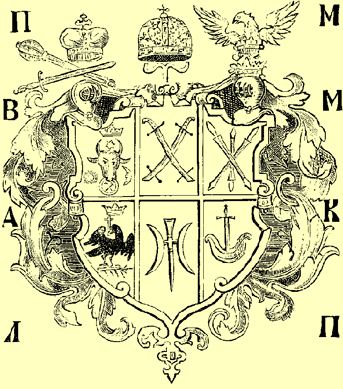
Герб Петра Могили
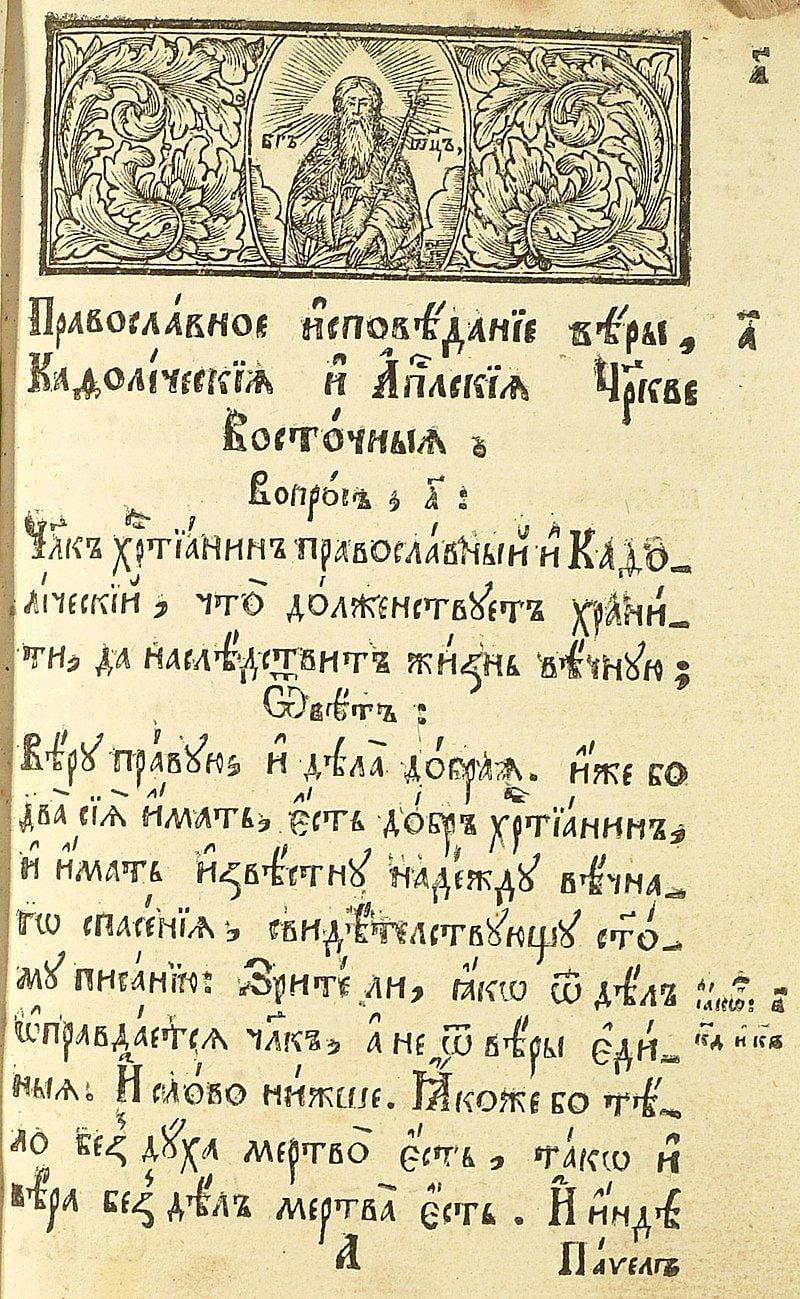
Катехізис Петра Могили
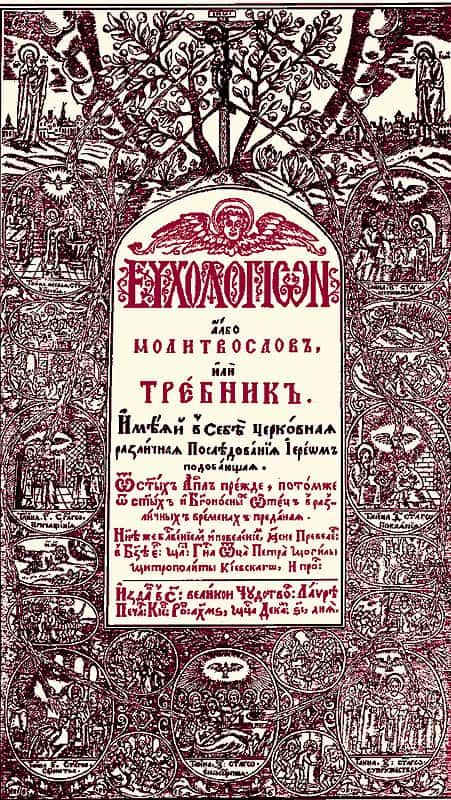
«Требник» Петра Могили
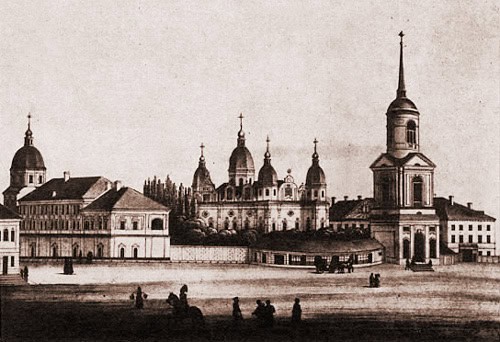
Київський Братський монастир і Академія
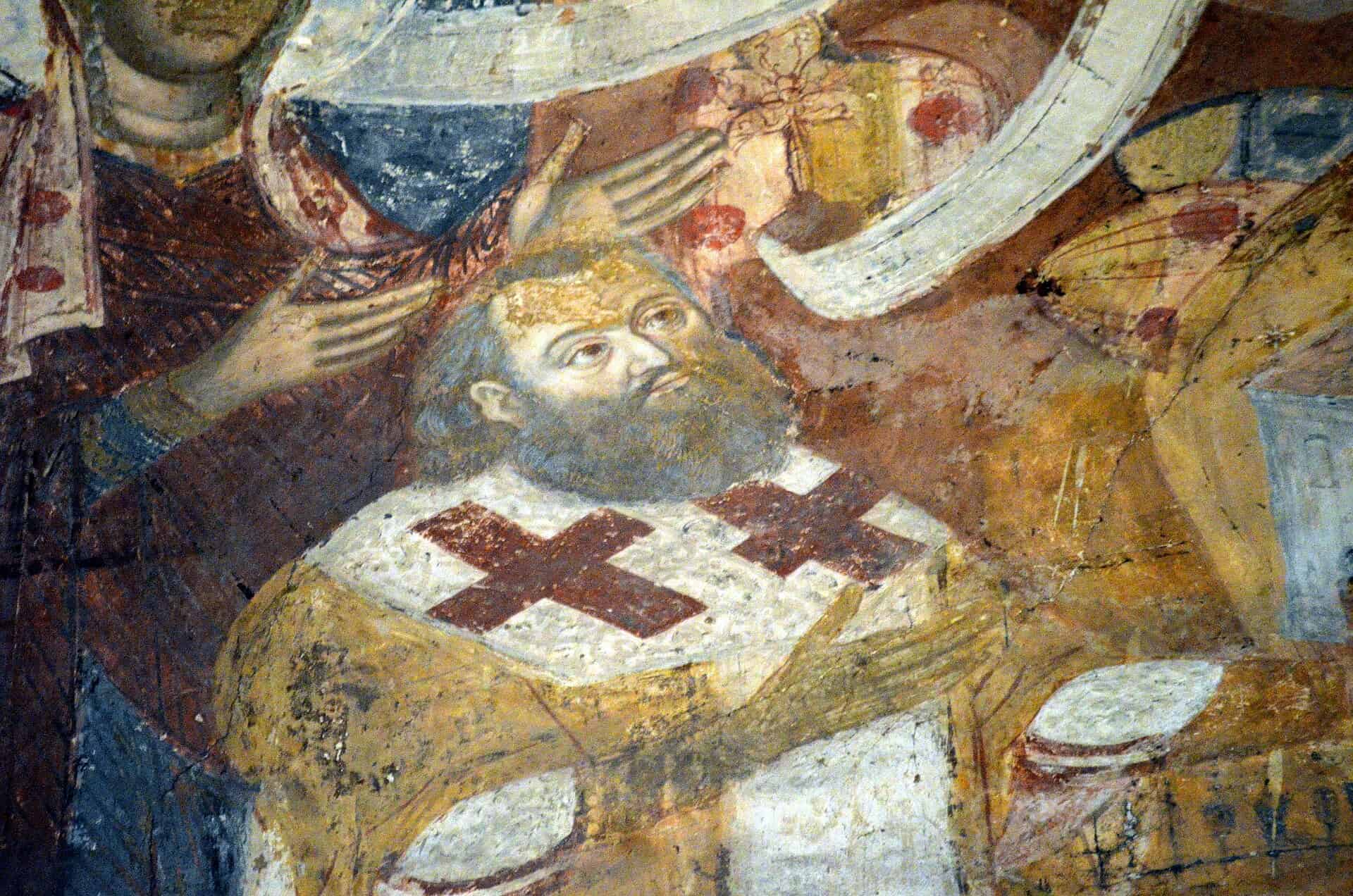
Петро Могила (фрагмент фрески в церкві Спаса на Берестові)
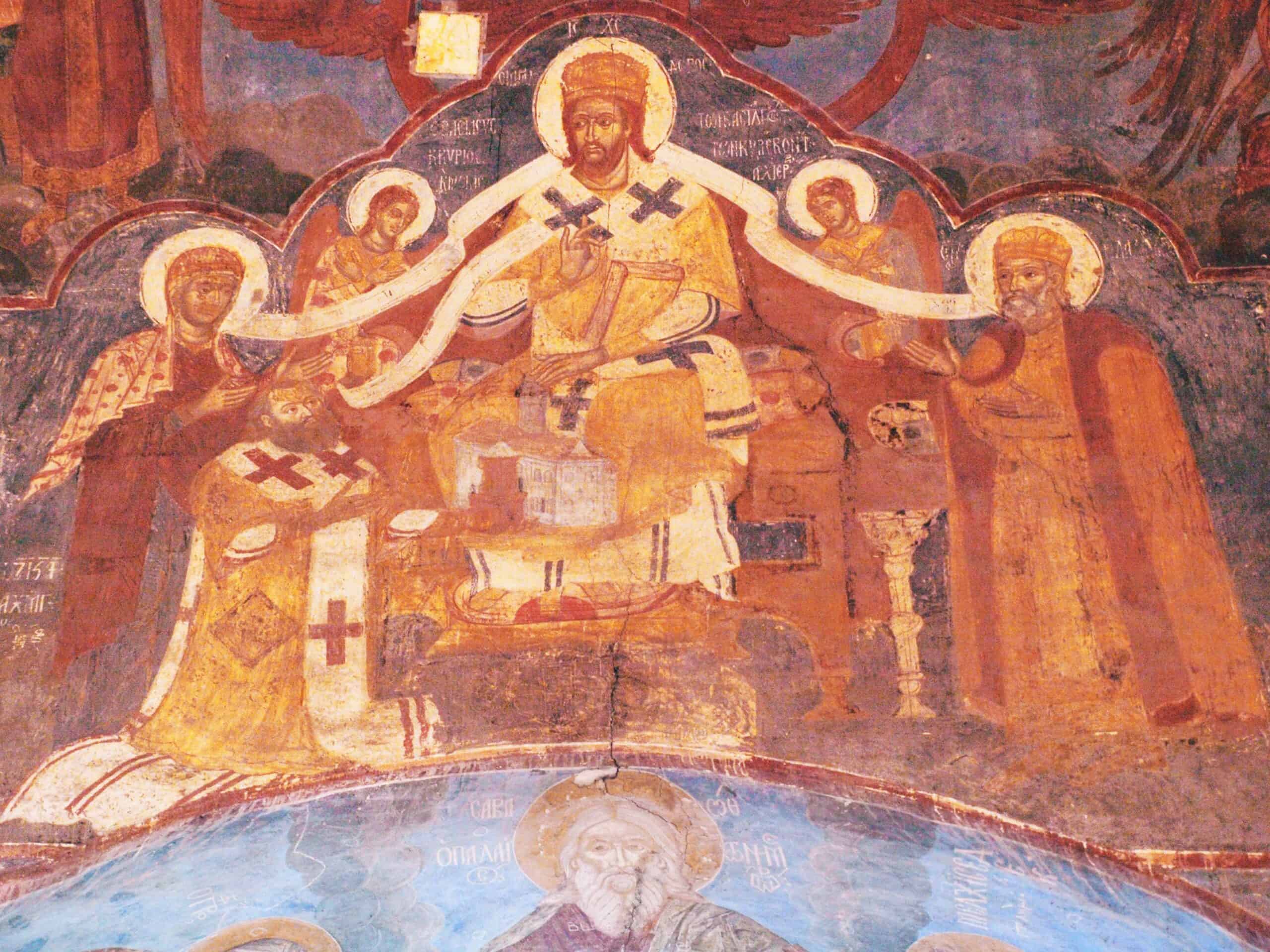
Петро Могила (зліва навколішках) з розпису в церкві Спаса на Берестові в Києві
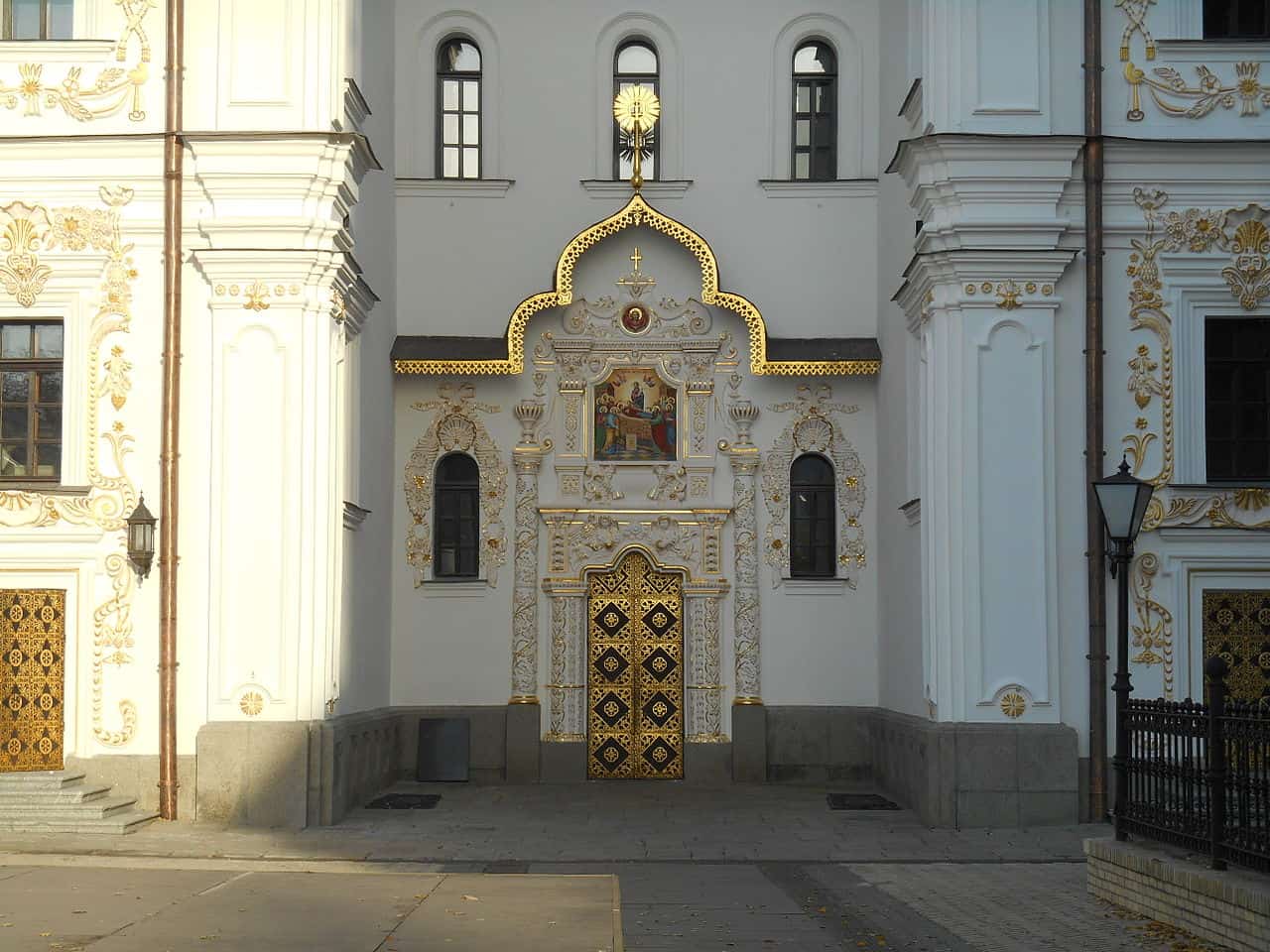
Гранітна плита на могилі Петра Могили, зліва від головного входу в Успенський собор
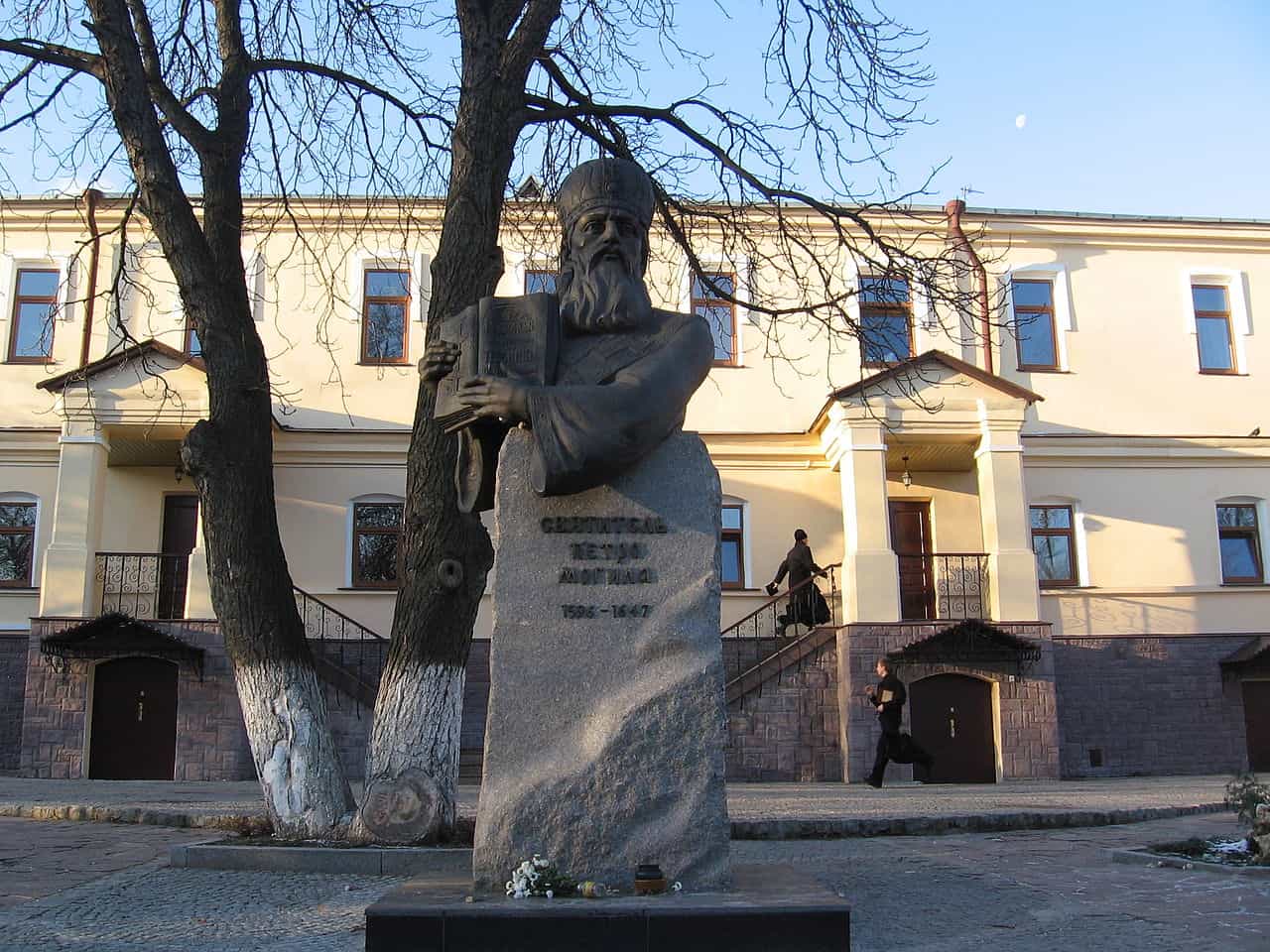
Пам’ятник Петру Могилі на території Києво-Печерської Лаври
Відео
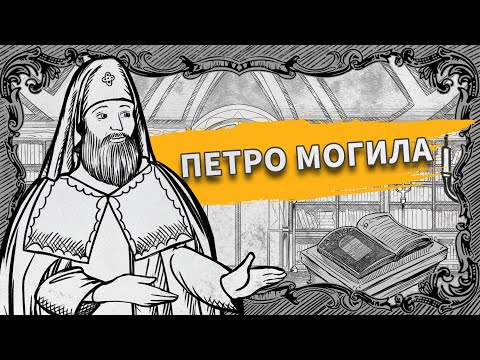
Петро Могила та його внесок у створення Києво-могилянської академії.
Цікаво почитати
Химерний Київ. Легенди, лякачки та цікавинки
580 грн
Докладніше