


- Діяльність: Культура, Наука й освіта
- Дата народження: 19 листопада 1539 року
- Дата смерті: кінець грудня 1582 року
- Навігатор: Пізнє середньовіччя. Русь після Русі
Галшка Острозька — княгиня, меценатка, засновниця Острозької академії — народилася 19 листопада 1539 року в сім’ї волинського князя Іллі Острозького і красуні Беати Костелецької, яка, за припущеннями дослідників, могла бути позашлюбною дочкою польського короля Сигізмунда І Старого.
Щоправда, росла Галшка без батька — він помер незадовго до її народження, заповівши спадкоємиці численні маєтності. Здавалося, що дівчинці від початку гарантоване впливове місце в суспільстві; а з другого боку, заможність, високе походження і неабияка врода наповнили її особисте життя трагедіями.
Першим чоловіком Галшки став князь Дмитро Сангушко, якому руку дівчини обіцяв її дядько, Василь-Костянтин Острозький. Дмитро відтак вирішив, що має цілковите право взяти її за дружину силоміць — і вінчання таки відбулося, коли Галшці було 14 років. Беата, щоб урятувати доньку, звернулася до польського короля, і, не без сприяння шляхтичів, які й собі не проти були одружити синів із князівною, монарх видав вирок: Сангушка стратити, а дівчину повернути додому. Дмитро спробував утекти, забравши із собою дружину, однак їх упіймали й вирок виконали. За переказами, від цього шлюбу в Галшки лишився син, якого Беата віддала на виховання в селянську сім’ю; краєзнавець Микола Пашковець припускає навіть, що з цього хлопчика виріс славнозвісний козацький ватажок Северин Наливайко.
Із другим чоловіком, магнатом Лукашем Ґуркою, якого дібрав для неї сам польський король, Галшку одружили обманом. Від нього вона згодом втекла до коханого князя Симеона Слуцького, із яким потаємно обвінчалася. Проте король не готовий був погодитися з вибором норовливої князівни, тож Слуцького вбили, а Галшці принесли його відрубану руку разом з обручкою. На той час жінці було всього 19 років. Її повернули Ґурці, який ув’язнив дружину у вежі та змусив носити маску, аби не привертати увагу вродою.
Покинути стіни вежі-в’язниці Галшка Острозька змогла аж 1573 року, після смерті Ґурки. Свої чималі маєтності вона використовувала на підтримку культури: спонсорувала друкарні, освітні інституції, бібліотеки. Але найважливішим став її внесок у створення Острозької академії: Галшка вклала чимало коштів у те, щоб школа в Острозі спершу просто постала, а потім — виросла в культурно-науковий осередок європейського масштабу.
Авторка: Маргарита Кас’яненко
Короткі висновки
- Державна діячка і реформаторка — підтримувала розвиток освіти та культури на українських землях, зокрема, через фінансову допомогу.
- Законодавиця — не була законодавицею в сучасному розумінні, її діяльність була спрямована на піднесення освіти та духовності.
- Будівнича і меценатка — зробила вагомий внесок у створення Острозької академії (першого вищого навчального закладу в Східній Європі).
- Церковна політика — завдяки її діяльності значно розвивалися церковні та освітні заклади на Волині та Київщині.
- Спадщина – стала однією з перших жінок-меценаток та “реформаторкою” в контексті розвитку української освіти та культури.
Редакція «Порталу»
Halshka Ostrozka
Activity: Culture, Science and Education
Date of Birth: 19 November 1539
Date of Death: Late December 1582
Navigator: Late Middle Ages. Rus’ after Rus’
Halshka Ostrozka (Halszka of Ostroh) — a princess, patroness, and founder of the Ostroh Academy — was born on 19 November 1539 into the family of the Volhynian prince Illia Ostrozkyi and the renowned beauty Beata Kościelecka, who, according to scholarly assumptions, may have been the illegitimate daughter of King Sigismund I the Old of Poland.
It is true that Halshka grew up without her father — he died shortly before her birth, bequeathing to his heiress extensive estates. From the outset, it seemed that the girl was destined for an influential place in society; yet, on the other hand, her wealth, noble lineage, and remarkable beauty filled her personal life with tragedy.
Halshka’s first husband was Prince Dmytro Sangushko, to whom her hand had been promised by her uncle, Prince Vasyl-Konstantyn Ostrozkyi. Dmytro thus decided that he had every right to take her as his wife by force — and the wedding indeed took place when Halshka was only fourteen. In order to save her daughter, Beata appealed to King Sigismund II Augustus of Poland. With the support of nobles who themselves would not have objected to marrying their sons to the young princess, the monarch pronounced his verdict: Sangushko was to be executed, and the girl returned home. Dmytro attempted to flee, taking his wife with him, but they were captured and the sentence was carried out. According to tradition, Halshka bore a son from this marriage, whom Beata entrusted to a peasant family for upbringing; the local historian Mykola Pashkovets even suggested that this boy later became the renowned Cossack leader Severyn Nalyvaiko.
Halshka was deceived into her second marriage to the magnate Łukasz Górka, a match arranged by the Polish king himself. She later fled from him to her beloved Prince Simeon Slutsky, with whom she secretly married. However, the king was unwilling to accept the willful princess’s choice: Slutsky was killed, and Halshka was presented with his severed hand bearing the wedding ring. She was only nineteen years old at the time. She was returned to Górka, who imprisoned her in a tower and forced her to wear a mask so that her beauty would not attract attention.
Halshka Ostrozka was able to leave the walls of her prison-tower only in 1573, after Górka’s death. She devoted her considerable estates to the support of culture, sponsoring printing houses, educational institutions, and libraries. Her most significant contribution, however, was to the establishment of the Ostroh Academy: Halshka invested substantial funds to ensure that the school in Ostroh was first founded and later developed into a cultural and scholarly center of European stature.
Author: Marharyta Kasianenko
Brief Conclusions
Stateswoman and reformer — she supported the development of education and culture in the Ukrainian lands, particularly through financial patronage.
Legislator — not a legislator in the modern sense; her activity was directed toward the advancement of education and spiritual life.
Builder and patroness — she made a significant contribution to the founding of the Ostroh Academy, the first institution of higher learning in Eastern Europe.
Church policy — thanks to her efforts, ecclesiastical and educational institutions in Volhynia and the Kyiv region experienced notable development.
Legacy — she became one of the earliest female patrons and a “reformer” in the context of the development of Ukrainian education and culture.
Portal Editorial Team

Пов’язані матеріали

Єлизавета (Галшка) Острозька, вона ж Чорна княгиня. Сучасний портрет пензля Юрія Нікітіна

Сигізмунд І Старий і дві його дружини – Барбара Запойяї і Бона Сфорца. Гравюра 1519 року

«Беата, дружина Іллі, князя Острозького»

Острозький замок, який перейшов Гальшці у спадок від Іллі Острозького
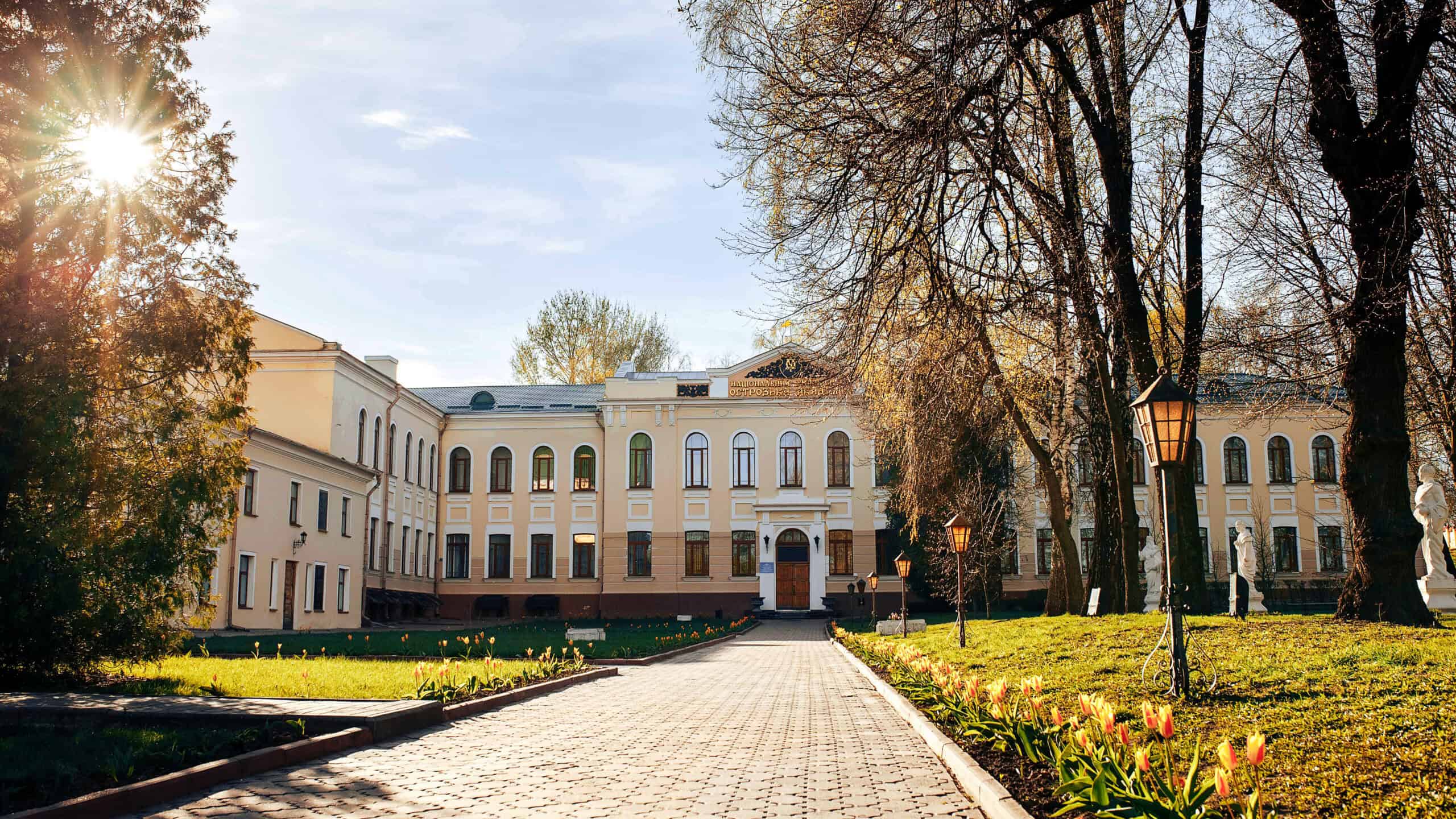
Острозька академія, староадемічний корпус

Вежа замку у Шамотулах, де утримували Галшку Острозьку

Дмитро Санґушко
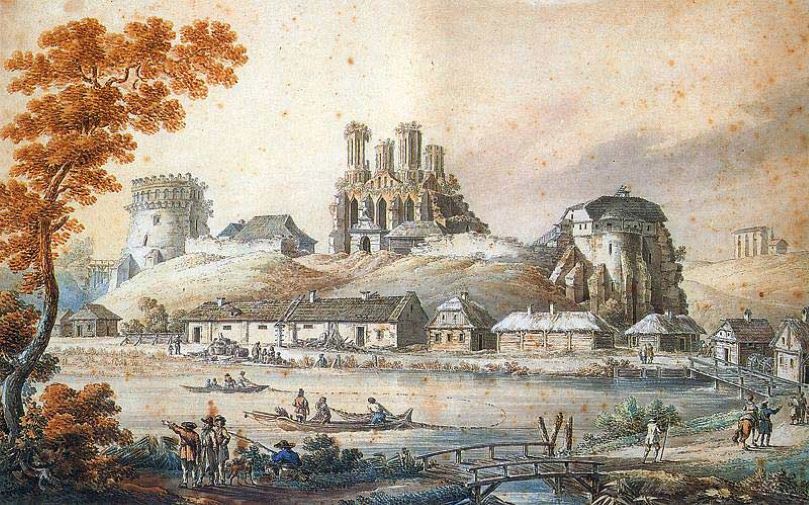
Острозький замок, малюнок Зиґмунта Фоґеля, 1796 рік

Прес, чорнило, три гармати. Пригоди славного мандрівного друкаря Івана Федоровича
450 грн
Докладніше