


- Діяльність: Релігія
- Дата народження: 17 лютого 1892 року
- Дата смерті: 7 вересня 1984 року
- Навігатор: Повоєнний СРСР
Церковний діяч, єпископ Української греко-католицької церкви, кардинал католицької церкви, Митрополит Галицький та Архієпископ Львівський, Верховний Архієпископ Львівський — предстоятель Української греко-католицької церкви.
Коли в 1963 році після 18-літньої відсидки Йосиф Сліпий прибув до Риму, до його особи була прикута увага всієї світової преси. Світ прагнув героя, відчував тугу за моральною величчю, потребував позитивного прикладу. Для самого Йосифа Сліпого це чудесне перетворення із в’язня мордовських таборів на людину світової слави було лише черговим знаком Божого провидіння. Усе життя він лишався вірний своїй місії: служити Богу і Україні.
«Цей не відступить»
За переказами, пращур Йосифа Сліпого бився на боці Івана Мазепи під Полтавою, за що його осліпили вояки Петра І. Звідти й пішло родинне прізвище Сліпий. Сам майбутній кардинал був восьмою (останньою) дитиною в родині Івана Коберницького-Сліпого й Анастасії Дичковської.
Закінчивши з відзнакою тернопільську гімназію в 1912 році, Йосип Сліпий вступив до Львівської греко-католицької духовної семінарії та університету. Вступні іспити приймав митрополит Андрей Шептицький, який потім висвятить Йосифа в ієреї й пошле на навчання в Інсбрукський університет, а далі — до Рима.
У 1922 році доктор філософії й теології Йосиф Сліпий повернувся до Львова і став професором, а згодом і ректором Львівської духовної семінарії, що переросла в академію. На той час він був фактично правою рукою Шептицького. Придивляючись до молодого й енергійного ректора, митрополит дедалі більше утверджувався в рішенні зробити його своїм наступником. Крім високої освіченості й організаторських здібностей, він побачив у Сліпому ще одну визначальну рису: цілісність характеру й відданість справі. «Цей не відступить, — говорив Шептицький про Сліпого. — Загине, а не відступить».
У грудні 1939 року за рекомендацією і на прохання митрополита папа Пій Х надав Йосифу Сліпому титул архієпископа і коад’ютора, тобто законного спадкоємця глави помісної церкви. Сам Сліпий прийняв титул як черговий обов’язок. «У час гоніння свячення не є честю, а в певній мірі тягарем», — писав він через три роки після того.
Велет духу в арештантській робі
Цілковито усвідомити правдивість цих слів Сліпому випаде в 1944 році, після смерті Андрея Шептицького. У грудні брат митрополита Климентій Шептицький передав на ім’я Сталіна та Раднаркому листи з проханням не перешкоджати діяльності греко-католицьких храмів, монастирів, духовних закладів. Керівництво ради, заручившись підтримкою Молотова та Хрущова, дало згоду на діяльність УГКЦ, прийнявши від делегації 100 тисяч карбованців у фонд Червоного Хреста. Однак уже в березні 1945 року уніатську церкву назвали «агентом Ватикану», а через рік узагалі проголосили поза законом, передавши всі парафії РПЦ. Головною причиною цього стала величезна роль УГКЦ у боротьбі УПА проти військ НКВС, яка тривала на Західній Україні.
У 1945 році Йосифа Сліпого арештували вперше. Йому приписали контрреволюційну діяльність, шпигунство на користь Ватикану, паразитичне життя за рахунок народу і засудили до восьми років. Потім було ще три терміни. Кожен — за продовження пастирської праці.
Навіть у тюрмі Йосиф Сліпий лишався беззаперечним авторитетом. Колишній майор Червоної Армії Шифрін писав: «Ми розуміли, що радянська влада ніколи не звільнить того, хто був для українців духовним прапором… Митрополит Сліпий виглядав велично навіть в арештантській одежі… Спокійний, висококультурний, він сидів у радянських таборах… у тому кипучому казані “злодійської каламуті” вже друге десятиріччя і був дуже хворий… але тримався непохитно і намагався не бути тягарем нікому, а допомагати іншим». Його поважали навіть кримінальні ув’язнені: коли одного дня нарядчик вигнав 60-літнього митрополита на роботу за зону, в’язні застрайкували, а нарядчика попередили, що зроблять самосуд.
Але найперше його слова чекали на волі. Митрополит знаходив різні способи залишатися в таборі відданим пастирем своєї спільноти. Він примудрявся навіть готувати й передавати на волю напередодні Великодня освячене миро. Збереглися листи, де він просить прислати йому різні трави й олії. Там, у тюрмі, Сліпий готував миро, освячував, а потім передавав як ліки, що «не підійшли, але хай будуть вам, щоб не пропали».
Бог і Україна
У 1962 році Сліпого засудили до довічного ув’язнення в мордовських таборах суворого режиму. Однак доля повернулася інакше. У 1963 році Хрущов зробив широкий жест і погодився передати Сліпого Риму. За три дні митрополита доправили до Москви — навіть із рідними не вдалося попрощатися. А звідти – до Рима. Усі ці три дні він нічого не їв і пив тільки воду з крана — боявся, щоб не отруїли.
Понад двадцять років Йосиф Сліпий працював у Римі заради розбудови УГКЦ. Його удостоїли звання кардинала, звели у сан Верховного архієпископа УКЦ, він був членом Святої Конгрегації (Ватиканської комісії) Східних Церков. Він побудував Український католицький університет, собор Святої Софії в Римі, заснував духовну семінарію, українську парафію в Римі, започаткував переклади літургійних книг українською. Він уперше заговорив на весь світ про Україну й українську церкву — й у 1977 році на трибуналі академіка Сахарова, і під час десятків, сотень поїздок по всьому світу. Його творча спадщина — 18 томів філософських праць, промов, роздумів.
Йосиф Сліпий зробив надзвичайно багато для примирення та єднання греко-католиків із православними. Він мріяв про «церковне з’єдинення у здвигненні Патріархату Української Церкви». Головним постулатом цього єднання мали стати дві істини: Бог і Україна. «Найбільша наша сила — це єдність, — писав він. — Ця єдність переходить вузькі межі часу і простору. Вона сягає в тисячоліття нашого християнства, в дальші навіть століття нашого народу. Любов до Батьківщини є природним обов’язком кожної людини… Не є досконалим християнином той, хто по думці Божій не любить всеціло свого народу… Тому продовжуйте працю і молитву, щоб Господь благословив труди батьків ваших. Ще багато осталось зробити, виконати, здобути. Диявол одного тільки бажає — щоб ми нічого не робили. Це йому досить, а він зробить решту».
Українська греко-католицька церква ініціювала процес канонізації Йосифа Сліпого та Андрея Шептицького. А люди давно вже канонізували Сліпого у своїх серцях. Коли домовину з його тілом перевозили до Львова, до собору Святого Юра прийшло стільки людей, що Львів, який пам’ятав велелюдні мітинги 90-х, не міг приховати свого здивування:
– Бабуню, а чого ви приїхали?
– Йой, дитино, сьвітого хоронют.
– Бабуню, але його не визнали ще за святого.
– Та шо ти, молоде, знаєш. Не видиш кілько людей? Він ніби мертвий, а живіший від нас живих. Кажу тобі, сьвітий, ай-я.
Джерело: Український інститут національної пам’яті.
Біблійний Йосиф України (до річниці від дня народження Йосипа Сліпого)
Josyf Slipyj
Activity: Religion
Date of Birth: February 17, 1892
Date of Death: September 7, 1984
Navigator: Post-war USSR
Church Figure, Bishop of the Ukrainian Greek Catholic Church, Cardinal of the Catholic Church, Metropolitan of Halych and Archbishop of Lviv, Major Archbishop of Lviv — Head of the Ukrainian Greek Catholic Church.
When Josyf Slipyj arrived in Rome in 1963 after serving 18 years in prison, the attention of the entire global press was riveted on him. The world craved a hero, felt a longing for moral grandeur, and needed a positive example. For Josyf Slipyj himself, this miraculous transformation from a prisoner of Mordovian camps into a figure of world renown was merely another sign of Divine Providence. Throughout his entire life, he remained faithful to his mission: to serve God and Ukraine.
“This One Will Not Back Down”
According to legend, an ancestor of Josyf Slipyj fought on the side of Ivan Mazepa at the Battle of Poltava, for which he was blinded by the soldiers of Peter I. This is where the family surname, Slipyj (meaning “blind”), originated. The future cardinal himself was the eighth (and last) child in the family of Ivan Kobernytskyi-Slipyj and Anastasiia Dychkovska.
After graduating with honors from the Ternopil Gymnasium in 1912, Josyf Slipyj entered the Lviv Greek Catholic Theological Seminary and University. His entrance exams were administered by Metropolitan Andrey Sheptytsky, who would later ordain Josyf into the priesthood and send him to study at the University of Innsbruck, and subsequently to Rome.
In 1922, Doctor of Philosophy and Theology Josyf Slipyj returned to Lviv and became a professor, and later the rector of the Lviv Theological Seminary, which eventually grew into an academy. At that time, he was effectively Sheptytsky’s right-hand man. Observing the young and energetic rector, the Metropolitan grew increasingly firm in his decision to make him his successor. In addition to high education and organizational skills, he saw another defining trait in Slipyj: integrity of character and devotion to the cause. “This one will not back down,” Sheptytsky said of Slipyj. “He will perish, but he will not back down.”
In December 1939, upon the recommendation and request of the Metropolitan, Pope Pius XII granted Josyf Slipyj the title of Archbishop and Coadjutor, making him the legitimate successor to the head of the local church. Slipyj himself accepted the title as just another duty. “In times of persecution, ordination is not an honor, but to some extent, a burden,” he wrote three years later.
A Giant of Spirit in a Prisoner’s Garb
Slipyj would fully realize the truth of these words in 1944, following the death of Andrey Sheptytsky. In December, the Metropolitan’s brother, Klymentiy Sheptytsky, sent letters addressed to Stalin and the Council of People’s Commissars, requesting them not to obstruct the activities of Greek Catholic churches, monasteries, and theological institutions. The council’s leadership, backed by Molotov and Khrushchev, consented to the UGCC’s operations and accepted 100,000 rubles from the delegation for the Red Cross fund. However, by March 1945, the Uniate Church was branded an “agent of the Vatican,” and a year later, it was outlawed entirely, with all its parishes forcibly transferred to the Russian Orthodox Church (ROC). The main reason for this was the immense role of the UGCC in the Ukrainian Insurgent Army’s (UPA) struggle against NKVD troops, which was raging in Western Ukraine.
In 1945, Josyf Slipyj was arrested for the first time. He was charged with counter-revolutionary activity, espionage for the Vatican, and living a parasitic life at the expense of the people, and was sentenced to eight years. Three more sentences followed. Each was for continuing his pastoral work.
Even in prison, Josyf Slipyj remained an unquestionable authority. Former Red Army Major Shifrin wrote: “We understood that the Soviet regime would never release someone who was a spiritual banner for Ukrainians… Metropolitan Slipyj looked majestic even in prisoner’s clothes… Calm, highly cultured, he sat in the Soviet camps… in that boiling cauldron of ‘thieves’ chaos’ for his second decade already, and he was very ill… yet he held his ground steadfastly and tried not to be a burden to anyone, but to help others.” Even the criminal inmates respected him: when an overseer forced the 60-year-old Metropolitan to perform labor outside the camp zone one day, the prisoners went on strike and warned the overseer that they would take justice into their own hands.
Yet, most of all, his words were awaited by those at liberty. The Metropolitan found various ways to remain a devoted pastor to his community while in the camp. He even managed to prepare and smuggle consecrated holy chrism (myro) out of the camp on the eve of Easter. Letters have survived in which he asks to be sent various herbs and oils. There in prison, Slipyj prepared the chrism, blessed it, and then passed it along disguised as medicine that “did not suit him, but let it be yours so it doesn’t go to waste.”
God and Ukraine
In 1962, Slipyj was sentenced to life imprisonment in the strict-regime camps of Mordovia. However, fate took a turn. In 1963, Khrushchev made a grand gesture and agreed to release Slipyj to Rome. Within three days, the Metropolitan was brought to Moscow—he was not even allowed to say goodbye to his relatives—and from there, to Rome. Throughout those three days, he ate nothing and drank only tap water, fearing he might be poisoned.
For over twenty years, Josyf Slipyj worked in Rome to rebuild the UGCC. He was elevated to the rank of Cardinal and named the Major Archbishop of the Ukrainian Catholic Church, and he served as a member of the Sacred Congregation (Vatican Commission) for the Oriental Churches. He built the Ukrainian Catholic University and the St. Sophia Cathedral in Rome, founded a theological seminary and a Ukrainian parish in Rome, and initiated the translation of liturgical books into Ukrainian. He was the first to speak to the entire world about Ukraine and the Ukrainian church—both at Andrei Sakharov’s 1977 tribunal and during dozens, hundreds of journeys across the globe. His creative legacy spans 18 volumes of philosophical works, speeches, and reflections.
Josyf Slipyj did an extraordinary amount to foster reconciliation and unity between Greek Catholics and Orthodox Christians. He dreamed of a “church unification in the raising of the Patriarchate of the Ukrainian Church.” The main pillars of this unity were to be two truths: God and Ukraine. “Our greatest strength is unity,” he wrote. “This unity transcends the narrow boundaries of time and space. It reaches back into the millennium of our Christianity, and even further back into the centuries of our people. Love for the Motherland is a natural duty of every human being… One is not a perfect Christian if, according to God’s mind, they do not love their people wholeheartedly… Therefore, continue your work and prayer so that the Lord may bless the labors of your fathers. There is still much left to do, to fulfill, to achieve. The devil desires only one thing—that we do nothing. That is enough for him, and he will do the rest.”
The Ukrainian Greek Catholic Church has initiated the process of canonization for Josyf Slipyj and Andrey Sheptytsky. But in their hearts, the people canonized Slipyj long ago. When the coffin with his body was transferred to Lviv, so many people gathered at the St. George’s Cathedral that Lviv, which well remembered the massive rallies of the 1990s, could not conceal its astonishment: — Grandma, why did you come here? — Oh, child, they are burying a saint. — Grandma, but he hasn’t been recognized as a saint yet. — Oh, what do you young ones know. Don’t you see how many people are here? He may be dead, but he is more alive than we living ones. I’m telling you, he’s a saint, aye.
Source: Ukrainian Institute of National Remembrance. The Biblical Joseph of Ukraine (for the anniversary of the birth of Josyf Slipyj)
Пов’язані матеріали


Йосиф Сліпий з Папою Іваном XXIII 1963 року
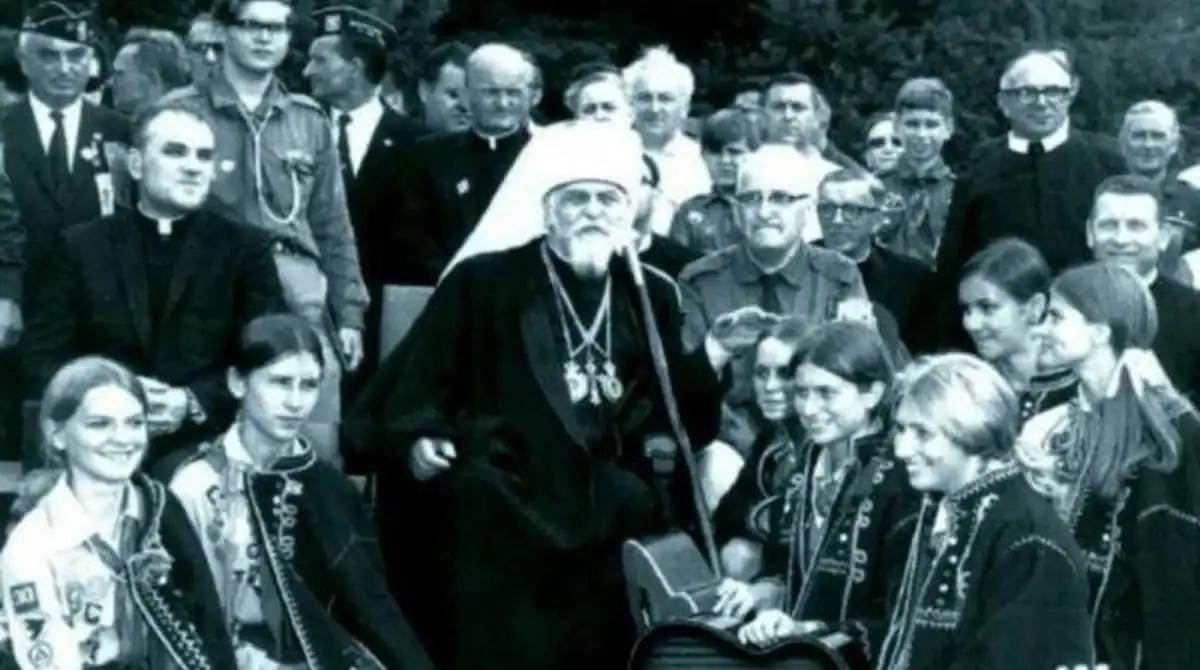
Йосип Сліпий у пластовій оселі «Вовча Тропа» в Іст Четгам, штат Нью-Йорк. Праворуч від нього — пластунка Квітка Цісик, 1968 рік

Йосиф Сліпий і Папа Павло VІ

Ректор Греко-Католицької Богословської Академії у Львові о. Йосиф Сліпий разом з викладачами і студентами цієї Академії, 1936 року
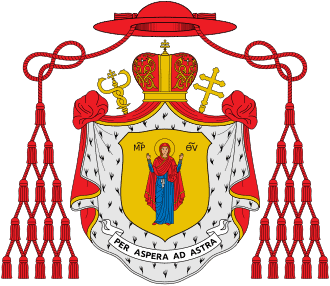
Єпископський герб Патріарха Йосифа Сліпого

Мармуровий медальон із портретом Йосифа Сліпого на пілоні в інтер’єрі Собору Святого Юра у Львові. Художник Любомир Медвідь. 1996 року
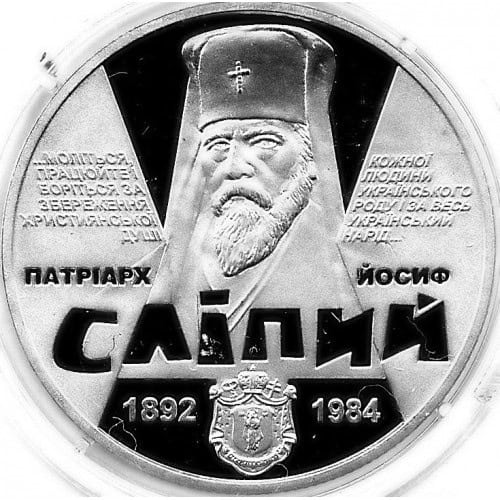
Пам’ятна монета НБУ номіналом 2 грн, присвячена Йосифові Сліпому
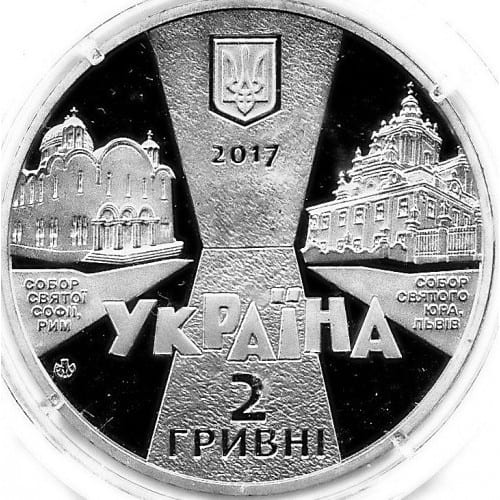
Пам’ятна монета НБУ номіналом 2 грн, присвячена Йосифові Сліпому

Йосиф Сліпий під час арешту

Похід-прощання з Патріархом. Львів, 1992 року
Відео
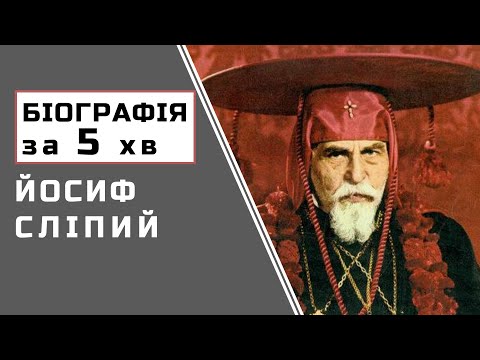
Йосиф Сліпий | Біографія | Цікаві Факти
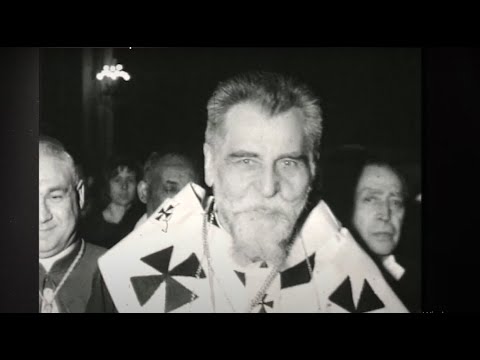
Документальний фільм «Блаженніший» | про життя патріарха Йосифа Сліпого
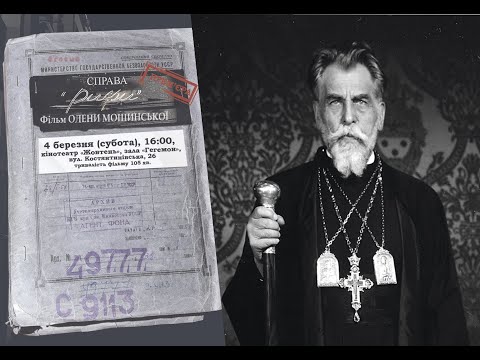
Документальний фільм “Справа “Рифи” | Блаженніший ЙОСИФ СЛІПИЙ
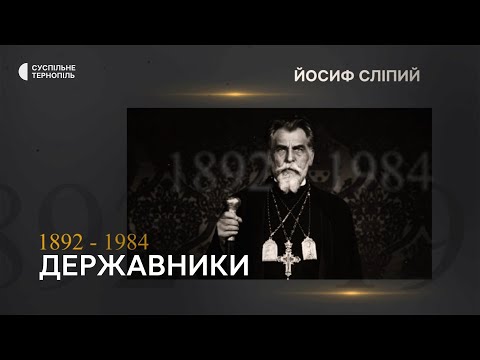
Прагнув об’єднати українців – побував з пастирським візитом у 30 країнах світу
Цікаво почитати

Образи митрополита Андрея Шептицького в публіцистиці й історіографії української діаспори, 1944–1989
325 грн
Докладніше
Митрополит Андрей Шептицький і нацистський режим. 1941–1944. Між християнськими ідеалами і політичними реаліями
435 грн
Докладніше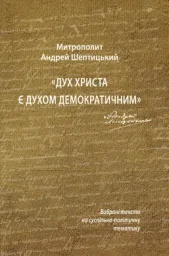
Дух Христа є духом демократичним (Митрополит Андрей Шептицький)
380 грн
Докладніше
Бандера. Портрет на тлі епохи. Перша спроба наукової біографії (м)
295 грн
Докладніше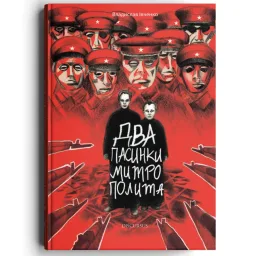
Два пасинки митрополита
600 грн
Докладніше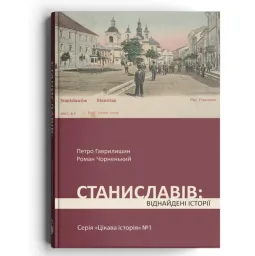
Станиславів: віднайдені історії
240 грн
Докладніше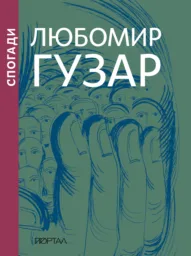
Любомир Гузар. Спогади (подарункове)
1200 грн
Докладніше
Любомир Гузар. Спогади
440 грн
Докладніше