
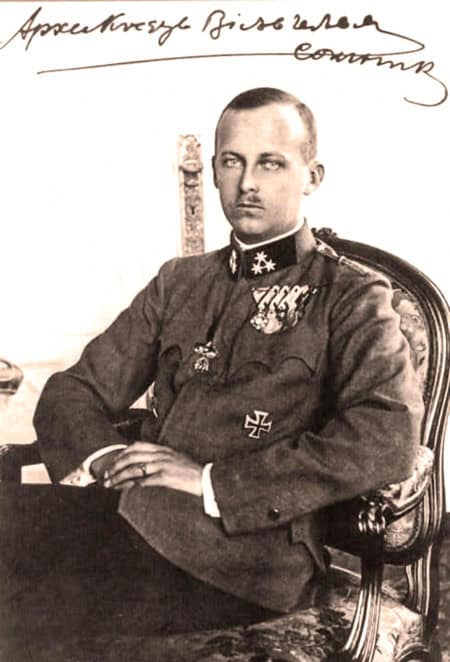
- Діяльність: Державна діяльність
- Дата народження: 10 лютого 1895 року
- Дата смерті: 18 серпня 1948 року, Київ
- Навігатор: Світові війни
Австрійський ерцгерцог із династії Габсбургів, політик, дипломат, поет, полковник Легіону Українських січових стрільців та армії УНР.
Василь Вишиваний — некоронований король України, що походив із Австро-Угорської династії Габсбургів. Його справжнє ім’я — Вільгельм Франц фон Габсбург-Лотаринзький.
Василь виростав поза Україною: народився у Хорватії, навчався у Відні. З українцями чи не вперше він зіткнувся вже на полях Першої світової війни. Після закінчення військової академії в 1915 році архикнязь отримав звання лейтенанта. Його відправили служити до 13-го полку уланів, де проходили службу переважно українці.
Габсбурги, на відміну від Романових, були далекоглядними. Вони не мали сумніву, що їхня імперія рано чи пізно розпадеться. Але їм важливо було, щоб на чолі нових держав, які постануть на уламках їхньої імперії, опинилися правителі з їхнього роду. У випадку української держави на цю роль вибрали Василя Вишиваного.
Зі свого боку, українські політики Галичини і Буковини прагнули налагодити доброзичливі відносини з Василем Вишиваним як із представником імператорської родини. Порозуміння з ним забезпечувало підтримку в реалізації важливої ідеї — створити окремий український край у межах Австро-Угорської імперії. Вони не могли вимагати виходу зі складу імперії, адже це означало б сепаратизм і державну зраду. Тому лише сподівалися, що австрійці та німці можуть допомогти їм створити незалежну українську державу по другу сторону австрійсько-російського кордону. Зокрема, йшлося про землі Північної Буковини та Східної Галичини, населені українцями.
Із виходом Російської імперії із війни й підписанням Берестейського договору у складі австро-угорської армії створили «Групу архікнязя Вільгельма». До неї увійшов також і батальйон Українських січових стрільців. Група дислокувалася на півдні України. У той час в Україні була влада гетьмана Павла Скоропадського, який остерігався конкуренції з боку Вільгельма. Гетьман надсилав до Відня скарги на діяльність члена імператорської сім’ї і просив вивезти його з України.
В архівно-слідчій справі від 1948 року сам Василь Вишиваний свідчив, що зустрічався з полковниками армії УНР — Болбочаном, Гнатівим та Петрівим. Вони пропонували очолити повалення влади Павла Скоропадського. Зі слів самого Вільгельма, він відмовився. Також були плани щодо одруження однієї з дочок гетьмана з Вільгельмом, але й вони не були втілені.
Після повалення влади Павла Скоропадського Вільгельм Габсбург співпрацював з урядом Директорії УНР. У вересні 1919 року був призначений головою відділу закордонних зв’язків Головного управління Генерального штабу УНР, отримав звання полковника армії УНР. Але діяльність архікнязя як урядовця була недовгою. Він негативно сприйняв Варшавський договір між УНР та Польщею, який уклали Петлюра з Пілсудським. Тому на знак протесту виїхав з України до Австрії, а згодом Іспанії та Франції.
Серед емігрантських кіл Вільгельм отримав популярність як ідеаліст та мрійник. Він випустив поетичну збірку «Минають дні» українською мовою, де висловлював любов до України та жалкував про її втрату.
Міжвоєнний час архікнязь прожив у Європі (Франції та Іспанії), де займався рієлторською діяльністю і залишався поза політикою. Трохи пізніше Вільгельм придбав завод із виробництва фарб та лаків.
Під час Другої Світової архікнязь також не займався політикою активно. Під час окупації Відня у 1947 році його арештувала Червона армія. Приводом для арешту стала зустріч із французьким офіцером. Вільгельма Габсбурга звинуватили в співпраці з французькою розвідкою та зв’язках з ОУН.
Арештованого архикнязя перевезли в Київ, у Лук’янівську в’язницю. Під час перебування у тюрмі Вільгельм захворів на сухоти та невдовзі помер (19 серпня 1948 року). Точне місце поховання Василя Вишиваного невідоме.
Автори: Ігор Цеунов, Валентина Мержиєвська, Олександр Маєвський
Vasyl Vyshyvanyi
Activity: State activity
Date of birth: February 10, 1895
Date of death: August 18, 1948, Kyiv
Navigator: World Wars
Austrian archduke from the Habsburg dynasty, politician, diplomat, poet, colonel of the Legion of Ukrainian Sich Riflemen and the army of the UNR.
Vasyl Vyshyvanyi is an uncrowned king of Ukraine, who descended from the Austro-Hungarian Habsburg dynasty. His real name is Wilhelm Franz von Habsburg-Lothringen.
Vasyl grew up outside of Ukraine: he was born in Croatia, studied in Vienna. He encountered Ukrainians almost for the first time already on the fields of the First World War. After graduating from the military academy in 1915, the archduke received the rank of lieutenant. He was sent to serve in the 13th Uhlan Regiment, where predominantly Ukrainians served.
The Habsburgs, unlike the Romanovs, were far-sighted. They had no doubt that their empire would collapse sooner or later. But it was important for them that rulers from their family would end up at the head of the new states that would arise on the ruins of their empire. In the case of the Ukrainian state, Vasyl Vyshyvanyi was chosen for this role.
For their part, Ukrainian politicians of Galicia and Bukovina sought to establish friendly relations with Vasyl Vyshyvanyi as a representative of the imperial family. Mutual understanding with him ensured support in the realization of an important idea — to create a separate Ukrainian region within the Austro-Hungarian Empire. They could not demand secession from the empire, as this would mean separatism and high treason. Therefore, they only hoped that the Austrians and Germans could help them create an independent Ukrainian state on the other side of the Austrian-Russian border. In particular, it concerned the lands of Northern Bukovina and Eastern Galicia, inhabited by Ukrainians.
With the exit of the Russian Empire from the war and the signing of the Treaty of Brest-Litovsk, the “Group of Archduke Wilhelm” was created within the Austro-Hungarian army. It also included the battalion of Ukrainian Sich Riflemen. The group was deployed in the south of Ukraine. At that time, the power in Ukraine belonged to Hetman Pavlo Skoropadskyi, who feared competition from Wilhelm. The Hetman sent complaints to Vienna regarding the activities of the member of the imperial family and asked to remove him from Ukraine.
In the archival investigative file from 1948, Vasyl Vyshyvanyi himself testified that he met with the colonels of the UNR army — Bolbochan, Hnativ, and Petriv. They offered to lead the overthrow of Pavlo Skoropadskyi’s power. According to Wilhelm himself, he refused. There were also plans regarding the marriage of one of the hetman’s daughters to Wilhelm, but they were not implemented either.
After the overthrow of Pavlo Skoropadskyi’s power, Wilhelm Habsburg cooperated with the government of the Directorate of the UNR. In September 1919, he was appointed head of the foreign relations department of the Main Directorate of the General Staff of the UNR, received the rank of colonel of the UNR army. But the activity of the archduke as a government official was short-lived. He negatively perceived the Treaty of Warsaw between the UNR and Poland, which was concluded by Petliura and Piłsudski. Therefore, as a sign of protest, he left Ukraine for Austria, and later Spain and France.
Among emigrant circles, Wilhelm gained popularity as an idealist and a dreamer. He released a poetry collection “Days pass” in the Ukrainian language, where he expressed love for Ukraine and regretted its loss.
The interwar period the archduke lived in Europe (France and Spain), where he was engaged in real estate activities and remained outside of politics. A bit later, Wilhelm purchased a factory for the production of paints and varnishes.
During the Second World War, the archduke also did not actively engage in politics. During the occupation of Vienna in 1947, he was arrested by the Red Army. The pretext for the arrest was a meeting with a French officer. Wilhelm Habsburg was accused of cooperation with French intelligence and connections with the OUN.
The arrested archduke was transferred to Kyiv, to the Lukyanivka prison. During his stay in prison, Wilhelm fell ill with tuberculosis and died shortly after (August 19, 1948). The exact burial place of Vasyl Vyshyvanyi is unknown.
Authors: Ihor Tseunov, Valentyna Merzhyievska, Oleksandr Maievskyi
Пов’язані матеріали


Сімейне фото архікнязів Габсбургів-Лотаринзьких 1896 року. Вільгельм наймолодший з шести дітей на руках матері Марії Терези

Вільгельм Габсбург у Снятині під час національно-визвольних змагань. 1917 року

Василь Вишиваний і митрополит Андрей Шептицький

Гужковський Казимир, Андрей Шептицький та Вільгельм Габсбург, Січень 1918 року

Справа наліво Вільгельм Габсбург, Андрей Шептицький, Казимир Гужковський

Василь Вишиваний з другом на гірськолижному курорті, 1930-ті роки

Вільгельма Габсбурга у статті французької газети Le Populaire, 1935 рік. Автор фото Ольга Ковтун

Вірш Василя Вишиваного з його поетичної збірки «Минають дні». Джерело архів ЦДАВО України

Василь Вишиваний та Петро Шекерик-Доників. 1919 рік. Фото з архіву ЦДАВО України

Василь Вишиваний. Фото з архіву ЦДАВО України
Відео
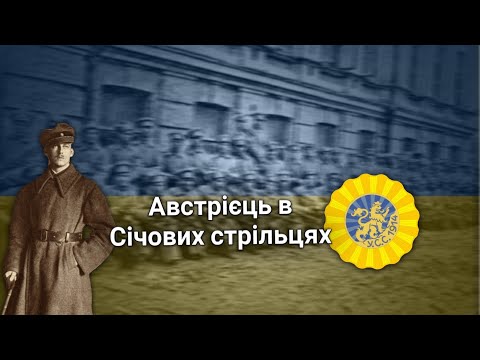
Василь Вишиваний – Австрієць у Січових стрільцях | Історія | History
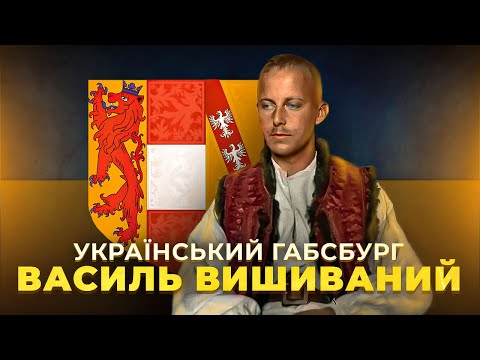
Василь Вишиваний – австрійський ерцгерцог, який став патріотом України // Історична постать
Цікаво почитати
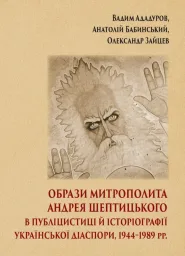
Образи митрополита Андрея Шептицького в публіцистиці й історіографії української діаспори, 1944–1989
325 грн
Докладніше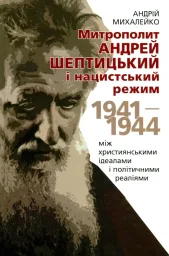
Митрополит Андрей Шептицький і нацистський режим. 1941–1944. Між християнськими ідеалами і політичними реаліями
435 грн
Докладніше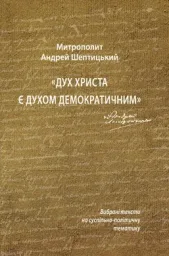
Дух Христа є духом демократичним (Митрополит Андрей Шептицький)
380 грн
Докладніше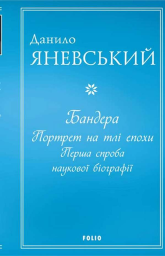
Бандера. Портрет на тлі епохи. Перша спроба наукової біографії (м)
315 грн
Докладніше
Два пасинки митрополита
635 грн
Докладніше
Станиславів: віднайдені історії
255 грн
Докладніше
Любомир Гузар. Спогади
650 грн
Докладніше