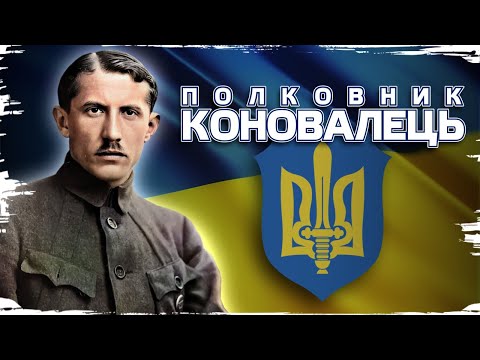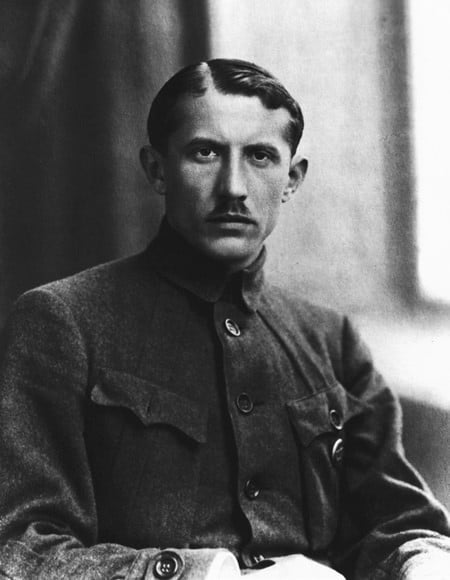
- Діяльність: Державна діяльність, Політика
- Дата народження: 14 червня 1891 року
- Дата смерті: 23 травня 1938 року
- Навігатор: Світові війни
Державний, військовий та політичний діяч, полковник Армії УНР, командир Січових Стрільців, член Стрілецької Ради, командант Української військової організації, голова Проводу українських націоналістів, засновник та перший голова Організації українських націоналістів.
Мрією, якій він присвятив усе життя, була вільна Самостійна Соборна Українська Держава. Євген Коновалець і сам був уособленням цієї соборності: народжений на Галичині, він став однією із найяскравіших постатей Української революції 1917–1921 років на Наддніпрянщині. Він був природженим організатором і дипломатом: саме його таланти й авторитет зробили Січових Стрільців (курінь, полк, дивізію) однією з найбільш боєздатних українських військових формацій, УВО — реальною українською підпільною бойовою силою, а ОУН — потужним пропагандистським і політичним проєктом, здолати який виявилося не під силу ні польським спецслужбам, ні радянському репресивному апарату.
«В ньому замикалося 20 літ історії багатомільйонового і упертого народу, що, раз прокинувшись зо сну, вже не перестав, не зважаючи на рани й кров, натискати на залізну браму, зведену світовими переможцями, яка замикала йому шлях у майбутнє. Для нас було в цьому імені все — і стуготіння стотисячного українського селянського війська, що йшло зимовими шляхами на здобуття столиці, і підземні здригання двох дальших десятиліть», — писав про Євгена Коновальця один з провідних діячів ОУН(м) Олег Ольжич.
А водночас він був звичайною людиною, любив свою родину, мандрівки, умів знаходити спільну мову з різними людьми. Багато курив і любив шоколад. Останній факт зіграв у його житті фатальну роль.
«Три найважливіші моменти моєї молодості: професор Боберський, акт Мирослава Січинського та знайомство з наддніпрянською еміґрацією»
Євген Коновалець був дитиною свого часу й увібрав тверді моральні принципи та готовність до самопожертви в ім’я ідеї, притаманні тодішній українській інтелігенції. Він не обирав свою долю, однак раз ставши на шлях боротьби за Україну, не зійшов з цього шляху до кінця життя.
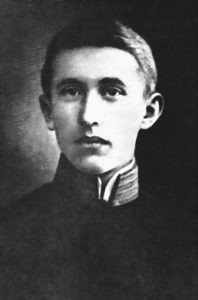
Народився майбутній полководець 14 червня 1891 року в селі Зашкові поблизу Львова. Предки Євгена були священиками, але батько, Михайло Коновалець, змінив духовну стезю на освітянську, ставши директором народної школи в рідному селі. Мама Марія, що походила з українського священичого роду Венгриновських, викладала в ній шиття, медицину та правила гігієни. В цій же школі закінчив перші три класи і Євген. Також у дитинстві на хлопця мали великий вплив два батькових брати: отець Володимир Коновалець, парох села Малехів, та отець Орест Коновалець, парох села Страдче. Усі вони були активними в українському житті, намагалися нести людям просвіту й самоусвідомлення.
Продовжив навчання Євген Коновалець в українській Академічній гімназії у Львові. Вчився він добре, як згадував Остап Грицай, «був більш ніж другий у клясі» — і, зокрема, багато читав. До речі, в той час у гімназії викладав один із головних пропагандистів «тіловиховання» в Галичині та засновників спортивного товариства «Сокіл-Батько» Іван Боберський, який згуртував навколо себе активну молодь (учасниками товариства «Сокіл-Батько» були й два сини Івана Франка, Петро і Тарас). Боберський займався не лише фізичним вихованням, а й був одним із найкращих германістів у Галичині — йому Євген як приватну лектуру здав усього Ібсена, у творах якого його зацікавила «боротьба вищої одиниці з громадою, […] люди, що шукали чогось нового». Крім того, Боберський став реформатором системи навчання, сприймаючи гімназистів як рівних, як партнерів, стимулюючи їх до дискусії та пошуку правди, що на той час було абсолютним новаторством. Пізніше сам Коновалець так напише про той час: «Три найважливіші моменти моєї молодості це: професор Боберський, акт Мирослава Січинського та знайомство з наддніпрянською еміґрацією» (великий вплив на нього справили праці Дмитра Донцова, який в той час справді перебував у Галичині на еміграції).
Євген теж не лишається осторонь громадського життя. Склавши в гімназії матуру (іспити на атестат зрілості), стає секретарем львівської філії «Просвіти» і поширює просвітницьку роботу в рідному селі Зашкові та навколишніх селах, які тоді під впливом російської пропаганди стояли на москвофільських позиціях: відкриває хати-читальні, осередки «Просвіти» та товариства «Сокіл-батько».
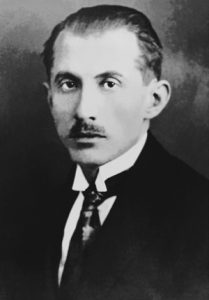
Записується на студії права до Львівського університету, паралельно пройшовши ще й повний курс історії України під керівництвом професора Михайла Грушевського (певний пієтет до Михайла Сергійовича збережеться в Коновальця на все життя, що позначиться на його ставленні до діяльності Центральної Ради). При цьому встигає працювати у лавах Студентського союзу, товариства «Січ», пише статті в часописі «Молода Україна», який базувався на національно-патріотичних позиціях, інші видання. Долучається до боротьби за відкриття українського університету у Львові, приймає «бойове хрещення», коли його ненадовго арештовують як активіста молодіжної фракції Української національно-демократичної партії, що виступала за українізацію вищої освіти в Галичині.
«Політичних переконань задля задоволення малоросів не міняю»
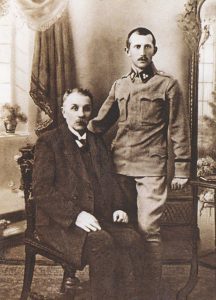
На той час Євген Коновалець зовсім не думав про військову кар’єру. Швидше за все, якби не Перша світова війна, він став би вчителем чи адвокатом, можливо, як майбутній президент ЗУНР Євген Петрушевич, відстоював би права українців в Австрійському парламенті. Але 1914 рік круто змінив не лише його долю.
Ще в 1912 році Коновальця призивають до служби в австрійській армії. Відслуживши рік в старшинській школі у Львові, він зі ступенем четаря («лейтенанта») повертається закінчувати перервані студії. У 1914-му, коли спалахує війна, починає формуватися український Легіон Січових Стрільців, тож Коновалець подає рапорт туди. Але йому відмовляють — на той час австрійський уряд побоювався створення масових українізованих збройних сил, тож із 18 тисяч запитів на вступ до «усусусів» українських добровольців було схвалено лише дві тисячі.
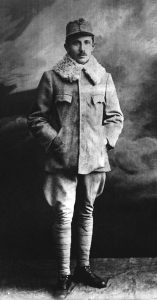
Доля все-таки зведе Євгена Коновальця з «усусусами», коли в серпні 1915 року їм разом доведеться протистояти росіянам у битві на горі Маківка, про яку пізніше складуть пісню. У цьому ж бою він потрапляє до російського полону і на два роки опиняється в Чорному Яру, таборі для полонених під Царициним (нині — Волгоград). Як офіцер, Коновалець має право вільно пересуватися між таборами, тож невдовзі знайомиться з багатьма полоненими, які опинилися в російській глибинці. Серед них — майбутній друг і соратник, його права рука і навіть родич Андрій Мельник (Коновалець та Мельник візьмуть за дружин двох рідних сестер, Ольгу та Софію, доньок адвоката Федака, який захищатиме членів Української військової організації на судових процесах у Польщі). Тоді ж, разом із Андрієм Мельником та іншими полоненими галицькими старшинами Іваном Чмолою, Романом Сушком, Василем Кучабським, Михайлом Матчаком, Федем Черником, Коновалець розгортає в таборах широку організаційну і пропагандистську роботу серед полонених-українців.
Революційні події лютого 1917 року сколихнули Російську імперію, яка затріщала по швах. Коновалець не став чекати, що скажуть їхні охоронці, і разом з побратимами вирушив до Києва на підмогу. Тут він долучився до створення Галицько-Буковинського куреня Січових Стрільців (цю назву вчорашні полонені галичани взяли на згадку про Легіон УСС, який став своєрідною легендою). На перших порах Коновалець навіть не претендував на якесь керівництво — організатором і командиром куреня від початку формування вважався сотник Василь Дідушок.
Але Дідушок не зміг налагодити дисципліну в підрозділі, і в січні 1918 року Стрілецька Рада призначила командиром Куреня УСС Євгена Коновальця. З того часу і до кінця Визвольних змагань Січові Стрільці будуть одним із найбільш мотивованих, дисциплінованих і професійних бойових підрозділів Армії УНР. Саме вони відіграють вирішальну роль у придушенні більшовицького заколоту на заводі «Арсенал», вони прикриватимуть відхід наших частин на початку лютого 1918-го і першими за місяць звільнятимуть Київ, вони стануть головною бойовою силою в антигетьманському повстанні і в подальшому захисті Києва та України.
Роль Січових Стрільців в Українській революції Євген Коновалець бачив так: «Національний легіон на службі законного, народом визнаного, національного уряду, без огляду на характер державного устрою та соціально-політичного законодавства, що його провадив би у життя той національний уряд».
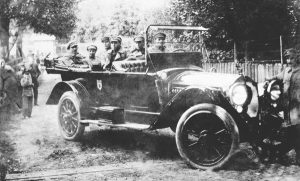
Тому, не прийнявши спочатку Гетьманату Скоропадського (він знав про можливий переворот іще за два тижні до нього і попереджав про це Грушевського — але поважний професор тоді не надав значення цим словам і заспокоїв колишнього студента, що все під контролем), Коновалець лише в серпні 1918-го присягнув новій владі за умови, що вона стоятиме на державницьких позиціях. Скоропадський Січових Стрільців відправив до Білої Церкви: по-перше, саме там зосереджувалися головні військові склади українського війська, а полковник Коновалець та його стрільці, як найбільш національно свідомі, могли гарантувати його захист і збереження, а по-друге, так було зручніше тримати їх подалі від інформаційного і політичного центру.
Цікаві спогади наводить один із чільних діячів Української революції Олександр Саліковський у книзі «Нова Україна»(1919): «Скоропадський екстренно викликав п. Коновальця з Білої Церкви й раптом запитав його, якої політичної ситуації він зараз тримається.
— Якщо ви стоїте на платформі української самостійності, то прошу вас негайно евакуюватися зі своїм полком у Галичину. Зараз перемогу на Україні взяли малороси, котрі прагнуть до Федерації. Якщо ви погоджуєтеся з цією позицією, то можете залишитися.
Полковник Коновалець заявив, що своїх політичних переконань задля задоволення малоросів він не міняє і волів би замість евакуації в Галичину захищати Київ».
Скоропадський тоді, за словами Саліковського, пригрозив роззброїти полк (на той час Галицько-Буковинський курінь розрісся до величини полку), але вже за кілька днів Січові Стрільці стали однією з головних сил антигетьманського повстання, а Коновалець після перемоги Директорії очолив Осадний корпус Січових Стрільців, який взяв у облогу Київ, звільняючи його від німців, гетьманців та білогвардійців.
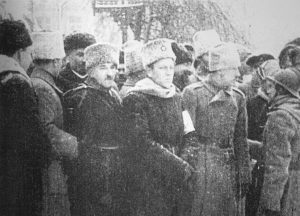
До речі, тоді ж, наприкінці 1918 року, до Коновальця звертаються галичани з проханням підтримати їх у боротьбі з поляками за український Львів. Але Коновалець лишається в Києві, переконуючи земляків, що «Шлях до вільного Львова лежить через вільний Київ». Він гаряче підтримує Акт Злуки УНР та ЗУНР 22 січня 1919 року і союз Армії УНР та УГА.
Утім для Української революції 1919 рік був схожий на гойдалку. Українські сили то відходили на Поділля, то в серпні звільняли Київ і значу частину території, то знову відступали. Коли наприкінці року Дієва армія УНР, змучена втратами та епідемією тифу, опиняється в «трикутнику смерті», Стрілецька Рада приймає рішення про саморозпуск Січових Стрільців і вільний вибір кожним подальшого шляху: частина бійців приєдналася до Першого зимового походу під проводом Михайла Омеляновича-Павленка, частина повернулася додому в Галичину чи потрапила до таборів для інтернованих.
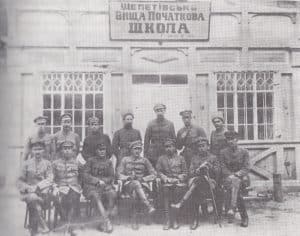
У такому таборі в Луцьку опиняється і полковник Коновалець. Там, до речі, користуючись можливістю вільного спілкування з інтернованими в різних таборах, він пропонує Петлюрі ще один проєкт: зібрати військо із числа українських бійців, які опинилися за кордоном — в Італії, Німеччині, Польщі. І починає працювати над його реалізацією. Але союз Петлюри з поляками і перехід Галичини під протекторат Польщі руйнує рештки порозуміння між УНР та ЗУНР і ставить хрест на цьому проєкті. А за деякий час — і на можливостях організованого збройного спротиву з боку Директорії. Україна остаточно виявляється розділеною між двома окупантами: більшовиками та поляками.
«Уміння ставити вище добро Нації і Організації над свою особу»
Звістку про союз Петлюри з поляками Коновалець зустрів у Празі. Для нього вже тоді було зрозуміло, що відкрита боротьба практично програна, але водночас він усвідомлював, що вона має тривати. У серпні 1920 року постала Військова Організація (пізніше вона змінить назву на Українська Військова Організація — УВО), через рік її офіційно очолив Євген Коновалець. Основу Організації становили колишні воїни, зокрема старшини січових стрільців. На початках УВО мала дві мети: підтримка зв’язків з українськими військовими командирами, які опинилися в еміграції, та створення підпільної агентурної мережі (переважно на теренах Галичини) для продовження боротьби радикальними методами.
Головним об’єктом протидії активістів УВО стала польська влада, яка на підконтрольних землях проводить жорстку політику пацифікації та дискримінації українського населення. У 1921 році члени УВО здійснили замах на маршалка Польщі Юзефа Пілсудського, а в 1924 році — замах на президента Польщі Станіслава Войцеховського. Також відбувалися напади на державні установи з метою експропріації грошей на потреби боротьби. Усі знову заговорили про українців і «українське питання».
Утім, не лише «ексами» та політичними замахами прославилася УВО. За короткий час в організації з’явилася розширена агентурна мережа, яка протидіяла Польщі на міжнародному рівні. Особливо тісною була співпраця з Литвою, яка теж потерпала від територіальних зазіхань Польщі (на той час «Вільненська область», як поляки називали Вільнюс та довколишні землі, були захоплені поляками в 1920 році). У Каунасі, який тоді був столицею Литви, діяло постійне представництво УВО.
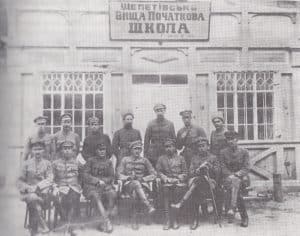
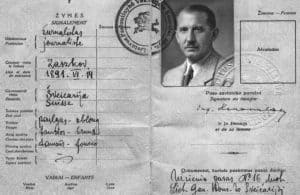
Така співпраця Литви та УВО мала користь для обох сторін. У 1925 році завдяки розвідданим групи УВО у Ґданську литовцям, які воювали з поляками, вдалося переправити до себе два підводні човни, куплені в Німеччині: маючи інформацію про розташування польських морських сил, литовські моряки успішно доправили субмарини до литовського порту. Наступного 1926 року литовське командування отримало від УВО інформацію про дислокацію польських військ на польсько-литовському кордоні, які свідчили про плани поляків напасти на Литву. Євген Коновалець попередив про це британський та німецький уряди, відвернувши таким чином військовий конфлікт. УВО натомість отримувало дипломатичну підтримку литовської влади — контакти, документи, фінансову допомогу. До речі, сам Коновалець теж мав литовський паспорт — українського громадянства він отримати не міг, а польського чи радянського не хотів принципово.
Міжнародні контакти Коновальця були надзвичайно широкими. І стосувалися вони не лише колишніх бойових побратимів по боротьбі, які опинилися за кордоном. УВО мало зв’язки з урядовими колами та спецслужбами Німеччини, Іспанії, Італії, Франції, Англії та Японії. На початках Коновалець намагався налагодити контакти з радянським урядом у Харкові з метою підтримки УВО, і навіть отримував деяку фінансову допомогу, але це тривало дуже короткий час. Польська розвідка відзначала, що підпільна мережа УВО тягнеться «від Барселони до Москви».
У 1926 році світ побачила книга Дмитра Донцова «Націоналізм», після чого по всій Європі, де була українська діаспора, почали виникати націоналістичні організації. І саме Євгену Коновальцю з його вмінням знаходити спільну мову з різними людьми, судилося в 1929 році об’єднати їх в Організацію Українських Націоналістів, бойовим ядром якої стала УВО (згодом ОУН розчинила в собі УВО, взявши її методи і розширивши сфери діяльності).
«Уміння ставити вище добро Нації і Організації над свою особу; супроти ворогів — безоглядність; супроти громади — усвідомлення про потребу гідної боротьби за волю. В Організації — щирість, не плазунство, а критика — для добра Організації, а не особистих амбіцій. Ми даємо новий почин і мусимо внести нові методи праці на українських землях», — говорив Коновалець. Ці слова та беззаперечний авторитет полковника, який визнавали і ветерани визвольних змагань, і молоді борці, змогли майже десятиліття, як магніт, утримувати організацію від внутрішніх конфліктів та протиріч, зумовлених різницею поглядів, які існували, з одного боку, між поколіннями, з іншого — різним досвідом життя в діаспорі та на окупованих територіях.
Смерть Коновальця у травні 1938 року лише підтвердила цю істину: уже за два роки ці конфлікти та протиріччя стануть настільки непримиренними, що це призведе не лише до розколу в середовищі ОУН, але й до кривавої боротьби між колишніми побратимами.
«Наша ціль — обезглавити рух українського фашизму напередодні війни і примусити цих бандитів знищувати одне одного в боротьбі за владу», — цей план Сталіна спрацював. Авторитету Андрія Мельника чи Степана Бандери виявилося недостатньо, щоб зупинити братовбивство.
«Цукерки з начинкою»
Чи можна було запобігти вбивству Євгена Коновальця? Відомий історик та дослідник життя цього державного діяча Іван Хома переконаний, що це було практично неможливо. Сталін бачив вплив Коновальця на українське середовище і розумів, що якщо й почнеться якийсь рук за Україну, то за цим стоятимуть саме люди Коновальця. Тому полковник був особистим ворогом диктатора і завдання щодо його ліквідації було поставлене органам ГПУ ще в 1930 році. «Коли ти точно є в розробці радянських спецслужб, то рано чи пізно, але це завдання буде виконано. Інше питання — коли і в який спосіб», — переконаний історик. Та й сам провідник ОУН визнавав, що «якщо мене ворог захоче вбити, ніяка сила мене не охоронить».
Ключі до Євгена Коновальця радянські спецслужби шукали довго. Він пережив чи щасливо уникнув кількох замахів. Але його підловили на бажанні поширити агентурну сітку ОУН і на підрадянську Україну. Розмірковуючи про це, Коновалець навіть не міг уявити, наскільки «під ковпаком» перебуває кожен громадянин УСРР. А особливо ті, хто мав найменше відношення до української боротьби.
Тому, коли на нього вийшов давній знайомий, колишній січовий стрілець, галичанин Василь Хом’як, з інформацією про існування українського націоналістичного підпілля на підрадянській території, полковнику й на думку не спало, що він — давно завербований агент радянських спецслужб і це — пастка. Операція тривала кілька років, протягом яких Коновальцю передавали фіктивні документи, листівки, пресу та інші «докази» існування такого підпілля.
Листування між Коновальцем та Хом’яком завершилося приїздом за кордон «його племінника», який представився як Павло Валюх, моряк радянського закордонного флоту, який має можливість без підозр бувати за кордоном, а тому може бути зв’язковим. Насправді під іменем Валюха ховався агент НКВД (а пізніше — керівник розвідувально-диверсійного управління НКВД СРСР, генерал КГБ) Павло Судоплатов. Він справляв враження амбітної і щирої людини, чудово розмовляв українською, тож невдовзі в ОУН його признали своїм і дали ймення «Петрусь» та «Вельмуд» (було іще кілька різних псевдо). «Петрусь» почав регулярно зустрічатися з Коновальцем, передавати інформацію, обговорювати плани. На останню зустріч в ресторані готелю «Атланта» 23 травня 1938 року «Вельмуд» прийшов із бомбою, виготовленою у Москві в «отделе оперативно-технических средств НКВД», замаскованою під коробку шоколадних цукерок з українським орнаментом.
Пізніше Судоплатов детально опише всі деталі підготовки цієї операції у своїх мемуарах «Записки небажаного свідка». Як і вбивство колишнього комісара внутрішніх справ та освіти Олександра Шумського, єпископа Мукачівської греко-католицької єпархії Теодора Ромжі та інші свої «подвиги». Після реабілітації в 1992 році він активно роздаватиме журналістам інтерв’ю і спокійно доживатиме в Москві «заслуженим пенсіонером».
Радянська система тим часом робила все, щоб витерти ім’я полковника Коновальця з української історії. Однак саме створене ним оунівське підпілля виявилося тим дієвим механізмом, що до середини 1950-х років чинив спротив радянській системі, а потім — у сталінських таборах став одним із чинників їхнього падіння. Ні Сталін, ні Судоплатов передбачити цього не змогли.
Джерело: Український інститут національної пам’яті. Євгену Коновальцю – 130. Мистецтво єднати: штрихи до портрета Євгена Коновальця
Yevhen Konovalets
Fields of Activity: Statesmanship, Politics
Date of Birth: 14 June 1891
Date of Death: 23 May 1938
Historical Period: The World Wars
A statesman, military leader, and politician, Colonel of the Army of the Ukrainian People’s Republic (UPR), commander of the Sich Riflemen, member of the Riflemen’s Council, commander of the Ukrainian Military Organization (UVO), head of the Leadership of Ukrainian Nationalists, and the founder and first leader of the Organization of Ukrainian Nationalists (OUN).
The dream to which he devoted his entire life was a free, independent, and united Ukrainian state. Yevhen Konovalets himself embodied this ideal of national unity. Born in Galicia, he became one of the most prominent figures of the Ukrainian Revolution of 1917–1921 in central and eastern Ukraine. A gifted organizer and diplomat, it was his leadership, talent, and authority that transformed the Sich Riflemen—from battalion to regiment and later division—into one of the most capable military formations of the Ukrainian forces. Under his guidance, the UVO became an effective underground fighting organization, while the OUN developed into a powerful political and propaganda movement that neither the Polish intelligence services nor the Soviet repressive apparatus were able to eliminate.
“Within him were contained twenty years of the history of a stubborn nation of millions, a nation that, once awakened, never ceased—despite wounds and bloodshed—to press against the iron gate erected by the victors of the world, a gate that barred its path to the future. In his name, we saw everything: the thunder of a hundred-thousand-strong Ukrainian peasant army marching through winter roads to liberate the capital, and the underground tremors of the following two decades.”
These words about Yevhen Konovalets were written by Oleh Olzhych, one of the leading figures of the Melnyk faction of the OUN.
Yet Konovalets was also an ordinary man. He loved his family, enjoyed travelling, and easily found common ground with people of different backgrounds. He was a heavy smoker and had a fondness for chocolate—a seemingly insignificant habit that would ultimately play a fatal role in his life.
“The Three Most Important Moments of My Youth: Professor Boberskyi, the Act of Myroslav Sichynsky, and My Acquaintance with the Dnipro Ukrainian Emigration”
Yevhen Konovalets was very much a man of his era. He absorbed the firm moral principles and readiness for self-sacrifice that characterized the Ukrainian intelligentsia of the time. He did not choose his destiny, yet once he embarked upon the path of struggle for Ukraine, he never abandoned it until the end of his life.
Born on 14 June 1891 in the village of Zashkiv near Lviv, the future military commander came from a family deeply rooted in the clergy. His ancestors had been priests, but his father, Mykhailo Konovalets, chose education instead, becoming the headmaster of the village school in Zashkiv. His mother, Mariia, who came from the Ukrainian priestly Venhrynovskyi family, taught sewing, basic medicine, and hygiene there. Yevhen completed his first three years of schooling at this very school.
Two of his father’s brothers also had a profound influence on the young boy: Father Volodymyr Konovalets, parish priest of Malekhiv, and Father Orest Konovalets, parish priest of Stradch. All of them were actively engaged in Ukrainian public life, striving to spread education and strengthen national consciousness among the people.
Konovalets continued his education at the Ukrainian Academic Gymnasium in Lviv, where he excelled academically. As his classmate Ostap Hrytsai later recalled, “he was more than merely the second-best student in the class.” He was also an avid reader.
At that time, one of the school’s teachers was Ivan Boberskyi, one of Galicia’s foremost advocates of physical education and a founder of the “Sokil-Batko” (“Falcon-Father”) sports society. Boberskyi attracted many talented young people, including Petro and Taras Franko, the sons of the renowned Ukrainian writer Ivan Franko.
Boberskyi was not only a pioneer of physical education but also one of Galicia’s leading Germanists. Under his private supervision, Konovalets read the complete works of Henrik Ibsen, whose characters’ struggle of the individual against society and their search for something new left a lasting impression on the young student.
Equally important was Boberskyi’s innovative approach to education. He treated his students as equals, encouraged discussion, independent thinking, and the search for truth—an educational philosophy that was revolutionary for its time.
Many years later, Konovalets himself wrote:
“The three most important moments of my youth were Professor Boberskyi, the act of Myroslav Sichynsky, and my acquaintance with the Dnipro Ukrainian émigrés.”
Among those who greatly influenced his worldview was Dmytro Dontsov, who at that time lived in Galicia in political exile.
Konovalets also became increasingly involved in public life. After passing his matriculation examinations, he served as secretary of the Lviv branch of the Prosvita Society and actively promoted educational work in his native village of Zashkiv and neighboring communities. At the time, these villages were heavily influenced by Russian propaganda and inclined toward Russophile views. Konovalets established reading rooms, Prosvita branches, and local chapters of the Sokil-Batko society, helping to strengthen Ukrainian national consciousness among the local population.
After enrolling in the Faculty of Law at the University of Lviv, Konovalets simultaneously completed a full course in the history of Ukraine under the guidance of Professor Mykhailo Hrushevsky. His deep respect for Hrushevsky would remain with him throughout his life and would later influence his attitude toward the activities of the Central Rada.
Alongside his studies, Konovalets actively participated in public life. He worked within the Student Union and the Sich student society, wrote articles for the nationalist periodical Moloda Ukraina (“Young Ukraine”) and other publications, and joined the campaign to establish a Ukrainian university in Lviv.
It was during this struggle that he experienced his first political persecution. As an activist of the youth wing of the Ukrainian National Democratic Party, which advocated the Ukrainization of higher education in Galicia, he was briefly arrested.
“I Will Not Change My Political Convictions to Please the Little Russians”
At that time, Yevhen Konovalets had no intention of pursuing a military career. Had the First World War not broken out, he would most likely have become a teacher or lawyer. Perhaps, like the future President of the West Ukrainian People’s Republic, Yevhen Petrushevych, he would have defended the rights of Ukrainians in the Austrian Parliament.
History, however, had other plans.
In 1912, Konovalets was drafted into the Austro-Hungarian Army. After completing a year of officer training in Lviv and receiving the rank of Second Lieutenant (the equivalent of the Austrian Leutnant), he returned to the university to continue his interrupted legal studies.
When war erupted in 1914, the Ukrainian Legion of Sich Riflemen began to form. Konovalets immediately volunteered to join its ranks. His application, however, was rejected.
The Austro-Hungarian government feared creating large Ukrainian military formations. Of the approximately 18,000 Ukrainian volunteers who applied to join the Legion, only about 2,000 were accepted.
Fate nevertheless brought Konovalets together with the Sich Riflemen.
In August 1915, during the Battle of Mount Makivka—a battle later immortalized in Ukrainian song—he fought alongside them against the Russian army. During the fighting he was captured and spent the next two years as a prisoner of war in Chornyi Yar, a POW camp near Tsaritsyn (present-day Volgograd).
As an officer, Konovalets enjoyed relatively greater freedom of movement between prison camps. This enabled him to establish contacts with numerous Ukrainian prisoners scattered throughout the Russian Empire.
Among them was the man who would become his closest associate and lifelong friend—Andrii Melnyk.
Their relationship would later become even closer when Konovalets and Melnyk married two sisters, Olha and Sofiia, daughters of the prominent lawyer Fedak, who would later defend members of the Ukrainian Military Organization during political trials in Poland.
Together with Melnyk and fellow Galician officers Ivan Chmola, Roman Sushko, Vasyl Kuchabskyi, Mykhailo Matchak, and Fedir Chernyk, Konovalets organized extensive educational, political, and organizational work among Ukrainian prisoners of war.
The February Revolution of 1917 shook the Russian Empire to its foundations.
Rather than waiting for permission from the camp authorities, Konovalets and his comrades immediately set out for Kyiv, determined to take part in Ukraine’s national revival.
There they joined the formation of the Galician-Bukovinian Battalion of Sich Riflemen, a name chosen in honor of the legendary Ukrainian Sich Riflemen Legion.
Initially, Konovalets did not seek a leadership role. Captain Vasyl Didushok was regarded as the battalion’s first commander.
However, Didushok proved unable to establish discipline within the unit. In January 1918, the Riflemen’s Council appointed Yevhen Konovalets commander of the Sich Riflemen Battalion.
From that moment until the end of the Ukrainian War of Independence, the Sich Riflemen would become one of the most disciplined, motivated, and professional formations of the Army of the Ukrainian People’s Republic.
They played a decisive role in suppressing the Bolshevik uprising at the Arsenal Factory in Kyiv. They covered the retreat of Ukrainian forces in early February 1918, were among the first to liberate Kyiv only a month later, became the principal military force behind the anti-Hetman uprising, and subsequently defended both Kyiv and the Ukrainian state.
Konovalets defined the mission of the Sich Riflemen in the following words:
“A national legion in the service of a lawful national government recognized by the people, regardless of the form of state organization or the social and political policies pursued by that government.”
Initially, Konovalets did not accept the coup that brought Hetman Pavlo Skoropadskyi to power.
In fact, he had learned about the planned coup nearly two weeks in advance and warned Professor Mykhailo Hrushevsky. The respected historian, however, dismissed the warning, assuring his former student that the situation was under control.
Only in August 1918 did Konovalets swear allegiance to the Hetmanate—and only on the condition that it remained committed to the cause of Ukrainian statehood.
Skoropadskyi stationed the Sich Riflemen in Bila Tserkva for two reasons.
First, the city’s enormous military depots required reliable protection, and Konovalets’ troops were considered among the most nationally conscious and dependable units available.
Second, keeping them away from Kyiv meant distancing them from the country’s political and informational center.
A fascinating recollection of this period appears in Nova Ukraina (“New Ukraine”), published in 1919 by the prominent statesman Oleksandr Salikovskyi.
According to Salikovskyi, Skoropadskyi urgently summoned Konovalets from Bila Tserkva and asked him where his political loyalties lay.
The Hetman reportedly declared:
“If you stand for an independent Ukrainian state, I advise you to evacuate with your regiment to Galicia immediately. The Little Russians, who seek federation with Russia, have now gained the upper hand in Ukraine. If you share their views, you may remain.”
Konovalets replied:
“I do not change my political convictions merely to satisfy the Little Russians. Rather than evacuate to Galicia, I would prefer to defend Kyiv.”
According to Salikovskyi, Skoropadskyi threatened to disarm the regiment.
Only a few days later, however, the Sich Riflemen became one of the principal military forces of the anti-Hetman uprising.
Following the victory of the Directorate, Konovalets was appointed commander of the Siege Corps of the Sich Riflemen, which surrounded Kyiv and liberated the city from German forces, Hetman loyalists, and White Guard troops.
“The Road to a Free Lviv Lies Through a Free Kyiv”
In late 1918, while the Ukrainian state was struggling to consolidate its independence, representatives from Galicia appealed to Yevhen Konovalets for military assistance in defending Lviv against Polish forces.
Konovalets, however, chose to remain in Kyiv.
He explained his decision to his fellow Galicians with words that would later become one of his best-known statements:
“The road to a free Lviv lies through a free Kyiv.”
For Konovalets, the struggle for Ukrainian statehood could not be divided into regional interests. He firmly believed that only a united Ukrainian state could secure the freedom of all Ukrainian lands.
Accordingly, he became an ardent supporter of the Act of Unification (Act Zluky) between the Ukrainian People’s Republic (UPR) and the West Ukrainian People’s Republic (WUPR), proclaimed on 22 January 1919 in Kyiv.
He likewise supported the military alliance between the Army of the UPR and the Ukrainian Galician Army (UGA), viewing it as a historic opportunity to unite the nation’s military and political efforts.
Yet for the Ukrainian Revolution, 1919 proved to be a year of constant reversals.
Ukrainian forces repeatedly retreated into Podillia, only to return and liberate Kyiv and vast territories in August, before being forced to withdraw once again.
By the end of the year, the Active Army of the Ukrainian People’s Republic found itself trapped in what became known as the “Triangle of Death.”
Exhausted by continuous warfare and devastated by a typhus epidemic, the army was no longer capable of sustained military operations.
Under these circumstances, the Riflemen’s Council decided to dissolve the Sich Riflemen as an organized military formation.
Each officer and soldier was granted the freedom to determine his own future.
Some joined the First Winter Campaign under the command of General Mykhailo Omelianovych-Pavlenko.
Others returned to Galicia or found themselves interned in camps outside Ukraine.
Colonel Konovalets himself was interned in one such camp near Lutsk.
Even there, however, he refused to abandon the struggle.
Taking advantage of the opportunity to communicate freely with Ukrainian internees held in various camps, he proposed another ambitious initiative to Symon Petliura.
Konovalets suggested creating a new Ukrainian army from among former Ukrainian soldiers who had found themselves abroad—in Poland, Germany, and Italy.
He immediately began working to implement the project.
The plan, however, was soon rendered impossible.
Petliura’s alliance with Poland and the subsequent transfer of Galicia under Polish control destroyed the remaining trust between the governments of the UPR and the WUPR.
With it vanished the last realistic opportunity to organize a united military force capable of continuing the armed struggle for Ukrainian independence.
Ukraine ultimately found itself partitioned between two occupying powers: Bolshevik Russia and Poland.
“The Ability to Place the Good of the Nation and the Organization Above Personal Interests”
Konovalets received the news of Petliura’s alliance with Poland while in Prague.
By then he clearly understood that the open military struggle had, for the time being, been lost.
At the same time, he was equally convinced that the fight itself had to continue—only its methods would have to change.
In August 1920, the Military Organization was established.
A year later it officially became the Ukrainian Military Organization (UVO), with Yevhen Konovalets elected as its commander.
The backbone of the organization consisted largely of veterans of the Ukrainian War of Independence, especially former officers of the Sich Riflemen.
Initially, the UVO pursued two principal objectives.
The first was to preserve communication between Ukrainian military commanders living in exile.
The second was to establish an underground intelligence and operational network—primarily in Galicia—to continue the struggle by clandestine means.
The principal target of UVO activity became the Polish authorities.
The Polish government pursued a policy of severe discrimination against the Ukrainian population, including political repression, restrictions on education, and the so-called Pacification campaigns.
In response, the UVO organized acts of political resistance.
In 1921, its members attempted to assassinate Polish Chief of State Józef Piłsudski.
In 1924, another attempt targeted Polish President Stanisław Wojciechowski.
The organization also carried out attacks on government institutions in order to obtain funds for the liberation struggle.
As a result, the “Ukrainian question” once again became a subject of international discussion.
Yet the UVO soon became known for far more than expropriations and political assassinations.
Within a remarkably short time, it established an extensive intelligence network operating throughout Europe.
Particularly close cooperation developed between the UVO and Lithuania, which, like Ukraine, was engaged in a territorial conflict with Poland.
Following the Polish seizure of Vilnius and the surrounding region in 1920, Lithuania regarded Poland as its principal geopolitical rival.
The Lithuanian capital, Kaunas, became home to a permanent UVO representation.
This partnership proved mutually beneficial.
In 1925, intelligence gathered by UVO agents in Danzig enabled Lithuania to safely transport two submarines purchased from Germany.
Possessing detailed information about the deployment of Polish naval forces, Lithuanian sailors successfully delivered the submarines to their home port.
The following year, the UVO supplied Lithuania with intelligence concerning Polish troop deployments along the Polish-Lithuanian border.
The information suggested preparations for a possible Polish military offensive.
Konovalets warned both the British and German governments, helping to prevent an armed conflict.
In return, the Lithuanian authorities provided the UVO with diplomatic assistance, travel documents, financial support, and international contacts.
Konovalets himself carried a Lithuanian passport.
Since an independent Ukrainian state no longer existed, he could not obtain Ukrainian citizenship, while accepting either Polish or Soviet citizenship was, for him, entirely out of the question.
Internationally, Konovalets’ network of contacts expanded steadily.
His connections reached far beyond former comrades-in-arms.
The UVO maintained relations with political circles and intelligence services in Germany, Italy, Spain, France, Great Britain, and Japan.
In its early years, Konovalets even attempted to establish contacts with the Soviet government in Kharkiv, hoping to secure support for the organization.
For a brief period, limited financial assistance was indeed received.
The cooperation, however, proved short-lived.
Polish intelligence later observed that the underground network of the UVO stretched “from Barcelona to Moscow.”
“The Ability to Place the Good of the Nation and the Organization Above Oneself”
In 1926, Dmytro Dontsov’s influential work Nationalism was published. Its appearance inspired the formation of numerous Ukrainian nationalist organizations throughout Europe wherever Ukrainian émigré communities existed.
It was Yevhen Konovalets who possessed the rare ability to unite these diverse groups.
In 1929, at the First Congress of Ukrainian Nationalists held in Vienna, these organizations were brought together into a single movement—the Organization of Ukrainian Nationalists (OUN).
The Ukrainian Military Organization (UVO) became its military nucleus, although over time the OUN gradually absorbed the UVO, adopting its methods while expanding its political and organizational activities.
Konovalets was unanimously elected the organization’s first leader.
He immediately defined the moral principles that, in his view, should guide every member of the OUN:
“The ability to place the good of the Nation and the Organization above oneself; uncompromising determination toward the enemy; an understanding of the need for a dignified struggle for freedom toward one’s own community. Within the Organization there must be sincerity—not servility; criticism should serve the good of the Organization rather than personal ambition. We are making a new beginning and must introduce new methods of work on Ukrainian lands.”
These words reflected not merely political rhetoric but Konovalets’ own style of leadership.
Veterans of the Ukrainian War of Independence respected him as their commander.
The younger generation looked to him as the unquestioned leader of the national movement.
His personal authority became the principal factor that held together people of different generations, different political experiences, and different views on tactics.
Some members had experienced independent Ukrainian statehood firsthand.
Others had grown up entirely under foreign occupation.
Some lived in emigration, while others remained in Soviet or Polish-controlled Ukraine.
Despite these differences, Konovalets succeeded in maintaining unity within the organization for nearly a decade.
History would later demonstrate just how significant his leadership had been.
His death in 1938 revealed that no one else possessed comparable authority.
Within only two years, ideological disagreements became irreconcilable.
The Organization of Ukrainian Nationalists split into rival factions, and political conflict eventually developed into violent confrontation between former comrades.
Joseph Stalin’s strategy had achieved precisely the result the Soviet leadership desired.
The Soviet objective was later formulated in these words:
“Our goal is to decapitate the movement of Ukrainian fascism before the outbreak of war and force these bandits to destroy one another in the struggle for power.”
After Konovalets’ assassination, neither Andrii Melnyk nor Stepan Bandera possessed sufficient authority to prevent the split or the tragic conflict that followed.
“A Box of Chocolates”
Could the assassination of Yevhen Konovalets have been prevented?
According to the distinguished historian Ivan Khoma, one of the foremost scholars of Konovalets’ life and work, the answer is most likely no.
Joseph Stalin regarded Konovalets as one of the Soviet Union’s most dangerous enemies.
He clearly understood the immense influence the OUN leader exercised over the Ukrainian national movement.
Should another struggle for Ukrainian independence erupt, Stalin believed that Konovalets and his followers would undoubtedly stand at its center.
For that reason, Soviet intelligence agencies received direct orders as early as 1930 to eliminate him.
As Ivan Khoma has observed:
“Once you become the target of Soviet intelligence, sooner or later the mission will be accomplished. The only uncertainty is when and by what method.”
Konovalets himself understood this reality.
He once remarked:
“If my enemy truly wishes to kill me, no force will be able to protect me.”
For years Soviet intelligence searched for the key to reaching him.
Several assassination attempts either failed or were narrowly avoided.
Ultimately, however, they discovered his greatest vulnerability—not a personal weakness, but his determination to expand the underground nationalist movement into Soviet Ukraine.
Konovalets sincerely believed that an organized nationalist resistance might already exist there.
He could scarcely imagine the extent to which every aspect of life inside the Ukrainian Soviet Socialist Republic was monitored by the Soviet security services.
Anyone even remotely connected with the Ukrainian national cause came under constant surveillance.
This made the operation possible.
A former Sich Rifleman from Galicia named Vasyl Khomiak, an old acquaintance of Konovalets, approached him with reports of a clandestine nationalist organization supposedly operating within Soviet Ukraine.
Konovalets had no reason to suspect that Khomiak had long since become an agent of Soviet intelligence.
The entire operation was carefully staged.
Over several years, Soviet agents supplied Konovalets with forged documents, underground newspapers, leaflets, reports, and other fabricated “evidence” intended to convince him that a powerful nationalist network already existed inside Soviet territory.
The deception was extraordinarily sophisticated.
Eventually, the correspondence between Konovalets and Khomiak culminated in the arrival abroad of a young man introduced as Khomiak’s nephew.
He identified himself as Pavlo Valiukh, allegedly a sailor in the Soviet merchant fleet whose work allowed him to travel abroad without attracting suspicion.
In reality, “Pavlo Valiukh” was one of the Soviet Union’s most talented intelligence officers.
His real name was Pavlo Sudoplatov.
He would later become head of the NKVD’s Directorate for Special Operations and eventually rise to the rank of general within Soviet state security.
Sudoplatov proved remarkably convincing.
He spoke fluent Ukrainian.
He appeared sincere, intelligent, ambitious, and deeply committed to the Ukrainian cause.
Within the OUN he quickly earned complete trust.
Members affectionately gave him several underground pseudonyms, including “Petrus” and “Velmud.”
He met regularly with Konovalets.
They discussed organizational matters, exchanged information, and planned future operations.
Everything unfolded exactly as Soviet intelligence had intended.
On 23 May 1938, Sudoplatov met Konovalets at the Atlanta Hotel in Rotterdam.
He brought with him what appeared to be a beautifully decorated box of chocolates adorned with traditional Ukrainian ornamentation.
It was, in fact, a specially designed bomb manufactured in Moscow by the NKVD’s Operational-Technical Department.
Shortly after leaving the meeting, Konovalets was killed by the explosion.
The assassination shocked Ukrainians throughout Europe.
The Soviet Union officially denied any involvement.
Only decades later would the full story become known.
Following the assassination, Pavlo Sudoplatov would later describe the operation in remarkable detail in his memoirs, Special Tasks: The Memoirs of an Unwanted Witness. There, he recounted not only the murder of Yevhen Konovalets but also a number of other covert operations carried out by Soviet intelligence, including the assassinations of Oleksandr Shumskyi, the former People’s Commissar for Education of Soviet Ukraine, and Bishop Teodor Romzha of the Mukachevo Greek Catholic Diocese.
After being rehabilitated in 1992, Sudoplatov gave numerous interviews to journalists and spent the remainder of his life in Moscow as an honored state pensioner.
Meanwhile, the Soviet regime did everything in its power to erase Yevhen Konovalets from Ukrainian history.
His name disappeared from books, encyclopedias, museums, and official historical narratives.
Generations of Ukrainians grew up without knowing who he was or what role he had played in the struggle for Ukrainian independence.
Yet history unfolded differently from what Stalin and the Soviet leadership had envisioned.
The underground network established by Konovalets proved to be far more resilient than its creators’ enemies had anticipated.
The Organization of Ukrainian Nationalists continued to function despite relentless persecution.
Its members remained active throughout the Second World War and, after the war, became the backbone of the armed and political resistance against Soviet rule.
Until the mid-1950s, the nationalist underground continued its struggle despite overwhelming odds.
Even after organized resistance had been crushed, many of its members carried the spirit of resistance into Soviet prisons and labor camps.
There, through their solidarity, discipline, and determination, they became one of the forces that inspired prison uprisings and undermined the foundations of the Stalinist camp system itself.
Neither Stalin nor Sudoplatov had foreseen this outcome.
Their plan had been to eliminate one man.
Instead, they created a martyr whose ideals outlived both the Soviet dictatorship and the men who had sought to destroy him.
Legacy
Yevhen Konovalets occupies a unique place in the history of twentieth-century Ukraine.
He was not merely a military commander or political leader.
He belonged to a generation that sought to preserve the continuity of the Ukrainian struggle for statehood after the defeat of the Ukrainian Revolution.
When open warfare became impossible, he transformed the movement into an underground political and organizational force.
When Ukrainian political life was fragmented, he united various nationalist groups into a single organization.
When hope appeared to have been lost, he continued preparing for the future.
Perhaps his greatest achievement was not a military victory, but the creation of an organizational tradition capable of surviving the loss of its founder.
His leadership rested less upon formal authority than upon personal integrity, discipline, and the ability to inspire trust.
These qualities earned him respect not only among his contemporaries but also among later generations.
His assassination on 23 May 1938 deprived the Ukrainian national movement of the one figure capable of reconciling differing visions within its ranks.
The internal conflicts that erupted after his death demonstrated how significant his personal leadership had been.
Today, Yevhen Konovalets remains one of the defining figures of Ukraine’s twentieth-century struggle for independence.
His life reflects the aspirations, sacrifices, and resilience of a generation that refused to abandon the idea of a sovereign Ukrainian state.
Source: Ukrainian Institute of National Memory.
“Yevhen Konovalets at 130: The Art of Uniting – Sketches for a Portrait of Yevhen Konovalets.”
Пов’язані матеріали

Відео