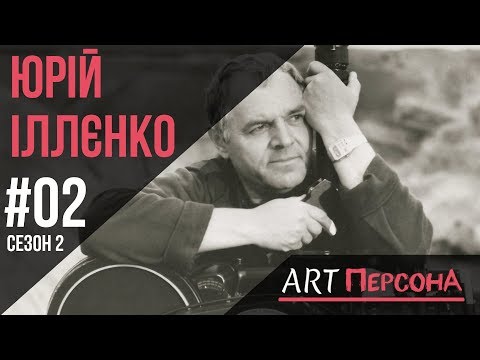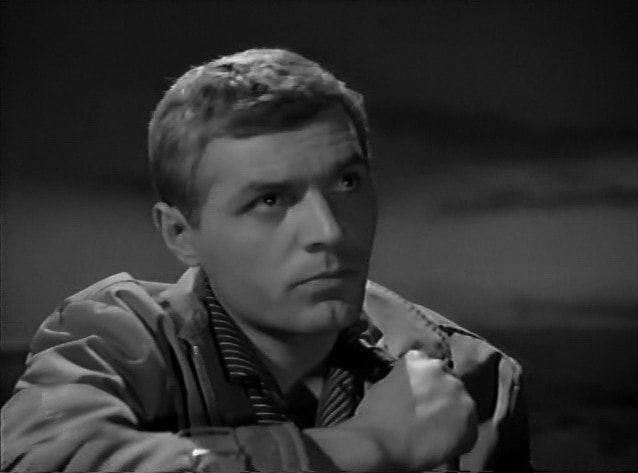
- Діяльність: Культура
- Дата народження: 9 травня 1936 р.
- Дата смерті: 15 червня 2010 р.
- Навігатор: Повоєнний СРСР
Український кінорежисер, оператор і сценарист, що працював у течії українського поетичного кіно.
Перші роки життя Юрія Іллєнка минули в Україні, однак у 1941 році сім’я евакуювалася до Сибіру; там від виснаження помер його молодший брат. 1944 року Іллєнки повернулися додому, та вже за два роки виїхали до Москви, куди батько влаштувався на виробництво скловати, щоб забезпечувати родину.
У Москві Іллєнко закінчив школу і слідом за старшим братом Вадимом вступив у Всесоюзний державний інститут кінематографії. Його дипломною роботою стала стрічка «Прощавайте, голуби» (1960), відзначена на кінофестивалях у Празі й Локарно. 1963 року Київська кіностудія імені Довженка запросила Іллєнка бути оператором фільму Сергія Параджанова «Тіні забутих предків», що став одним із символів відродження української національної ідеї та сьогодні посідає чільне місце у списку ста найкращих фільмів в історії українського кіно.
Дебют Іллєнка як режисера відбувся у 1965 році: він поставив стрічку «Криниця для спраглих» за сценарієм Івана Драча — про вимирання українського села. Одразу після виходу її заборонили з вердиктом: «Недосвідченість режисера Юрія Іллєнка призвела до того, що у фільмі “Криниця для спраглих” було допущено ідейні збочення, внаслідок чого фільм не було випущено на екран, а витрати в сумі 268,0 тис. крб. списано на збитки». Стрічка побачила світ лише 22 роки по тому.
Та сама доля спіткала й наступний фільм Іллєнка «Вечір на Івана Купала» (1968) — його зняли з показів наказом голови Комітету із кінематографії при Раді міністрів СРСР Олексія Романова. Дирекція кінофестивалю у Венеції запрошувала Іллєнка взяти участь у конкурсній програмі з цим фільмом, однак Романов стверджував, нібито такої стрічки взагалі не існує.
Третій фільм Іллєнка «Білий птах з чорною ознакою» (1970) теж потрапив під заборону як «найбільш шкідливий фільм, що колись було зроблено в Україні, особливо шкідливий для молоді» — причиною стало, зокрема, виведення у головній ролі вояка УПА. Згодом його могли побачити глядачі в Токіо, Монреалі, Нью-Йорку, Парижі, Тегерані, однак не в Україні. Після цієї заборони Іллєнко на два роки виїхав у Югославію, де створив стрічку «Жівіо заінат» («Живу всупереч всьому») — не допущену до показів в Україні, проте відзначену нагородою кінофестивалю в Пулі.
Після повернення Іллєнко зняв фільм «Мріяти і жити» (1974), виробництво якого на різних стадіях зупиняли 42 рази. Це коштувало режисерові інфаркту; натомість перший секретар ЦК КПУ Володимир Щербицький з гордістю заявив на XXV з’їзді партії, що «з так званим поетичним кіно України нарешті покінчено».
Майже всі проєкти Іллєнка були заборонені на стадії сценарію — лише сім із 42 стали фільмами. Після розпаду Радянського союзу режисер створив незалежну кіностудію, де зняв фільм за тюремними оповіданнями Параджанова «Лебедине озеро. Зона» (1990), відзначений призами Каннського кінофестивалю. В український прокат фільм не вийшов; згодом права на нього придбала російська компанія ОРТ і довічно «поклала на полицю».
Протягом десяти років Іллєнко не мав роботи в кіно. У 2001 році він створив стрічку «Молитва за гетьмана Мазепу», заборонену до показу в Росії. Через деякий час фільм в Україні теж зняли з кінотеатрів, не показували на телебаченні, не дозволили випустити на відео і навіть продати за кордон, незважаючи на щедрі пропозиції. Доведений до відчаю творчими поневіряннями, Юрій Іллєнко зробив публічну заяву: «Я йду з кіно, бо з цією бандитською владою не хочу мати справи».
2010 року 74-річний режисер помер у рідному селі на Черкащині і був похований на місцевому цвинтарі.
Автор: Ольга Герасименко
Короткі висновки
- Культурний діяч та реформатор — став відомим, як один із засновників українського поетичного кіно.
- Громадський діяч — виступав за українську ідентичність та незалежність у своїх роботах.
- Творчий доробок — зняв низку знакових фільмів, які стали класикою українського кінематографа. Найвідоміші з них: «Криниця для спраглих» (1965), «Вечір на Івана Купала» (1968), «Білий птах з чорною ознакою» (1970), «Молитва за гетьмана Мазепу» (2002).
- Спадщина — заснував унікальний стиль українського кіно, що відзначався глибоким символізмом, метафоричністю та особливою візуальною мовою.
Редакція «Порталу»
Yuriy Illienko
Activity: Culture
Date of birth: May 9, 1936
Date of death: June 15, 2010
Navigator: Post-war USSR
Ukrainian film director, cinematographer, and screenwriter who worked within the movement of Ukrainian poetic cinema.
The first years of Yuriy Illienko’s life were spent in Ukraine, but in 1941 the family evacuated to Siberia; there, his younger brother died of exhaustion. In 1944, the Illienkos returned home, but already two years later they left for Moscow, where his father got a job in fiberglass production to support the family.
In Moscow, Illienko graduated from school and, following his older brother Vadym, entered the All-Union State Institute of Cinematography. His graduation work was the film “Goodbye, Doves” (1960), which was recognized at film festivals in Prague and Locarno. In 1963, the Kyiv Dovzhenko Film Studio invited Illienko to be the cinematographer for Sergei Parajanov’s film “Shadows of Forgotten Ancestors,” which became one of the symbols of the revival of the Ukrainian national idea and today occupies a leading place in the list of the one hundred best films in the history of Ukrainian cinema.
Illienko’s debut as a director took place in 1965: he directed the film “A Well for the Thirsty” based on a screenplay by Ivan Drach — about the dying out of the Ukrainian village. Immediately after its release, it was banned with the verdict: “The inexperience of director Yuriy Illienko led to the fact that ideological distortions were allowed in the film ‘A Well for the Thirsty,’ as a result of which the film was not released on screen, and expenses in the amount of 268.0 thousand rubles were written off as losses.” The film saw the light of day only 22 years later.
The same fate befell Illienko’s next film, “The Eve of Ivan Kupala” (1968) — it was removed from screenings by order of the Chairman of the Committee for Cinematography under the Council of Ministers of the USSR, Alexei Romanov. The management of the Venice Film Festival invited Illienko to participate in the competition program with this film, but Romanov claimed that such a film did not exist at all.
Illienko’s third film, “White Bird with a Black Mark” (1970), also fell under a ban as “the most harmful film ever made in Ukraine, especially harmful to youth” — the reason was, in particular, the portrayal of a UPA warrior in the main role. Later, audiences in Tokyo, Montreal, New York, Paris, and Tehran could see it, but not in Ukraine. After this ban, Illienko left for Yugoslavia for two years, where he created the film “Živio zaat” (“I Live in Spite of Everything”) — which was not allowed for screenings in Ukraine, but was honored with an award at the Pula Film Festival.
After his return, Illienko shot the film “To Dream and to Live” (1974), the production of which was stopped 42 times at various stages. This cost the director a heart attack; on the other hand, the First Secretary of the Central Committee of the Communist Party of Ukraine, Volodymyr Shcherbytskyi, proudly declared at the XXV Congress of the party that “the so-called poetic cinema of Ukraine is finally finished with.”
Almost all of Illienko’s projects were banned at the screenplay stage — only seven out of 42 became films. After the collapse of the Soviet Union, the director created an independent film studio, where he shot a film based on Parajanov’s prison stories, “Swan Lake. The Zone” (1990), which was honored with awards at the Cannes Film Festival. The film was not released into Ukrainian distribution; later, the rights to it were purchased by the Russian company ORT and permanently “put on the shelf.”
For ten years, Illienko had no work in cinema. In 2001, he created the film “A Prayer for Hetman Mazepa,” which was banned from screening in Russia. After some time, the film was also removed from theaters in Ukraine, was not shown on television, was not allowed to be released on video, or even sold abroad, despite generous offers. Driven to despair by creative hardships, Yuriy Illienko made a public statement: “I am leaving cinema, because I do not want to have anything to do with this bandit government.”
In 2010, the 74-year-old director died in his native village in the Cherkasy region and was buried in the local cemetery.
Author: Olha Herasymenko
Brief Conclusions
Cultural figure and reformer — became famous as one of the founders of Ukrainian poetic cinema.
Public figure — advocated for Ukrainian identity and independence in his works.
Creative work — directed a number of iconic films that became classics of Ukrainian cinematography. The most famous of them: “A Well for the Thirsty” (1965), “The Eve of Ivan Kupala” (1968), “White Bird with a Black Mark” (1970), “A Prayer for Hetman Mazepa” (2002).
Legacy — founded a unique style of Ukrainian cinema, characterized by deep symbolism, metaphor, and a special visual language.
Portal Editorial Team
Пов’язані матеріали

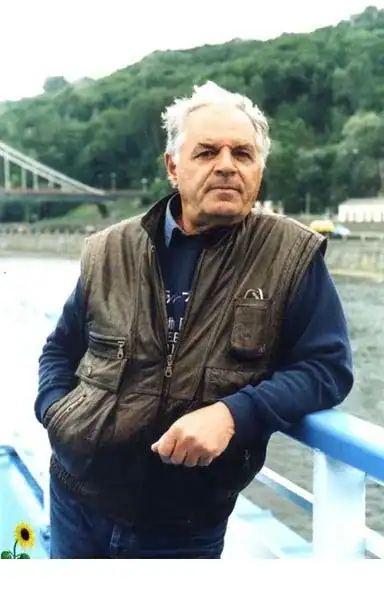
Юрій Іллєнко
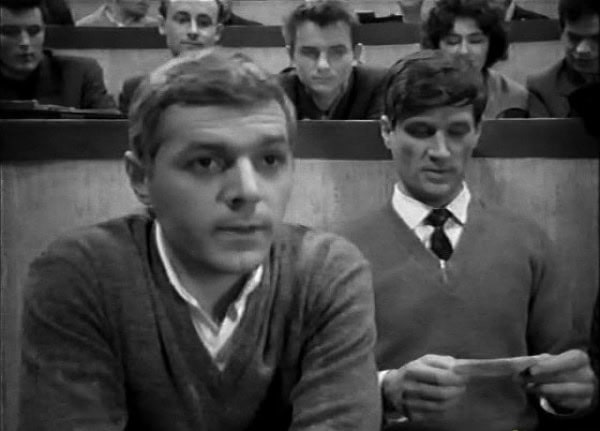
Група молодих людей на освітній або історичній події, зосереджені на обговоренні.
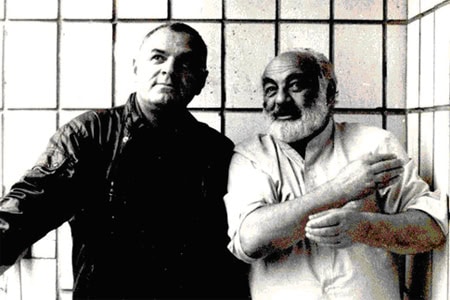
Два чоловіки на фоні сітки, один у чорній куртці, інший у білої сорочці, посміхаються.
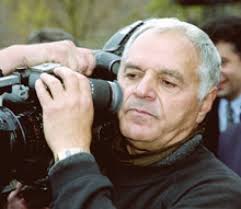
Юрій Іллєнко під час зйомок для історико-просвітнього проекту Портал.
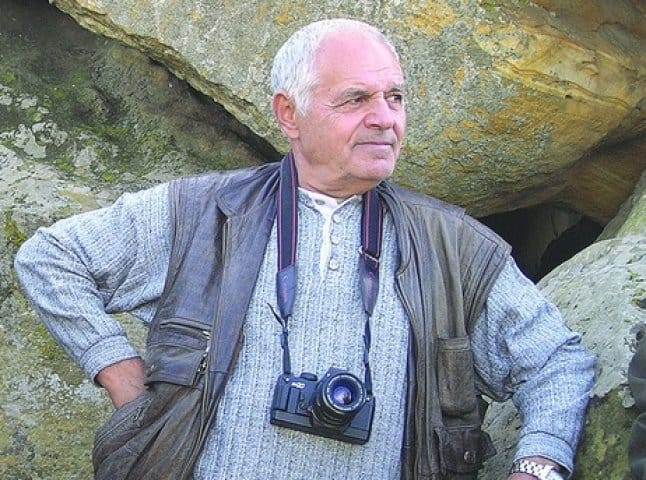
Юрій Іллєнко на природі з камерою, зосереджений у фотоподорожі.
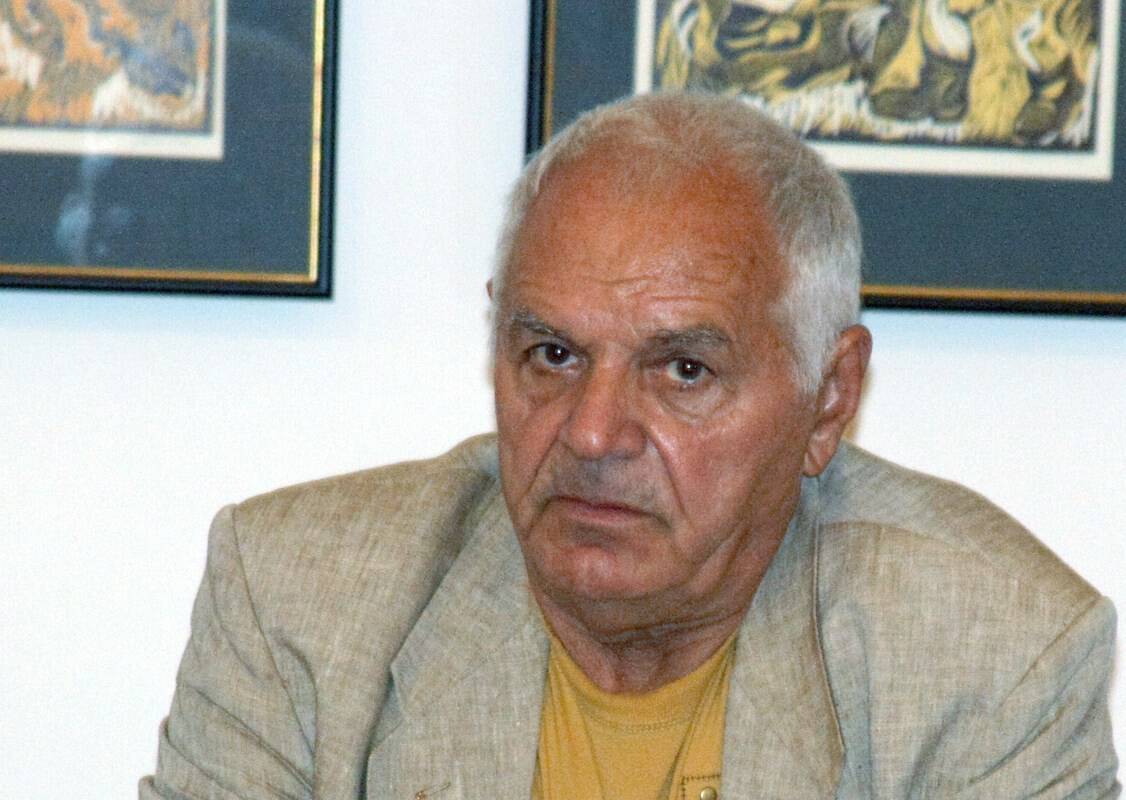
Юрій Іллєнко — відомий український режисер і громадський діяч, учасник історико-просвітнього проекту Портал.
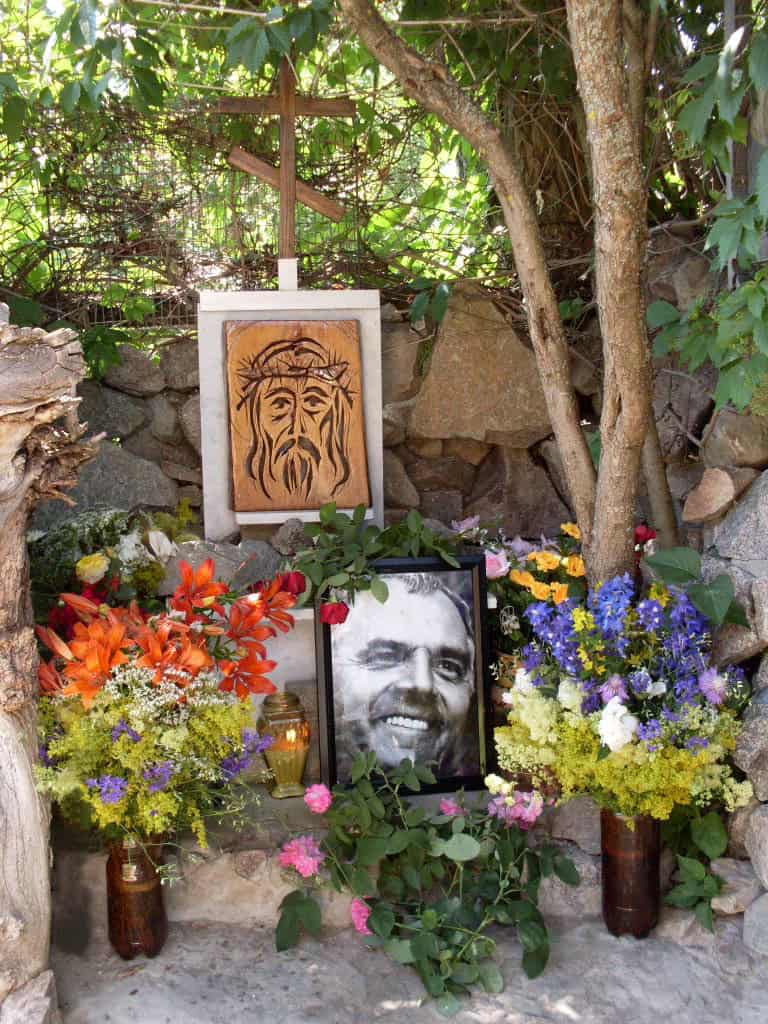
Меморіальний куточок Юрія Іллєнка з фотографією та іконкою у природному середовищі.
Відео