

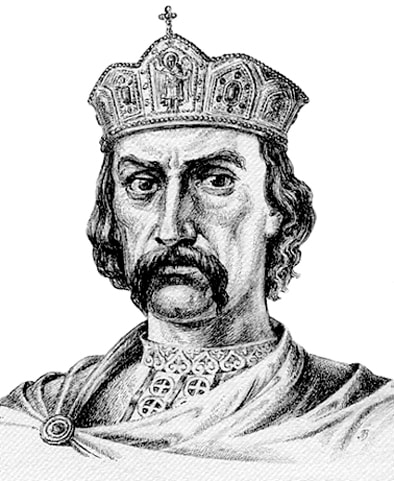
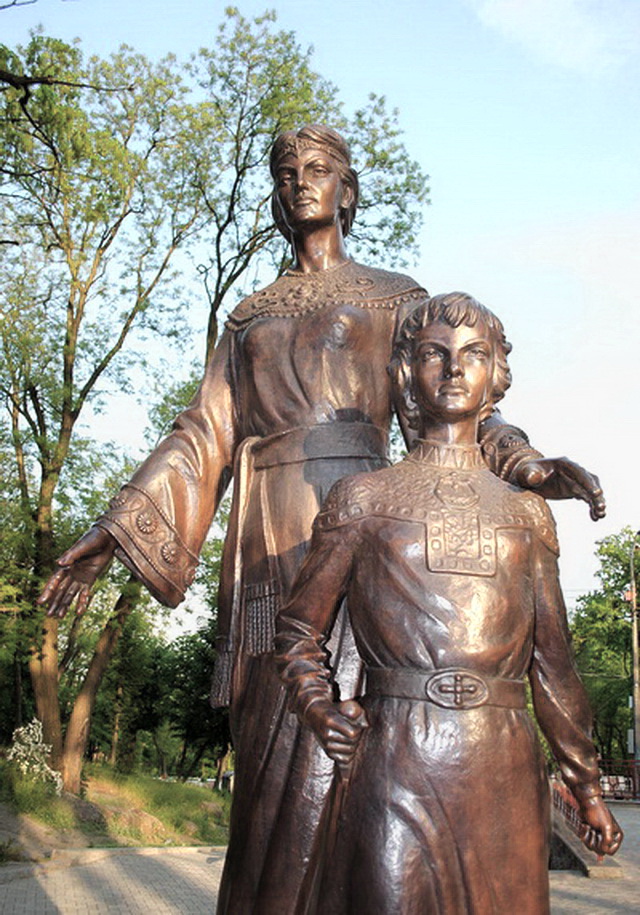
- Діяльність: Державна політика, Культура, Релігія
- Дата народження: друга половина Х століття
- Дата смерті: 15 липня 1015 року
- Навігатор: Русь
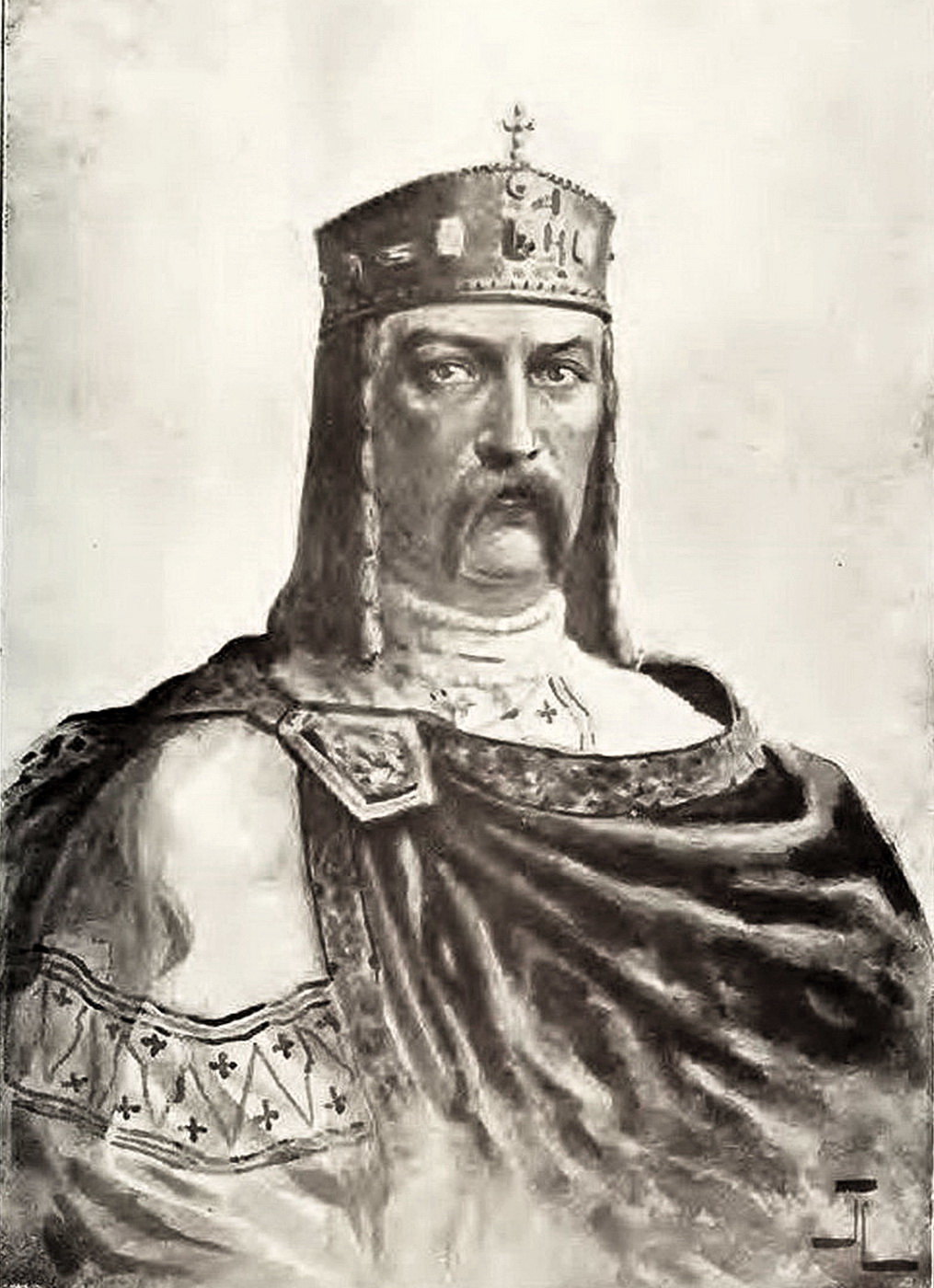
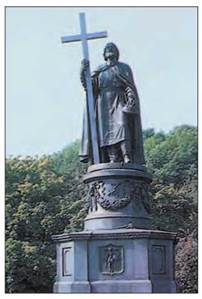
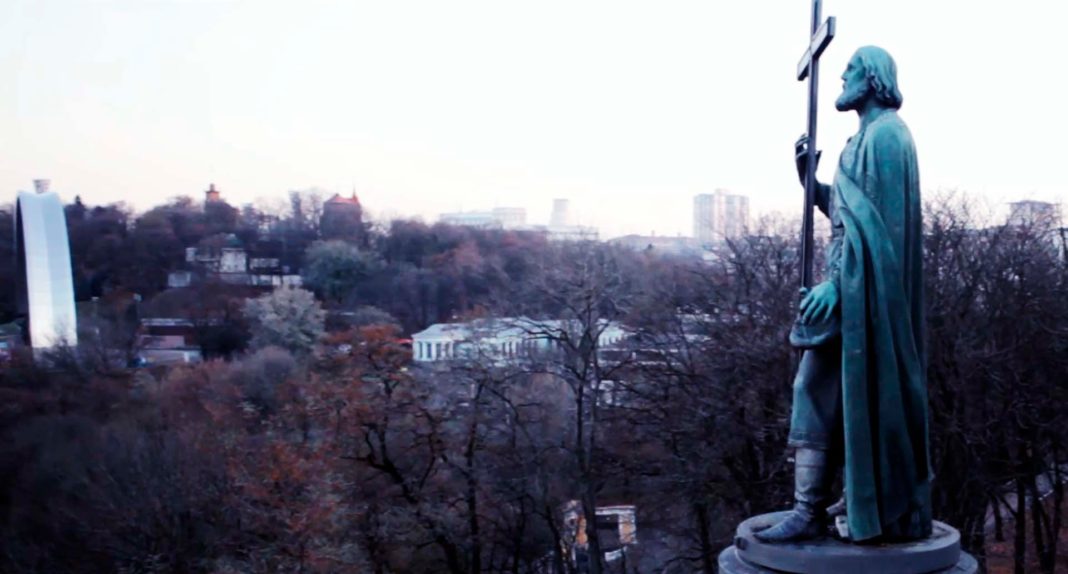
Великий князь київський, князь новгородський. Хреститель Русі.
Засновник і перший володар києворуської держави. Запровадив християнство як офіційну релігію у своїх володіннях.
Син вождя русів Святослава, наприкінці 960-х років Володимир посів престол у Новгороді — північному форпості київських русів. Не пізніше кінця 980-х за допомогою норманського війська переміг і вбив інших найпомітніших руських вождів Східної Європи, зокрема свого брата Ярополка, й опанував Київ.
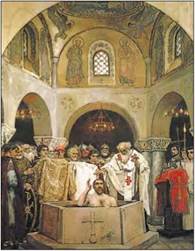
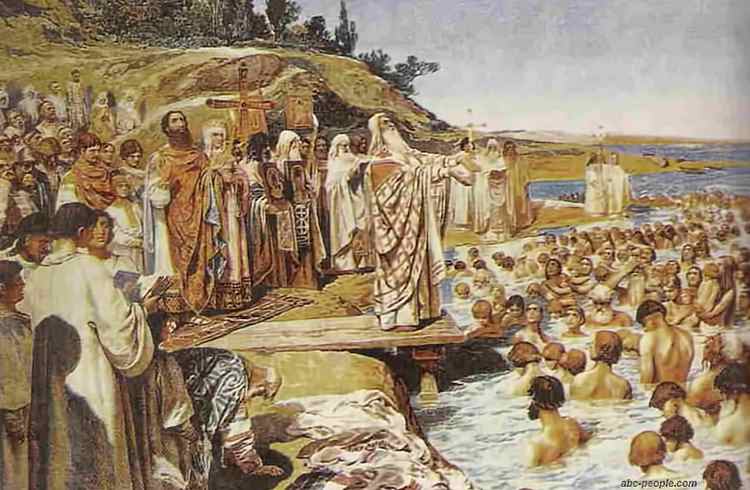
Близько 988 року захопив візантійське місто Херсон у Криму. Завдяки цій перемозі у критичний для Візантійської імперії момент Володимир міг вести переговори з позиції сильного. У результаті успішної угоди з імператорами взяв шлюб із царівною Анною, хрестився під ім’ям Василь та повернувся до Києва. Найвірогідніше, улітку 989 року відбулося хрещення киян, що дало старт християнізації населення усіх володінь києворуського правлячого дому.
Від 989 року Володимир розпочав розбудову державного осередку на Середньому Дніпрі із центром у Києві, що отримав назву Руська Земля. Відтоді Київ перетворюється на місто, в ньому з’являються муровані палаци й церква. Довкола виникають інші міста й фортеці. Через своїх численних синів Володимир бере під контроль ключові пункти на водних шляхах Східної Європи.
Правителю вдалося опанувати слов’янське населення теренів сучасної України і розпочати підкорення Руссю решти східних слов’ян і неслов’янських народів цього регіону. Він успішно воював зі степовиками-печенігами. «Християнська революція» Володимира заклала підвалини нової культури через появу церковної організації, писемності й літератури, нової якості ремесла.
Наприкінці життя мав конфлікти зі старшими синами: Святополком і Ярославом. Помер 15 липня 1015 року.
Автор: Вадим Арістов
Короткі висновки
- Державний діяч і реформатор — зайняв одне з центральних місць в історії української державності: першим вивів Русь на рівень розвинених європейських країн та розширив її межі шляхом приєднання нових земель.
- Законодавець — ліквідував владу місцевих племінних князів та розподілив її між синами, що стало першим кроком до централізації держави.
- Будівничий і меценат — заснував місто Володимир, побудував перші школи, звів Десятинну церкву – першу кам’яну церкву на Русі.
- Церковна політика — запровадив християнство як державну релігію, канонізований католицькою та православною церквами як рівноапостольний святий.
- Спадщина – зробив вагомий внесок у формування української державності. Започаткував карбування власної монети, отримавши цим самим міжнародний престиж держави та особистий знак – тризуб, що згодом став державним гербом України.
Редакція «Порталу»
Volodymyr
Activity: State policy, Culture, Religion
Date of Birth: Second half of the 10th century
Date of Death: July 15, 1015
Navigator: Rus’
Grand Prince of Kyiv, Prince of Novgorod. Baptizer of Rus’.
Founder and first ruler of the Kyivan Rus’ state. He introduced Christianity as the official religion in his domains.
The son of the Rus’ leader Sviatoslav, in the late 960s Volodymyr took the throne in Novgorod — the northern stronghold of the Kyivan Rus’. No later than the late 980s, with the support of a Varangian (Norse) army, he defeated and killed the most prominent Rus’ rulers of Eastern Europe, including his brother Yaropolk, and seized control of Kyiv.
Around 988, he captured the Byzantine city of Cherson (Chersonesus) in Crimea. Thanks to this victory, at a critical moment for the Byzantine Empire, Volodymyr was able to negotiate from a position of strength. As a result of a successful agreement with the emperors, he married Princess Anna, was baptized under the name Basil, and returned to Kyiv. Most likely, in the summer of 989, the baptism of the people of Kyiv took place, marking the beginning of the Christianization of all the lands under the rule of the Kyivan Rus’ dynasty.
From 989 onward, Volodymyr began developing a state center along the Middle Dnipro River with its capital in Kyiv, known as the Rus’ Land. From that time, Kyiv was transformed into a true city, with stone palaces and churches being constructed. Other cities and fortresses arose around it. Through his numerous sons, Volodymyr established control over key points along the waterways of Eastern Europe.
The ruler succeeded in consolidating control over the Slavic population of the territories of present-day Ukraine and began the expansion of Rus’ authority over other Eastern Slavic and non-Slavic peoples of the region. He waged successful wars against the steppe nomads, the Pechenegs. Volodymyr’s “Christian revolution” laid the foundations for a new culture through the establishment of church organization, the development of literacy and literature, and advancements in craftsmanship.
Toward the end of his life, he faced conflicts with his elder sons, Sviatopolk and Yaroslav. He died on July 15, 1015.
Author: Vadym Aristov
Brief Conclusions
Statesman and reformer — occupies one of the central places in the history of Ukrainian statehood: he was the first to elevate Rus’ to the level of developed European states and expanded its borders by incorporating new lands.
Lawgiver — eliminated the authority of local tribal princes and redistributed power among his sons, taking the first steps toward state centralization.
Builder and patron — founded the city of Volodymyr, established the first schools, and built the Church of the Tithes — the first stone church in Rus’.
Church policy — introduced Christianity as the state religion; canonized by both the Catholic and Orthodox Churches as an Equal-to-the-Apostles saint.
Legacy — made a significant contribution to the formation of Ukrainian statehood. He initiated the minting of his own coinage, thereby enhancing the international prestige of the state, and adopted the trident as his personal symbol — later to become the national coat of arms of Ukraine.
Portal Editorial Team
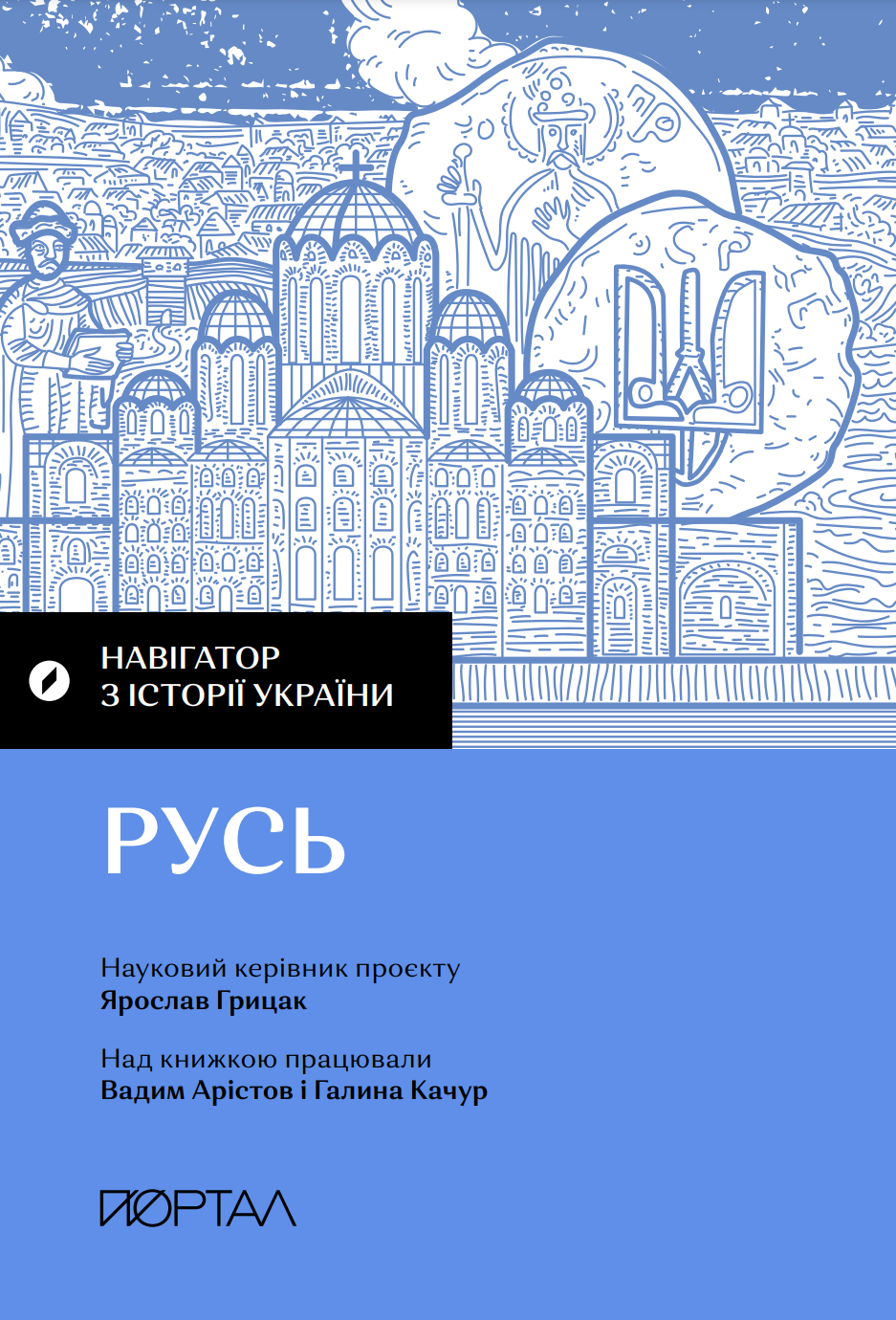
Пов’язані матеріали

Відео
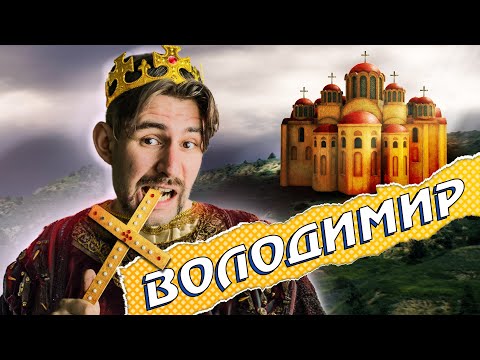
Знайомство з Володимиром Великим. Когось назвали Мудрим за мудрість, когось Хоробрим за хоробрість, когось Лисим за… самі розумієте. Але що треба зробити аби тебе назвали Великим? Дізнаємося разом із проєктом Dream School.